Best for contrast
Dell Alienware AW2725DF
5.0 attribute score
Highest scored product for this attribute based on supporting review evidence.

Highest scored product for this attribute based on supporting review evidence.
Balances the attribute score, supporting reviews, and overall product strength.
Has the broadest review evidence for this attribute.
Strongest overall product among items with scored evidence for this attribute.
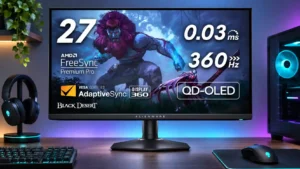
Overall: 4.2/5
Pixel-level OLED control creates striking contrast and clean bright-on-black detail in dark environments, although direct light lessens the perceived advantage.
Pros: competitive gaming suitability, color gamut
Cons: brightness, HDMI 2.1 support
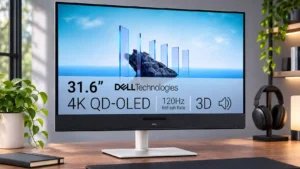
Overall: 4.2/5
Pixel-level OLED control delivers exceptional depth between bright highlights and true blacks, especially noticeable in dim scenes and games.
Pros: overall picture quality, overall satisfaction
Cons: port selection, brightness
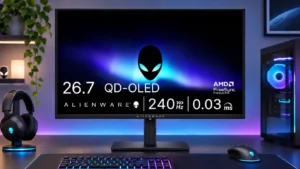
Overall: 3.8/5
OLED’s individually lit pixels produce impressive contrast and separation between bright objects and dark backgrounds.
Pros: value for money, panel type
Cons: brightness, port selection
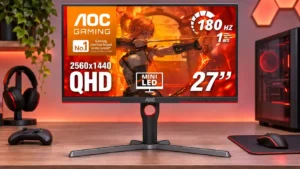
Overall: 3.9/5
High native VA contrast pairs with effective local dimming for much greater separation between bright highlights and dark backgrounds than typical budget IPS displays.
Pros: value for money, HDR performance
Cons: on-screen display usability, port selection
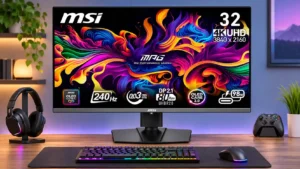
Overall: 4.0/5
Per-pixel lighting gives exceptionally deep contrast and makes bright colors stand out against dark surroundings.
Pros: overall satisfaction, DisplayPort connectivity
Cons: value for money, reliability over time
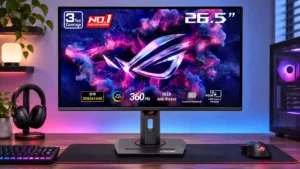
Overall: 4.4/5
Pixel-level light control delivers exceptionally strong dark-scene contrast and convincing image depth without LCD-style backlight halos.
Pros: color gamut, overall satisfaction
Cons: reflection handling, VRR flicker
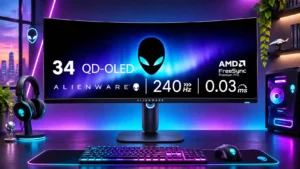
Overall: 4.2/5
Inky blacks, precise individual-pixel control, and bright highlights give the image exceptional depth.
Pros: refresh rate, HDR performance
Cons: reflection handling, Text fringing
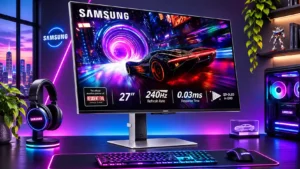
Overall: 4.2/5
Pixel-level lighting creates dramatic separation between bright highlights and truly dark areas, without LCD-style halos. Games gain a strong sense of depth.
Pros: reflection handling, color gamut
Cons: value for money, brightness
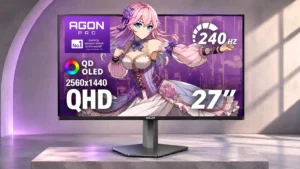
Overall: 4.0/5
Pixel-level illumination yields nearly limitless contrast and exceptional dark-scene depth, especially when viewing conditions are dim.
Pros: value for money, overall satisfaction
Cons: HDR performance, HDMI 2.1 support
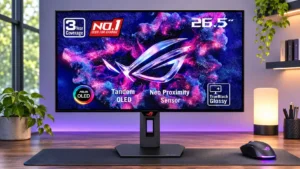
Overall: 4.4/5
Near-infinite OLED contrast gives nighttime scenes and bright objects an unusually dramatic separation.
Pros: overall satisfaction, response time
Cons: reflection handling, VRR flicker
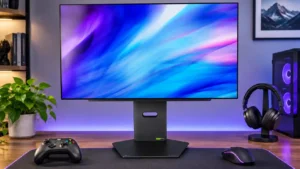
Overall: 4.0/5
Per-pixel OLED lighting gives almost bottomless contrast, especially effective when small bright objects appear in dark scenes.
Pros: refresh rate, competitive gaming suitability
Cons: value for money, brightness
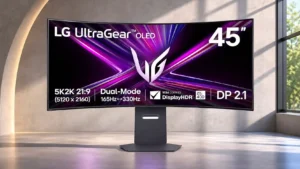
Overall: 4.1/5
Near-perfect OLED blacks yield exceptionally strong perceived contrast and depth. High-contrast gaming and HDR imagery are among its biggest strengths.
Pros: Resolution, overall satisfaction
Cons: value for money, GPU demands
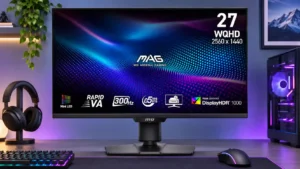
Overall: 3.9/5
Exceptionally high native VA contrast and a 1,152-zone backlight produce powerful separation between dark and bright content. The benefit is greatest with more aggressive local dimming.
Pros: HDR performance, black levels
Cons: viewing angles, response time
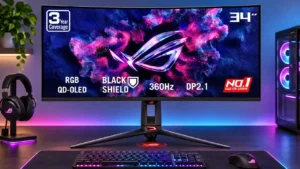
Overall: 4.5/5
Perfect-pixel OLED blacks alongside bright highlights create exceptional depth, especially in dark scenes.
Pros: color gamut, contrast
Cons: value for money, Resolution
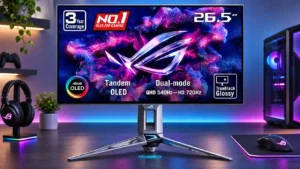
Overall: 4.3/5
Per-pixel lighting makes bright and dark objects coexist without halos, lending games a dramatic sense of depth.
Pros: black levels, motion clarity
Cons: value for money, Dual-mode versatility
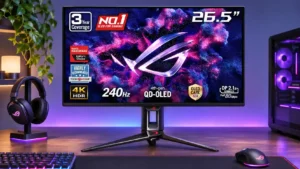
Overall: 4.4/5
Pixel-level light control produces outstanding scene depth and contrast, especially in darker rooms. Strong ambient light can diminish that striking effect.
Pros: sharpness, overall satisfaction
Cons: value for money, VRR flicker
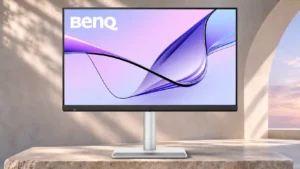
Overall: 4.4/5
Contrast is notably strong for an IPS monitor, producing convincing depth in normal lighting. Dark-room black levels still lag behind OLED and mini-LED alternatives.
Pros: port selection, color accuracy
Cons: built-in speakers, speaker quality
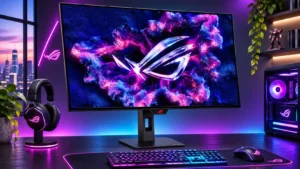
Overall: 4.2/5
Near-infinite OLED contrast gives bright objects and dark backgrounds striking separation without conventional backlight halos.
Pros: overall satisfaction, black levels
Cons: reflection handling, Color brightness
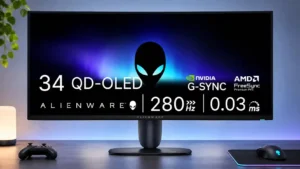
Overall: 4.4/5
Near-perfect OLED contrast lends depth to dark games and HDR scenes, especially compared with conventional LCD panels.
Pros: brightness, value for money
Cons: port selection, built-in speakers
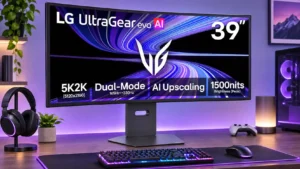
Overall: 4.1/5
Pixel-level OLED control delivers extraordinary contrast and depth, especially alongside bright effects in otherwise dark scenes.
Pros: Resolution, overall satisfaction
Cons: value for money, Image scaling
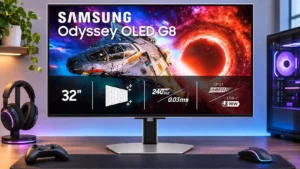
Overall: 4.1/5
Self-emissive pixels deliver striking contrast without the elevated blacks or halos typical of many backlit monitors.
Pros: PC gaming compatibility, reflection handling
Cons: color accuracy, VRR flicker
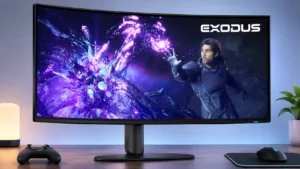
Overall: 4.3/5
The self-emissive panel creates striking separation between deep black regions and luminous details. This contrast is a recurring reason games and HDR footage look so immersive.
Pros: overall satisfaction, Text fringing
Cons: brightness, Edge dimming behavior
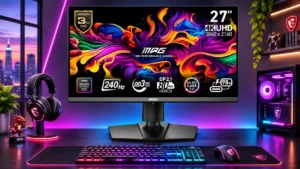
Overall: 4.2/5
Individually lit OLED pixels give dramatic dark-to-light separation without the halos of zoned LCD backlights. That signature effect looks best away from bright reflections.
Pros: HDR performance, DisplayPort connectivity
Cons: value for money, brightness
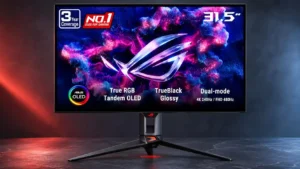
Overall: 4.3/5
Per-pixel OLED lighting creates exceptional contrast and crisp separation between dark backgrounds and bright details, even in moderately lit rooms.
Pros: black levels, sharpness
Cons: value for money, brightness
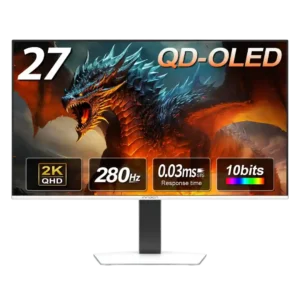
Overall: 4.3/5
Near-infinite OLED contrast gives highlights extra punch and makes games and HDR scenes look dramatically more dimensional.
Pros: color gamut, overall picture quality
Cons: brightness, HDR performance
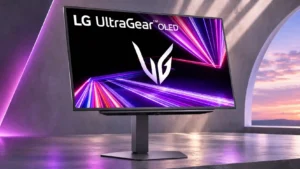
Overall: 4.1/5
Pixel-level OLED contrast creates deep shadow areas and bright highlights that stand apart, in dark rooms and under moderate ambient lighting.
Pros: overall satisfaction, value for money
Cons: reflection handling, screen uniformity
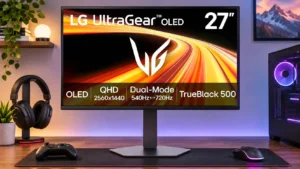
Overall: 4.1/5
Excellent OLED contrast keeps dark areas black while bright highlights pop, especially in atmospheric games.
Pros: competitive gaming suitability, refresh rate
Cons: Dual-mode versatility, GPU demands
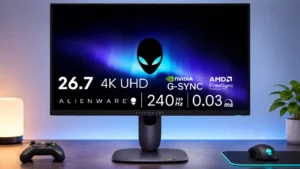
Overall: 4.3/5
Contrast was universally praised, with reviewers emphasizing OLED’s deep range and strong visual depth.
Pros: value for money, sharpness
Cons: brightness, USB hub functionality
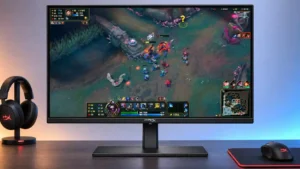
Overall: 4.1/5
Self-lit OLED pixels create striking separation between bright objects and deep shadows, especially in atmospheric games.
Pros: black levels, overall picture quality
Cons: brightness, Gaming feature selection
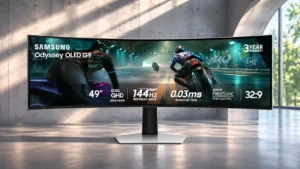
Overall: 3.7/5
Exceptionally dark blacks alongside bright colors make scenes cinematic and visually striking.
Pros: value for money, black levels
Cons: refresh rate, portability and weight
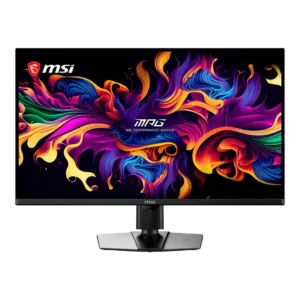
Overall: 4.4/5
Per-pixel illumination produces effectively infinite contrast with no blooming around bright objects. Reviewers consistently describe the contrast as dramatically better than LCD alternatives.
Pros: brightness, reflection handling
Cons: cable management
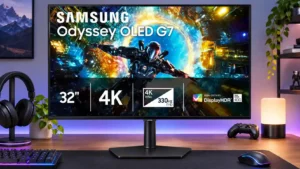
Overall: 3.8/5
OLED contrast is a standout, letting bright effects and reds pop against deep black backgrounds without distracting blooming.
Pros: overall satisfaction, contrast
Cons: value for money, port selection
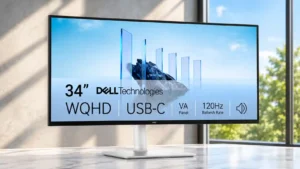
Overall: 4.2/5
Contrast is an image-quality highlight: dark blacks and relatively bright highlights coexist well for a modestly priced VA monitor.
Pros: overall satisfaction, screen size
Cons: stand adjustability, Photo editing
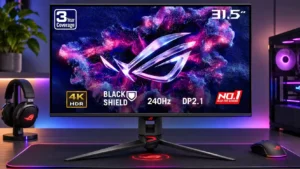
Overall: 4.2/5
Per-pixel OLED dimming gives bright highlights striking separation from deep dark scenes with essentially no blooming. Contrast is most impressive when ambient light is controlled.
Pros: overall satisfaction, black levels
Cons: value for money, stand adjustability
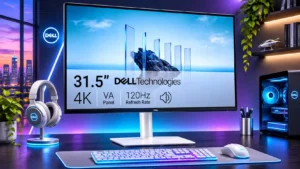
Overall: 3.7/5
The VA panel produces punchy contrast, richer dark scenes, and defined shadows for its price; IPS alternatives trade some depth for wider viewing angles.
Pros: value for money, Resolution
Cons: stand adjustability, viewing angles
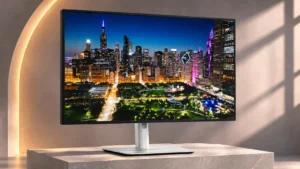
Overall: 4.2/5
Enhanced IPS Black delivers exceptionally strong LCD contrast with visibly richer dark areas, but it cannot achieve OLED-level blacks.
Pros: port selection, overall satisfaction
Cons: value for money, competitive gaming suitability
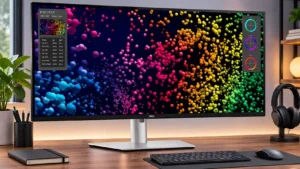
Overall: 4.4/5
IPS Black gives the image more depth than typical IPS displays and helps still images and SDR content, without matching OLED's near-black performance.
Pros: overall picture quality, color accuracy
Cons: value for money, built-in speakers
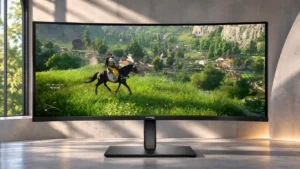
Overall: 4.4/5
OLED contrast earns emphatic praise in previews and demonstrations. Strong ambient lighting is the more important caveat for real-world black levels.
Pros: refresh rate, color accuracy
Cons: console gaming compatibility, DisplayPort connectivity
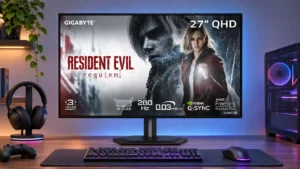
Overall: 4.0/5
Per-pixel OLED control gives dark scenes exceptional contrast and an immediate transition from black to bright highlights.
Pros: brightness, contrast
Cons: Text fringing, speaker quality
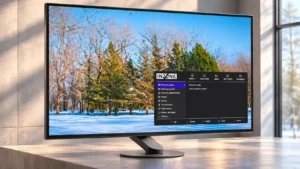
Overall: 4.2/5
Per-pixel illumination delivers outstanding contrast without LCD-style gray blacks or halos. Its dramatic separation between dark scenes and highlights brings a premium look to games.
Pros: refresh rate, overall satisfaction
Cons: value for money, port selection
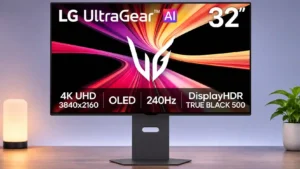
Overall: 3.9/5
Pixel-level control delivers striking contrast and clean transitions between near-black areas and brilliant highlights.
Pros: brightness, color gamut
Cons: AI scene optimization, value for money
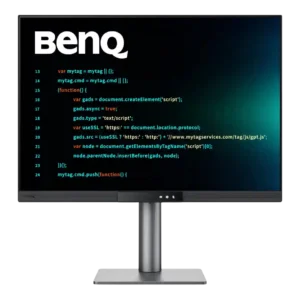
Overall: 4.4/5
The roughly 2,000:1 contrast is a clear improvement over ordinary IPS monitors and the earlier model. Text gains definition, images have more punch, and dark content looks richer.
Pros: productivity versatility, aspect ratio
Cons: value for money, competitive gaming suitability
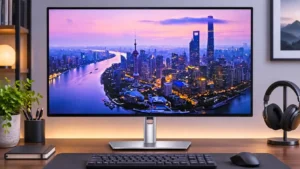
Overall: 4.2/5
Enhanced IPS Black contrast produces a welcome improvement over traditional IPS, especially for text and shadows. It still cannot provide the near-perfect blacks of OLED.
Pros: port selection, USB hub functionality
Cons: competitive gaming suitability, motion clarity
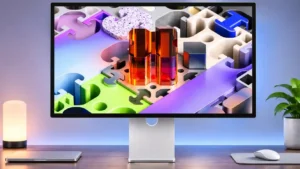
Overall: 4.2/5
Deep mini-LED blacks alongside powerful highlights deliver striking contrast; OLED remains stronger in absolute black reproduction.
Pros: refresh rate, HDR performance
Cons: value for money, Device compatibility
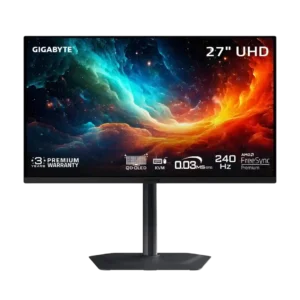
Overall: 4.1/5
Per-pixel OLED control produces excellent contrast and clean separation between bright highlights and dark backgrounds. Ambient light reduces that advantage.
Pros: motion clarity, PC gaming compatibility
Cons: color accuracy, software support
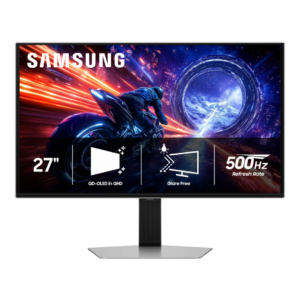
Overall: 4.3/5
OLED contrast is effectively infinite in controlled lighting, with excellent shadow separation and no blooming. The matte QD-OLED surface can reduce perceived contrast when strong ambient light raises black levels.
Pros: overall satisfaction, competitive gaming suitability
Cons: value for money, screen size
Overall: 3.8/5
IPS contrast is generally praised as strong for a portable monitor, with measured ratios around 1,160:1–1,210:1 in multiple tests.
Pros: portability and weight, overall satisfaction
Cons: port selection, Device compatibility
Overall: 4.2/5
With local dimming enabled, contrast becomes far stronger than ordinary IPS and the scene looks punchier. Disabling dimming returns it to typical IPS contrast.
Pros: HDR performance, overall satisfaction
Cons: HDR highlight detail, color accuracy
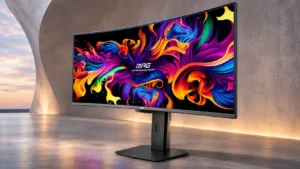
Overall: 4.4/5
OLED contrast lends exceptional depth to night scenes and bright highlights without the backlight compromises common to LCD monitors.
Pros: refresh rate, Text fringing
Cons: Resolution, GPU demands
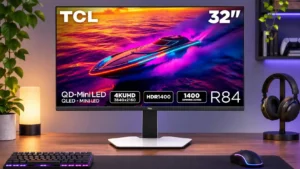
Overall: 4.2/5
Deep native VA contrast and well-controlled Mini LED zones produce striking depth, although OLED still owns the darkest pixel-level scenes.
Pros: brightness, HDR performance
Cons: speaker quality, built-in speakers