Best for color gamut
InnoCN GA27S1Q
5.0 attribute score
Highest scored product for this attribute based on supporting review evidence.

Highest scored product for this attribute based on supporting review evidence.
Balances the attribute score, supporting reviews, and overall product strength.
Has the broadest review evidence for this attribute.
Strongest overall product among items with scored evidence for this attribute.
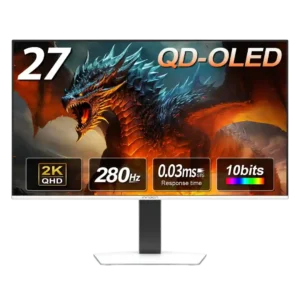
Color coverage is consistently excellent, with vibrant reds and greens and measured gamut results that meet or beat the advertised claims.
Pros: color gamut, overall picture quality
Cons: brightness, HDR performance
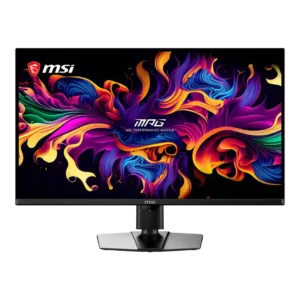
QD-OLED delivers near-complete DCI-P3 coverage and strong HDR color volume. The wide gamut is excellent for games, movies, and some creative work, especially when the correct color-space mode is selected.
Pros: brightness, reflection handling
Cons: cable management
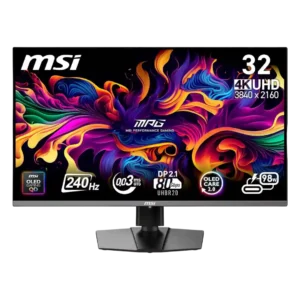
The QD-OLED panel covers a very wide range of color, with strong sRGB, DCI-P3, and HDR coverage. Reviewers consistently described colors as rich, vivid, and well saturated.
Pros: color accuracy, value for money
Cons: reliability over time, brightness
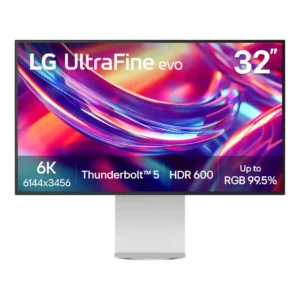
Wide-gamut coverage is excellent, with repeated measurements around the high 90s for DCI-P3 and very strong Adobe RGB coverage. Reviewers consistently praise the vivid, professional-grade color range.
Pros: port selection, overall satisfaction
Cons: value for money, cable management
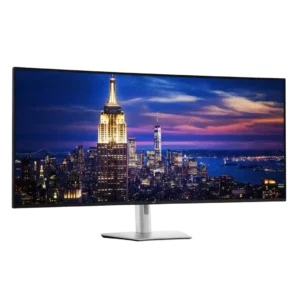
The display covers essentially all sRGB and nearly all DCI-P3, producing vivid color suitable for editing, design, and mixed professional use. Adobe RGB coverage is broad but not class-leading for...
Pros: productivity versatility, overall satisfaction
Cons: value for money, response time
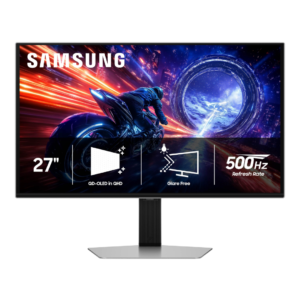
QD-OLED delivers a very wide gamut with strong DCI-P3 and Adobe RGB coverage, giving games and creative work rich, saturated color. Out-of-box saturation can run hot until sRGB or color...
Pros: overall satisfaction, competitive gaming suitability
Cons: value for money, screen size
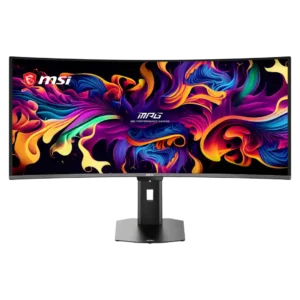
QD-OLED color coverage is exceptionally wide, reaching nearly all of DCI-P3 and strong Adobe RGB coverage for vivid games and capable creative work.
Pros: overall satisfaction, sharpness
Cons: Resolution, cable management
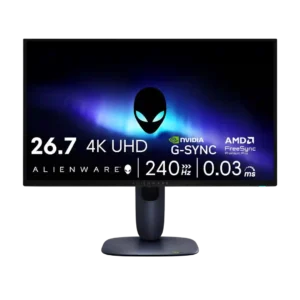
Color gamut and saturation were repeatedly praised, especially for gaming, HDR, and vivid media.
Pros: value for money, sharpness
Cons: brightness, USB hub functionality
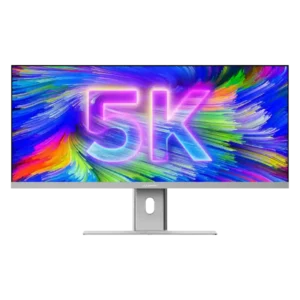
Coverage of sRGB and DCI-P3 is a major strength, while Adobe RGB lands in the high-80s to mid-90s depending on the test. That is ample for video and general creative...
Pros: productivity versatility, aspect ratio
Cons: built-in speakers, competitive gaming suitability
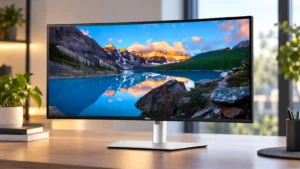
Color gamut is consistently strong, with broad sRGB coverage and roughly mid-90% DCI-P3 results in several tests. Coverage is good for productivity and light creative work, though it can fall...
Pros: overall satisfaction, productivity versatility
Cons: value for money, reliability over time
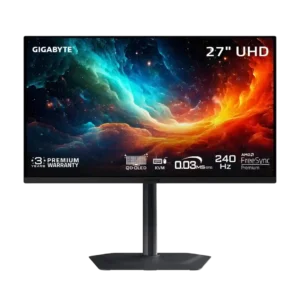
The QD-OLED panel covers a wide range of DCI-P3 and Adobe RGB colors. Coverage is strong, though one test measured slightly less than expected.
Pros: motion clarity, PC gaming compatibility
Cons: color accuracy, software support
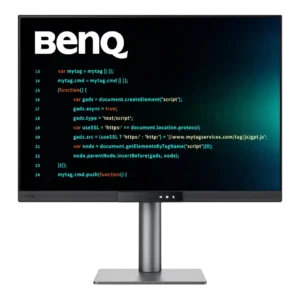
Color is vivid enough for general work, yet measured DCI-P3 coverage repeatedly fell below BenQ’s claim and below stronger rivals. Photos and videos can look less saturated than on wider-gamut...
Pros: productivity versatility, aspect ratio
Cons: value for money, competitive gaming suitability
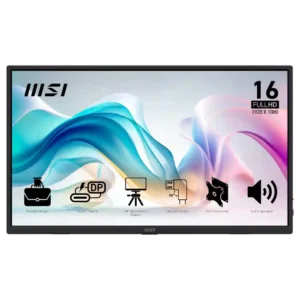
Color gamut is the most consistent picture-quality compromise. Reviewers repeatedly describe muted or limited color, even though a handful of owners are satisfied with everyday vibrancy.
Pros: value for money, portability and weight
Cons: built-in speakers, color gamut
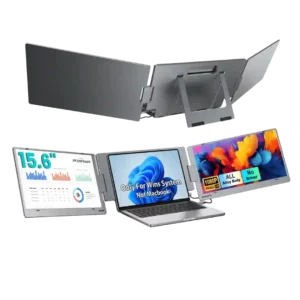
Color gamut is adequate for normal office work but limited for demanding creative use. Expert testing and commentary both point to coverage that falls short of professional photo or video...
Pros: overall satisfaction, portability and weight
Cons: reliability over time