Best for brightness
LG UltraFine 6K Evo 32U990A
4.9 attribute score
Highest scored product for this attribute based on supporting review evidence.

Highest scored product for this attribute based on supporting review evidence.
Balances the attribute score, supporting reviews, and overall product strength.
Has the broadest review evidence for this attribute.
Strongest overall product among items with scored evidence for this attribute.
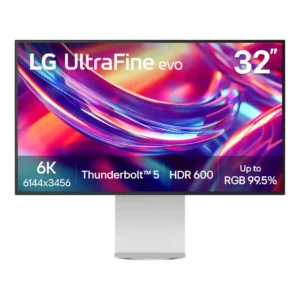
Brightness is consistently excellent, with measured SDR and HDR output strong enough for bright rooms. Even the harshest reviewer considered brightness one of the monitor's best traits.
Pros: port selection, overall satisfaction
Cons: value for money, cable management
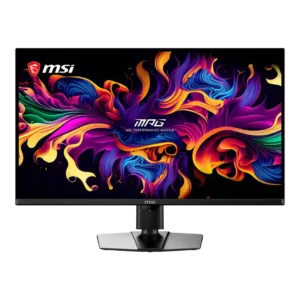
Full-screen SDR brightness is now strong enough for normal office and gaming use, and dynamic mode can push smaller highlights higher. HDR remains bright for a monitor, though it still...
Pros: brightness, reflection handling
Cons: cable management
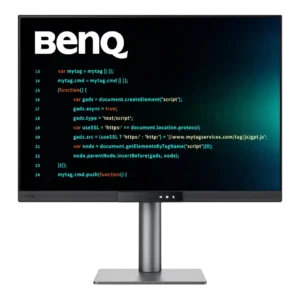
Brightness is sufficient for normal indoor work and can be driven high when needed. More importantly, it dims very low while preserving clarity, and the ambient sensor can adjust it...
Pros: productivity versatility, aspect ratio
Cons: value for money, competitive gaming suitability
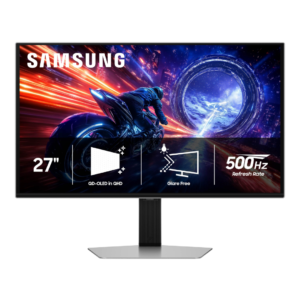
Brightness is notably stronger than earlier QD-OLED generations, with roughly 300-nit full-screen SDR and high HDR peaks. It still trails the brightest LCD and newer tandem OLED options in some...
Pros: overall satisfaction, competitive gaming suitability
Cons: value for money, screen size
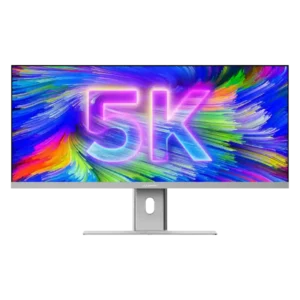
SDR brightness is comfortably strong for office and studio use, with one test reaching 417 nits. It trails brighter Apple displays and does not translate into convincing HDR performance.
Pros: productivity versatility, aspect ratio
Cons: built-in speakers, competitive gaming suitability
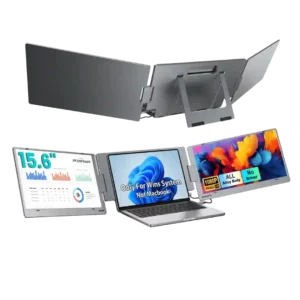
Brightness is usually considered sufficient indoors and several customers call the screens bright, but outdoor performance is less convincing. One reviewer specifically found the display too dull for daylight use.
Pros: overall satisfaction, portability and weight
Cons: reliability over time
Brightness is generally sufficient for office use and even bright rooms, though measurements from some testers are modest compared with premium rivals. A few owners actually find the display brighter...
Pros: overall satisfaction, productivity versatility
Cons: value for money, reliability over time
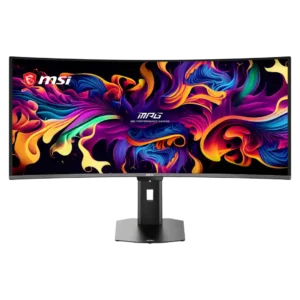
Full-screen SDR brightness around 300 nits is a useful improvement and adequate for most indoor rooms. Bright scenes still look dimmer than top LCD or newer high-brightness OLED alternatives.
Pros: overall satisfaction, sharpness
Cons: Resolution, cable management
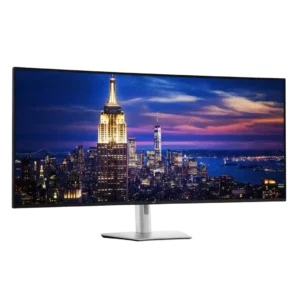
Brightness is comfortable for most offices and home studios, generally landing in the mid-300-nit range. It can struggle in very bright rooms, and the automatic adjustment may feel too aggressive.
Pros: productivity versatility, overall satisfaction
Cons: value for money, response time
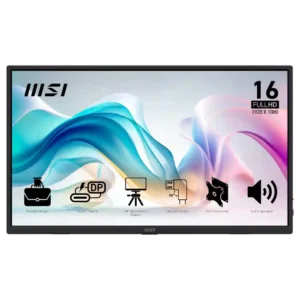
Brightness is usually adequate to good for indoor portable use, with several owners praising it, though some reviewers find it mediocre or too dim for demanding lighting.
Pros: value for money, portability and weight
Cons: built-in speakers, color gamut
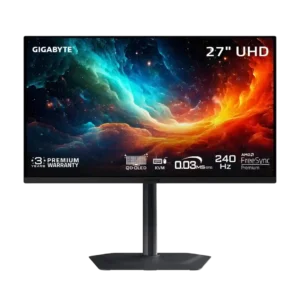
Small HDR highlights can reach roughly 1,000 nits, but sustained bright scenes and full-screen images are much dimmer. The monitor performs best in a controlled room.
Pros: motion clarity, PC gaming compatibility
Cons: color accuracy, software support
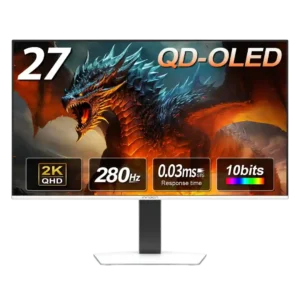
Brightness is adequate in controlled lighting but trails brighter IPS, Mini-LED, and premium OLED rivals. Highlight mode helps, yet sunlit rooms remain a weak fit.
Pros: color gamut, overall picture quality
Cons: brightness, HDR performance
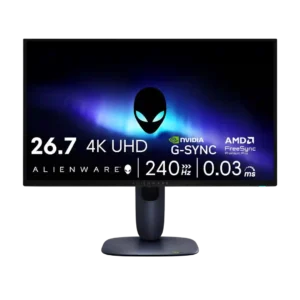
Brightness was the most mixed display trait: some reviewers found HDR or perceived brightness strong, but SDR and bright-room use were repeated concerns.
Pros: value for money, sharpness
Cons: brightness, USB hub functionality
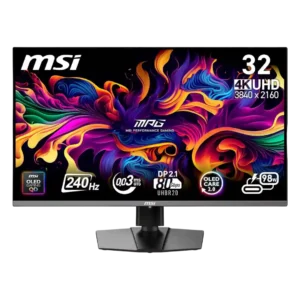
Brightness is the clearest image-quality compromise. Small HDR highlights can look brilliant, but full-screen and bright-scene output trails Mini-LED and IPS alternatives, especially in daylight.
Pros: color accuracy, value for money
Cons: reliability over time, brightness