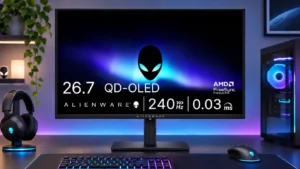
OLED’s individually lit pixels produce impressive contrast and separation between bright objects and dark backgrounds.
Pros: value for money, panel type
Cons: brightness, port selection

OLED’s individually lit pixels produce impressive contrast and separation between bright objects and dark backgrounds.
Pros: value for money, panel type
Cons: brightness, port selection
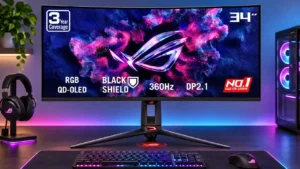
Perfect-pixel OLED blacks alongside bright highlights create exceptional depth, especially in dark scenes.
Pros: color gamut, contrast
Cons: value for money, Resolution
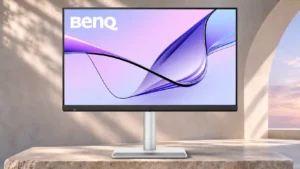
Contrast is notably strong for an IPS monitor, producing convincing depth in normal lighting. Dark-room black levels still lag behind OLED and mini-LED alternatives.
Pros: port selection, color accuracy
Cons: built-in speakers, speaker quality
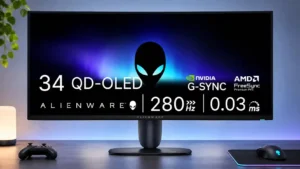
Near-perfect OLED contrast lends depth to dark games and HDR scenes, especially compared with conventional LCD panels.
Pros: brightness, value for money
Cons: port selection, built-in speakers
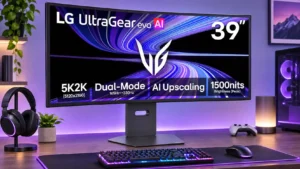
Pixel-level OLED control delivers extraordinary contrast and depth, especially alongside bright effects in otherwise dark scenes.
Pros: Resolution, overall satisfaction
Cons: value for money, Image scaling
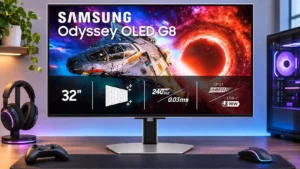
Self-emissive pixels deliver striking contrast without the elevated blacks or halos typical of many backlit monitors.
Pros: PC gaming compatibility, reflection handling
Cons: color accuracy, VRR flicker
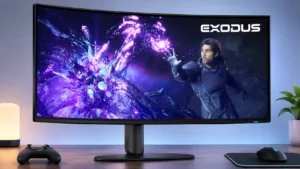
The self-emissive panel creates striking separation between deep black regions and luminous details. This contrast is a recurring reason games and HDR footage look so immersive.
Pros: overall satisfaction, Text fringing
Cons: brightness, Edge dimming behavior
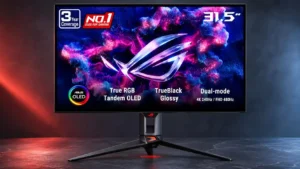
Per-pixel OLED lighting creates exceptional contrast and crisp separation between dark backgrounds and bright details, even in moderately lit rooms.
Pros: black levels, sharpness
Cons: value for money, brightness
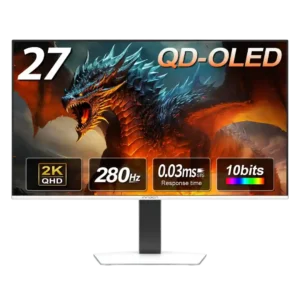
Near-infinite OLED contrast gives highlights extra punch and makes games and HDR scenes look dramatically more dimensional.
Pros: color gamut, overall picture quality
Cons: brightness, HDR performance
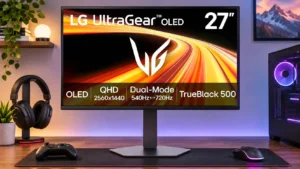
Excellent OLED contrast keeps dark areas black while bright highlights pop, especially in atmospheric games.
Pros: competitive gaming suitability, refresh rate
Cons: Dual-mode versatility, GPU demands
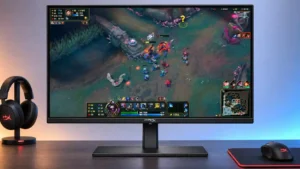
Self-lit OLED pixels create striking separation between bright objects and deep shadows, especially in atmospheric games.
Pros: black levels, overall picture quality
Cons: brightness, Gaming feature selection
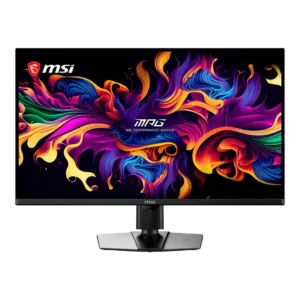
Per-pixel illumination produces effectively infinite contrast with no blooming around bright objects. Reviewers consistently describe the contrast as dramatically better than LCD alternatives.
Pros: brightness, reflection handling
Cons: cable management
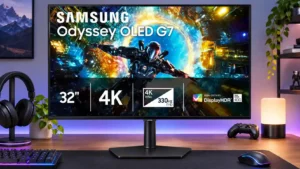
OLED contrast is a standout, letting bright effects and reds pop against deep black backgrounds without distracting blooming.
Pros: overall satisfaction, contrast
Cons: value for money, port selection
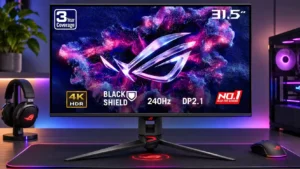
Per-pixel OLED dimming gives bright highlights striking separation from deep dark scenes with essentially no blooming. Contrast is most impressive when ambient light is controlled.
Pros: overall satisfaction, black levels
Cons: value for money, stand adjustability
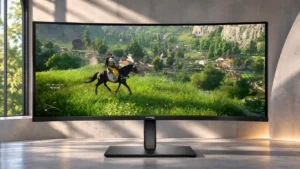
OLED contrast earns emphatic praise in previews and demonstrations. Strong ambient lighting is the more important caveat for real-world black levels.
Pros: refresh rate, color accuracy
Cons: console gaming compatibility, DisplayPort connectivity
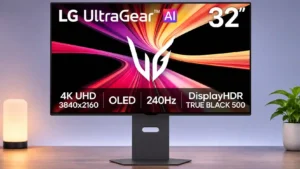
Pixel-level control delivers striking contrast and clean transitions between near-black areas and brilliant highlights.
Pros: brightness, color gamut
Cons: AI scene optimization, value for money
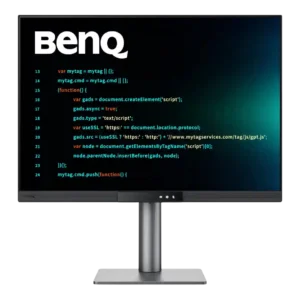
The roughly 2,000:1 contrast is a clear improvement over ordinary IPS monitors and the earlier model. Text gains definition, images have more punch, and dark content looks richer.
Pros: productivity versatility, aspect ratio
Cons: value for money, competitive gaming suitability
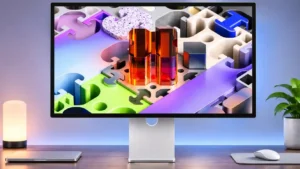
Deep mini-LED blacks alongside powerful highlights deliver striking contrast; OLED remains stronger in absolute black reproduction.
Pros: refresh rate, HDR performance
Cons: value for money, Device compatibility
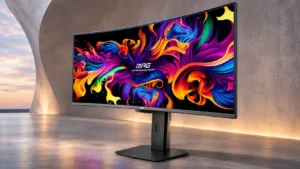
OLED contrast lends exceptional depth to night scenes and bright highlights without the backlight compromises common to LCD monitors.
Pros: refresh rate, Text fringing
Cons: Resolution, GPU demands
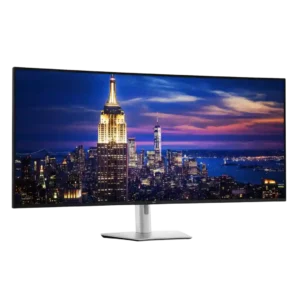
IPS Black delivers strong contrast for an IPS display, giving darker interfaces and mixed content more depth. Dark-room use still reveals IPS glow, and OLED or mini-LED alternatives remain more...
Pros: productivity versatility, overall satisfaction
Cons: value for money, response time
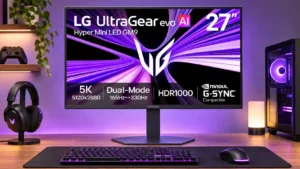
Mini LED dimming lifts the IPS panel to impressive real-scene contrast, especially in checkerboard and dark-object tests. Native contrast without dimming remains ordinary.
Pros: Resolution, Dual-mode versatility
Cons: value for money, GPU demands
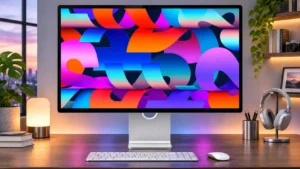
The image generally looks good for SDR work, but standard IPS contrast means the XDR and OLED alternatives pull ahead in darker material.
Pros: Monitor daisy-chaining, overall picture quality
Cons: value for money, refresh rate
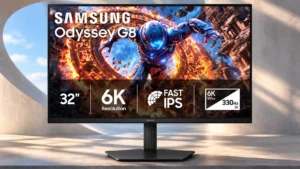
Its native contrast is good for IPS by some measurements, but cannot compete with OLED black depth; a few assessments rate its dynamic contrast much more favorably.
Pros: Resolution, sharpness
Cons: value for money, HDR performance
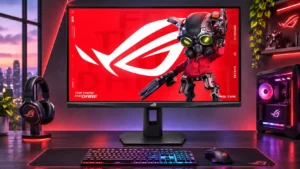
Roughly standard IPS contrast leaves dark scenes without true depth. Good SDR color does not make up for the missing OLED-like blacks or local dimming.
Pros: motion clarity, Backlight strobing
Cons: contrast, HDR performance
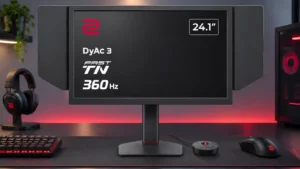
The TN panel cannot match OLED depth or contrast, and darker material can look comparatively flat. One enthusiastic tester finds its TN contrast adequate, but the wider preference is clear.
Pros: competitive gaming suitability, motion clarity
Cons: contrast, overall picture quality