Best for port selection
MSI MPG 322UR QD-OLED X24
5.0 attribute score
Highest scored product for this attribute based on supporting review evidence.

Highest scored product for this attribute based on supporting review evidence.
Balances the attribute score, supporting reviews, and overall product strength.
Has the broadest review evidence for this attribute.
Strongest overall product among items with scored evidence for this attribute.
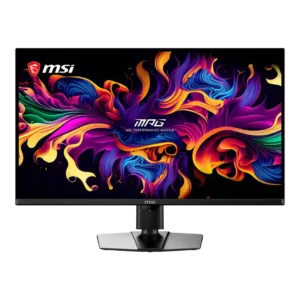
The port selection is comprehensive and premium, with DisplayPort 2.1a, two HDMI 2.1 inputs, USB-C power delivery, USB-A ports, KVM support, and a headphone jack.
Pros: brightness, reflection handling
Cons: cable management
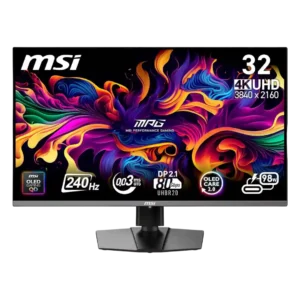
DisplayPort 2.1, two HDMI 2.1 ports, USB-C with power delivery, USB-A, and KVM support make the monitor highly flexible. The connection mix suits PCs, consoles, and laptops.
Pros: color accuracy, value for money
Cons: reliability over time, brightness
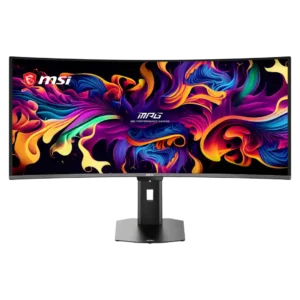
Two HDMI 2.1 ports, DisplayPort, 98W USB-C, USB-A, USB-B, audio out, and KVM support form an unusually complete connection package.
Pros: overall satisfaction, sharpness
Cons: Resolution, cable management
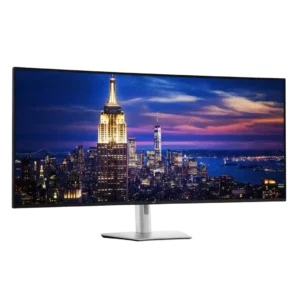
Connectivity is exceptionally comprehensive, with Thunderbolt 4, dual HDMI, dual DisplayPort, numerous USB-A and USB-C ports, Ethernet, and easy-access front connections. It functions as a true connectivity powerhouse.
Pros: productivity versatility, overall satisfaction
Cons: value for money, response time
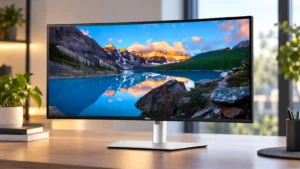
Port selection is a standout strength, with abundant USB-A, USB-C, Thunderbolt, video, Ethernet, and audio connectivity. The monitor can realistically serve as the connection center of a desk setup.
Pros: overall satisfaction, productivity versatility
Cons: value for money, reliability over time
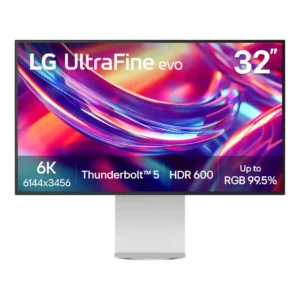
Connectivity is one of the clearest consensus strengths: Thunderbolt 5, USB-C, HDMI 2.1, and DisplayPort 2.1 cover most modern workflows. Reviewers repeatedly praise the flexibility for laptops, desktops, daisy chains,...
Pros: port selection, overall satisfaction
Cons: value for money, cable management
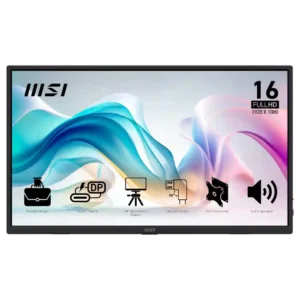
Port selection is a major strength, especially full-size HDMI plus USB-C. Several owners specifically value avoiding mini-HDMI adapters.
Pros: value for money, portability and weight
Cons: built-in speakers, color gamut
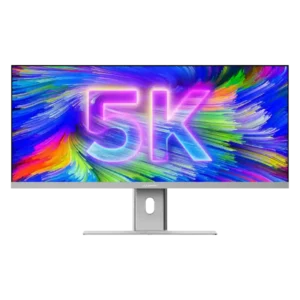
USB-C, DisplayPort, HDMI, Ethernet, audio, and downstream USB-C cover most modern workstation needs. The main omissions are USB-A, an SD card reader, and faster accessory ports.
Pros: productivity versatility, aspect ratio
Cons: built-in speakers, competitive gaming suitability
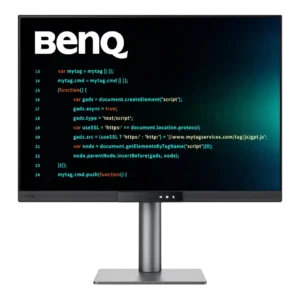
Connectivity is a major strength, combining USB-C power delivery, HDMI, DisplayPort, USB-B, and accessible downstream ports. A few reviewers disliked specific port positions, but the overall selection is highly versatile.
Pros: productivity versatility, aspect ratio
Cons: value for money, competitive gaming suitability
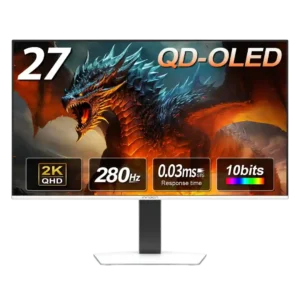
The core video selection is strong with dual HDMI and dual DisplayPort, but the lack of USB-C, USB expansion, and KVM functionality keeps it from feeling fully equipped.
Pros: color gamut, overall picture quality
Cons: brightness, HDR performance
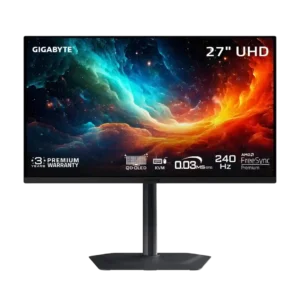
The monitor covers the major gaming and productivity connections, including dual HDMI 2.1, DisplayPort, USB-C, USB hub ports, and audio. DisplayPort 2.1 is the main omission.
Pros: motion clarity, PC gaming compatibility
Cons: color accuracy, software support
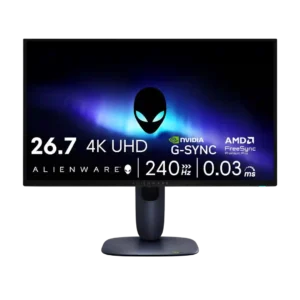
Port selection was generally adequate to good, but reviewers often framed it as trimmed versus pricier rivals.
Pros: value for money, sharpness
Cons: brightness, USB hub functionality
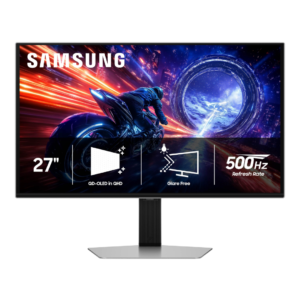
The core gaming ports are practical and easy to reach, with HDMI 2.1, DisplayPort, USB-A, and audio covered. Missing USB-C, KVM, and DisplayPort 2.1 keep the selection from feeling fully...
Pros: overall satisfaction, competitive gaming suitability
Cons: value for money, screen size
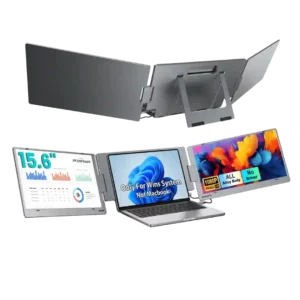
Port selection is restrictive. The expert review notes that the two USB-C ports are effectively split between connection and power, limiting multi-device use and leaving no HDMI input.
Pros: overall satisfaction, portability and weight
Cons: reliability over time