Best for Resolution
LG UltraFine 6K Evo 32U990A
5.0 attribute score
Highest scored product for this attribute based on supporting review evidence.

Highest scored product for this attribute based on supporting review evidence.
Balances the attribute score, supporting reviews, and overall product strength.
Has the broadest review evidence for this attribute.
Strongest overall product among items with scored evidence for this attribute.
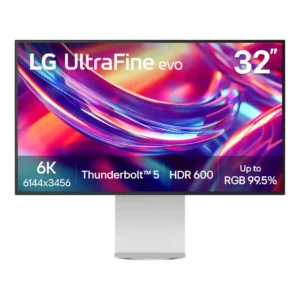
The 6K panel is the defining strength, delivering Retina-like density and far more working detail than 4K at the same general size. Reviewers consistently see the 6144×3456 canvas as the...
Pros: port selection, overall satisfaction
Cons: value for money, cable management
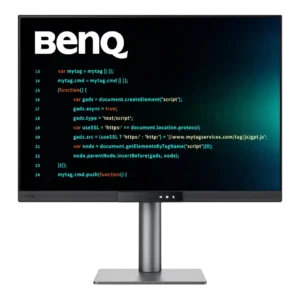
The 3840 × 2560 panel adds 400 vertical pixels beyond standard 4K, producing a spacious, highly detailed desktop. Text and dense interfaces benefit most from the extra resolution.
Pros: productivity versatility, aspect ratio
Cons: value for money, competitive gaming suitability
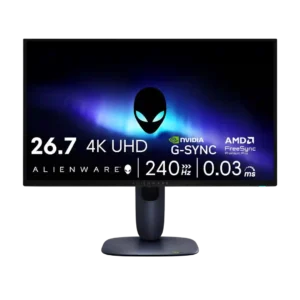
Reviewers consistently praised the 4K resolution for making the 27-inch screen exceptionally crisp and detailed.
Pros: value for money, sharpness
Cons: brightness, USB hub functionality
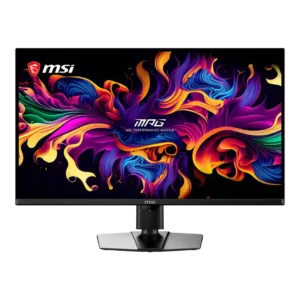
The 3840×2160 resolution is exceptionally sharp at 32 inches and clearly more detailed than 27-inch QHD displays. It also demands a powerful GPU for high-refresh gaming.
Pros: brightness, reflection handling
Cons: cable management
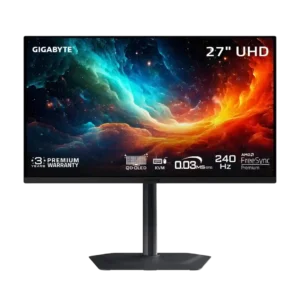
The 4K resolution looks exceptionally crisp at 27 inches, with high pixel density that improves games, text, and multitasking.
Pros: motion clarity, PC gaming compatibility
Cons: color accuracy, software support
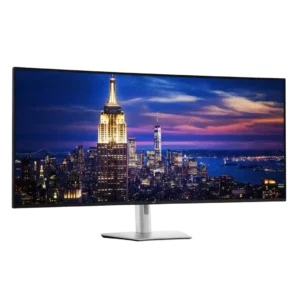
The 6144×2560 canvas fits enormous amounts of work while keeping text usable. At 129 PPI, it is less dense than smaller 4K or 5K displays and can look softer at...
Pros: productivity versatility, overall satisfaction
Cons: value for money, response time
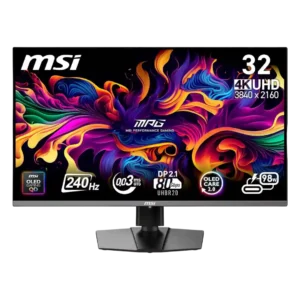
The 4K resolution produces detailed games, sharp media, and a spacious desktop. It looks excellent at 32 inches, although 27-inch 4K remains slightly denser for close text work.
Pros: color accuracy, value for money
Cons: reliability over time, brightness
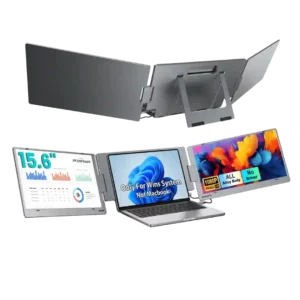
The 1080p resolution is generally judged well matched to the 15.6-inch panels. Reviewers repeatedly describe text and images as crisp, with several saying the resolution is more than adequate for...
Pros: overall satisfaction, portability and weight
Cons: reliability over time
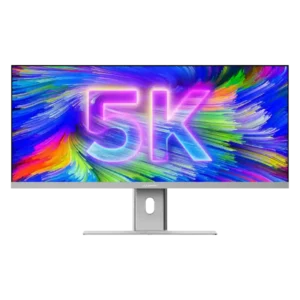
The 5120×2160 panel delivers a major jump in usable detail and is consistently praised for creative work. It is not Retina-class at 40 inches, so several reviewers preferred a scaled...
Pros: productivity versatility, aspect ratio
Cons: built-in speakers, competitive gaming suitability
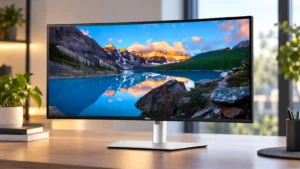
The 3440×1440 resolution is widely liked for productivity and looks crisp to many users, but it is not 4K. At 34 inches, some testers find the pixel density less sharp...
Pros: overall satisfaction, productivity versatility
Cons: value for money, reliability over time
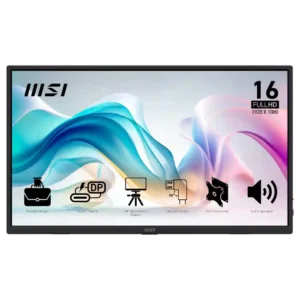
1080p is generally sharp enough at 15.6 inches and works well for office tasks, but some buyers find it merely adequate compared with higher-resolution screens.
Pros: value for money, portability and weight
Cons: built-in speakers, color gamut
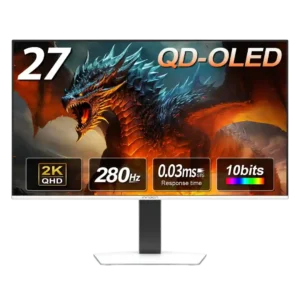
The 1440p resolution is widely treated as a strong match for a 27-inch gaming screen. It looks sharp in games, though text can appear less dense and more fringed than...
Pros: color gamut, overall picture quality
Cons: brightness, HDR performance
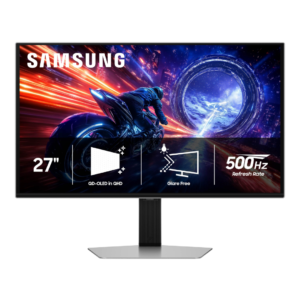
1440p is a sensible match for very high frame rates and looks crisp in games at 27 inches, but it is noticeably less dense than 4K. Buyers prioritizing fine text...
Pros: overall satisfaction, competitive gaming suitability
Cons: value for money, screen size
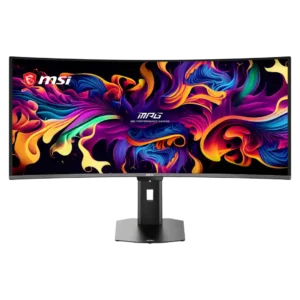
The 3440×1440 resolution balances immersion, performance, and usable detail for games, but roughly 110 PPI looks soft beside 4K monitors during text-heavy work.
Pros: overall satisfaction, sharpness
Cons: Resolution, cable management