Best for Screen coating clarity
BenQ MA270S
5.0 attribute score
Highest scored product for this attribute based on supporting review evidence.

Highest scored product for this attribute based on supporting review evidence.
Balances the attribute score, supporting reviews, and overall product strength.
Has the broadest review evidence for this attribute.
Strongest overall product among items with scored evidence for this attribute.
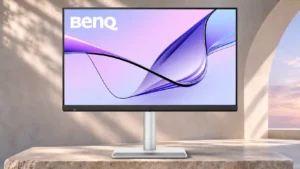
The Nano Gloss surface gives text and colors a particularly clear, rich appearance. Its reflective nature is the main tradeoff.
Pros: port selection, color accuracy
Cons: built-in speakers, speaker quality
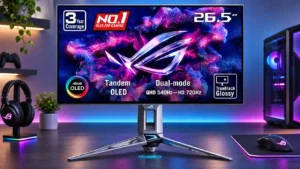
TrueBlack Glossy removes coating grain and gives games a crisp, vivid look. Its exceptional clarity is the main reason to prefer this screen finish over matte alternatives.
Pros: black levels, motion clarity
Cons: value for money, Dual-mode versatility
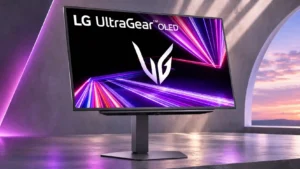
The glossy coating is a standout: crisp, low-haze images look substantially cleaner than older matte WOLED finishes.
Pros: overall satisfaction, value for money
Cons: reflection handling, screen uniformity
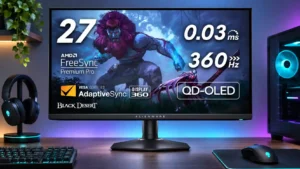
The semi-glossy QD-OLED finish looks clearer and less grainy than many matte OLED coatings, with extra reflections as the tradeoff.
Pros: competitive gaming suitability, color gamut
Cons: brightness, HDMI 2.1 support
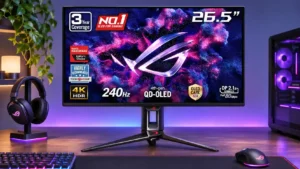
The semi-gloss finish preserves a notably clear and vivid image without the grain of some matte coatings. Bright reflections remain an unavoidable compromise.
Pros: sharpness, overall satisfaction
Cons: value for money, VRR flicker
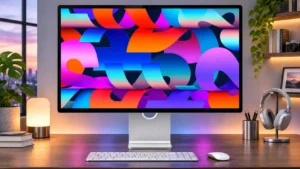
The glossy option is prized for its clean, crisp look; the matte nano-texture alternative is useful where reflections are a bigger problem.
Pros: Monitor daisy-chaining, overall picture quality
Cons: value for money, refresh rate
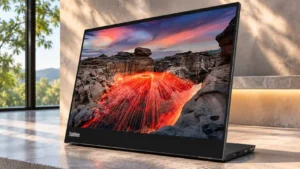
The glossy coating gives images extra clarity versus the matte first-generation ThinkVision M14. The tradeoff is heavy glare in challenging light.
Pros: overall picture quality, Stylus usability
Cons: port selection, refresh rate
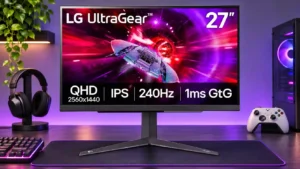
The matte coating helps in brighter surroundings while leaving the image reasonably clean and clear.
Pros: refresh rate, overall satisfaction
Cons: HDR performance, contrast
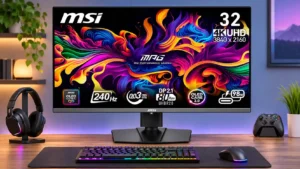
The glossy coating gives an unusually clear, vibrant image compared with matte displays.
Pros: overall satisfaction, DisplayPort connectivity
Cons: value for money, reliability over time
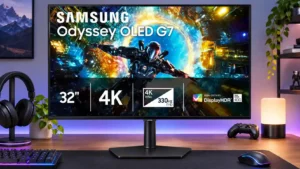
Glossy glass produces a clearer, less hazy picture than matte finishes, at the expense of stronger reflections.
Pros: overall satisfaction, contrast
Cons: value for money, port selection
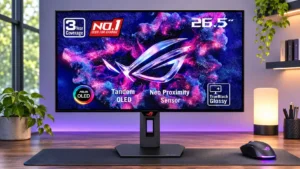
TrueBlack Glossy avoids the grain and haze common on matte coatings, leaving images and text especially crisp.
Pros: overall satisfaction, response time
Cons: reflection handling, VRR flicker
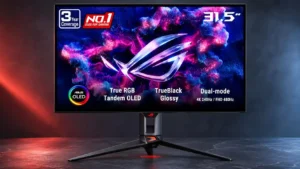
The haze-free glossy surface gives unusually crisp text and an almost glass-like picture without matte grain, at the cost of strong mirror reflections.
Pros: black levels, sharpness
Cons: value for money, brightness
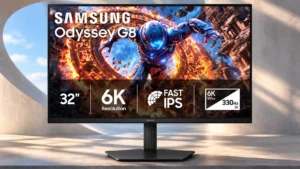
The light matte finish suppresses reflections without much grain, preserving the panel's unusually fine detail.
Pros: Resolution, sharpness
Cons: value for money, HDR performance
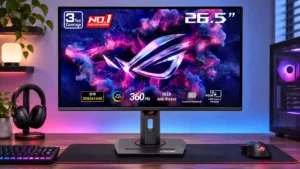
The semi-glossy finish keeps images crisp and colorful without the grain of heavy matte coatings, though it trades off some glare resistance.
Pros: color gamut, overall satisfaction
Cons: reflection handling, VRR flicker
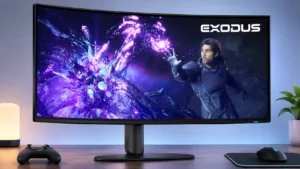
The low-haze glossy finish enhances perceived clarity and black depth without the soft grain of matte coatings. Its polished look comes with more visible direct reflections.
Pros: overall satisfaction, Text fringing
Cons: brightness, Edge dimming behavior
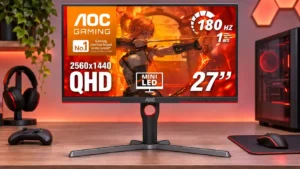
The relatively light matte coating preserves a clearer, less grainy image than many heavier anti-glare surfaces, though reflections are more defined.
Pros: value for money, HDR performance
Cons: on-screen display usability, port selection
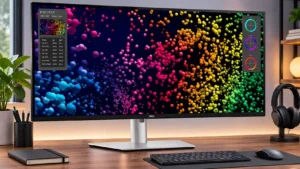
The lightly matte finish keeps reflections manageable without noticeably muddying text and images.
Pros: overall picture quality, color accuracy
Cons: value for money, built-in speakers
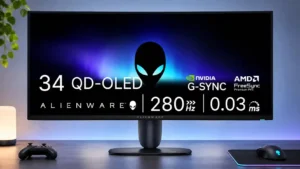
The semi-gloss surface keeps images crisp and avoids a grainy matte look even as it improves glare resistance.
Pros: brightness, value for money
Cons: port selection, built-in speakers
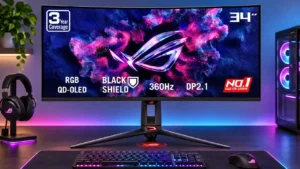
The newer coating maintains a clear, glossy-looking image while reducing reflected-light problems compared with earlier QD-OLED finishes.
Pros: color gamut, contrast
Cons: value for money, Resolution
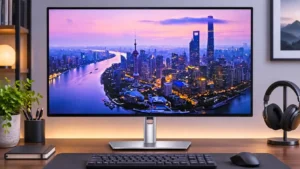
The matte finish reduces glare without a major sharpness penalty for most users, although fine grain and slightly reduced saturation can be visible.
Pros: port selection, USB hub functionality
Cons: competitive gaming suitability, motion clarity
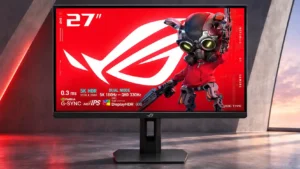
The anti-glare surface controls reflections well, although a few glossy-screen fans wish the image had a more glass-like finish.
Pros: Pixel density, Resolution
Cons: GPU demands, HDR performance
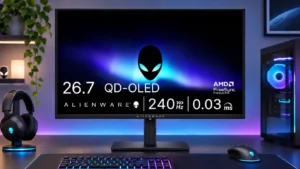
The glossy coating gives the panel strong perceived clarity in controlled lighting but reflects light more readily than matte finishes.
Pros: value for money, panel type
Cons: brightness, port selection
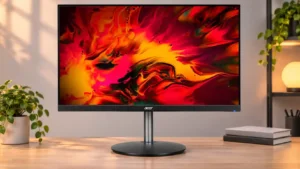
The hazy anti-glare finish reduces reflections without adding substantial grain to text or detail.
Pros: adaptive sync performance, PC gaming compatibility
Cons: HDR performance, contrast
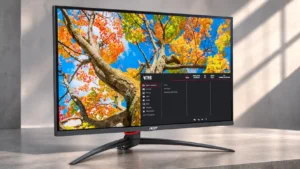
The matte coating helps manage glare during daylight work while retaining the panel's crisp text rendering.
Pros: HDR performance, overall satisfaction
Cons: local dimming performance, Blooming control
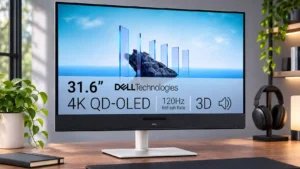
The glossy-looking front treatment lends extra pop to images, even though its reflective nature needs consideration.
Pros: overall picture quality, overall satisfaction
Cons: port selection, brightness
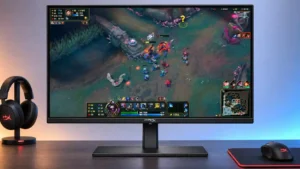
Indoor lighting reflections are softened enough to keep the image looking clear in one hands-on demonstration.
Pros: black levels, overall picture quality
Cons: brightness, Gaming feature selection
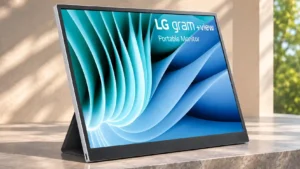
The matte surface reduces distracting reflections more effectively than a glossy portable competitor.
Pros: portability and weight, overall satisfaction
Cons: port selection, Device compatibility
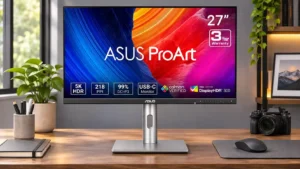
LuxPixel significantly reduces glare, but its diffusion can add a slightly hazy or grainy texture to fine text and white backgrounds. Preferences split between matte practicality and glossy punch.
Pros: color accuracy, overall picture quality
Cons: HDR performance, refresh rate
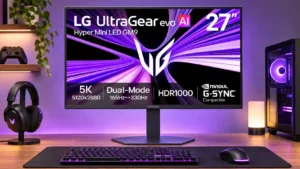
The matte anti-glare layer generally retains impressive detail without the severe haze of some competitors. A few users dislike its subtle grain and shimmer versus glossy glass.
Pros: Resolution, Dual-mode versatility
Cons: value for money, GPU demands
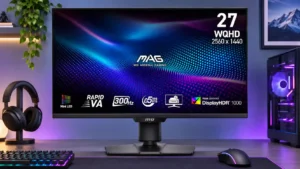
The matte surface keeps text clear and softens reflections, though it is less pristine than glossy glass and can show subtle off-axis tint.
Pros: HDR performance, black levels
Cons: viewing angles, response time
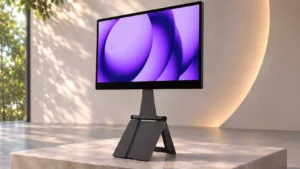
The glossy glass keeps the picture clear and polished, but it also trades away the light-diffusing qualities of a matte finish.
Pros: overall satisfaction, stand adjustability
Cons: value for money, reflection handling
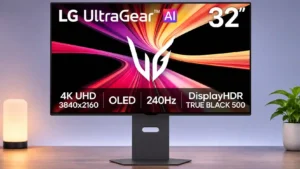
The matte treatment minimizes distracting reflections, but its slight haze is less clean-looking than glossy OLED surfaces.
Pros: brightness, color gamut
Cons: AI scene optimization, value for money
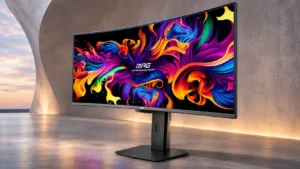
The glossy, improved anti-reflective finish gives dark imagery extra punch and cuts the purple cast of earlier QD-OLED screens, without eliminating every reflection.
Pros: refresh rate, Text fringing
Cons: Resolution, GPU demands
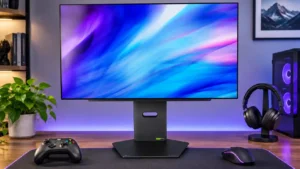
The matte finish controls mirror-like reflections with little obvious grain for some, but others prefer a glossy surface for maximum crispness.
Pros: refresh rate, competitive gaming suitability
Cons: value for money, brightness
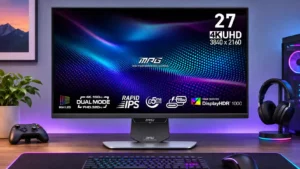
The matte surface preserves fairly clean text and images, though it has some grain compared with glossy coatings.
Pros: Dual-mode versatility, refresh rate
Cons: black levels, contrast
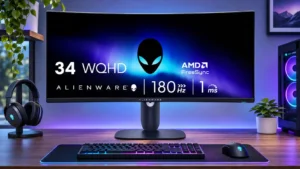
The matte surface maintains generally good clarity, but glossy premium OLED alternatives can look cleaner.
Pros: ultrawide gaming experience, black levels
Cons: HDR performance, viewing angles
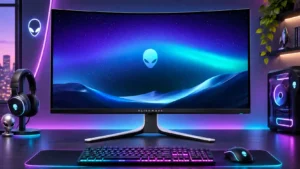
The semi-glossy finish produces a clean, striking image with minimal matte grain. Its reflections, smudges and cleaning sensitivity are the tradeoff.
Pros: overall satisfaction, brightness
Cons: Dolby Vision support, VRR flicker
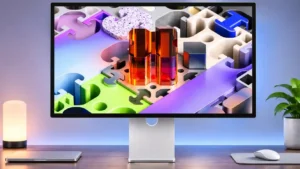
Glossy glass keeps maximum pop and crispness; optional nano-texture cuts glare effectively but may look slightly softer.
Pros: refresh rate, HDR performance
Cons: value for money, Device compatibility
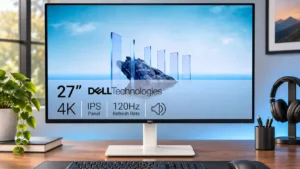
The mild matte finish controls glare without much visible grain, although sensitive users may see slight mistiness or diminished vibrancy.
Pros: value for money, Resolution
Cons: port selection, HDR performance
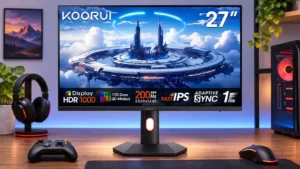
The coating controls reflections, but its relatively aggressive texture can be noticeable up close and may affect off-angle clarity.
Pros: overall satisfaction, PC gaming compatibility
Cons: color accuracy, local dimming performance
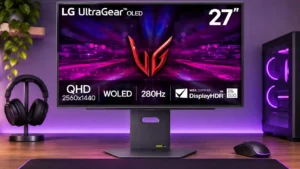
The matte coating is divisive: some see a surprisingly clean image with low glare, while others find its grain and softened highlights highly distracting.
Pros: reflection handling, HDR performance
Cons: screen uniformity, Screen coating clarity
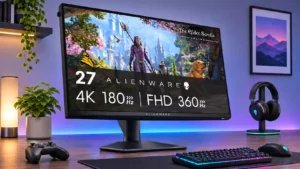
The matte-to-semi-gloss coating can reduce harsh reflections, though several testers notice graininess, haze or a less satisfying compromise than a truly clear glossy panel.
Pros: Resolution, refresh rate
Cons: HDR performance, contrast
The screen coating clarity is adequate for routine use but comes with compromises depending on the connected device and task.
Pros: brightness, portability and weight
Cons: value for money, port selection
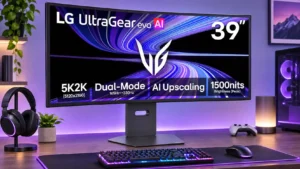
The matte finish reduces mirror reflections but does not deliver quite the crystalline sheen favored by fans of glossy OLED.
Pros: Resolution, overall satisfaction
Cons: value for money, Image scaling
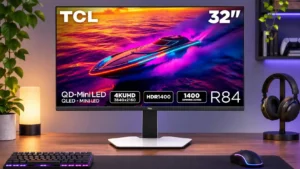
The matte anti-glare treatment controls reflections but divides opinion over its visible grain or pearly sheen, especially up close.
Pros: brightness, HDR performance
Cons: speaker quality, built-in speakers
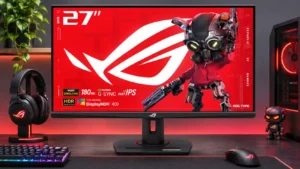
The matte coating contains moderate grain, a small clarity tradeoff for its anti-reflection properties.
Pros: value for money, Resolution
Cons: HDR performance, port selection
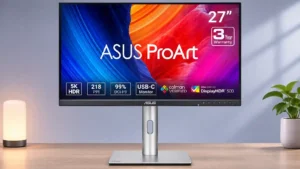
The matte coating is divisive: some see crisp, unobstructed detail while others notice haze, shimmer or grain that undermines 6K text clarity.
Pros: value for money, Resolution
Cons: HDR performance, refresh rate
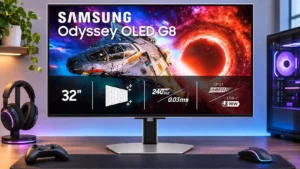
The matte finish is excellent at softening reflections but adds haze and grain compared with glossy QD-OLED rivals. A few users find the texture intrusive.
Pros: PC gaming compatibility, reflection handling
Cons: color accuracy, VRR flicker
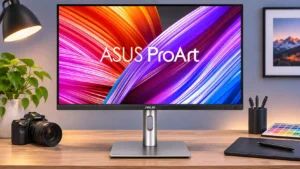
The matte surface cuts direct reflections but can introduce a subtle grain or diffuse glare into a white haze. Opinions range from barely noticeable texture to a significant loss of...
Pros: USB-C power delivery, port selection
Cons: HDR performance, refresh rate
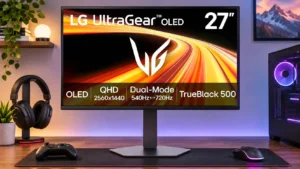
The matte coating cuts reflections but looks less crisp and punchy than glossy rivals to some viewers; preferences are sharply divided.
Pros: competitive gaming suitability, refresh rate
Cons: Dual-mode versatility, GPU demands