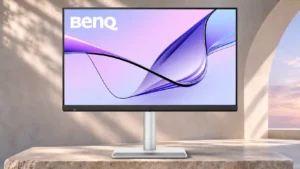
The Nano Gloss surface gives text and colors a particularly clear, rich appearance. Its reflective nature is the main tradeoff.
Pros: port selection, color accuracy
Cons: built-in speakers, speaker quality

The Nano Gloss surface gives text and colors a particularly clear, rich appearance. Its reflective nature is the main tradeoff.
Pros: port selection, color accuracy
Cons: built-in speakers, speaker quality
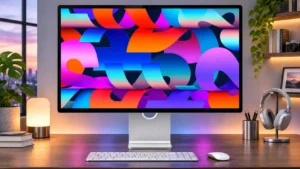
The glossy option is prized for its clean, crisp look; the matte nano-texture alternative is useful where reflections are a bigger problem.
Pros: Monitor daisy-chaining, overall picture quality
Cons: value for money, refresh rate
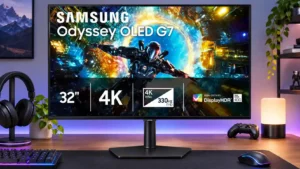
Glossy glass produces a clearer, less hazy picture than matte finishes, at the expense of stronger reflections.
Pros: overall satisfaction, contrast
Cons: value for money, port selection
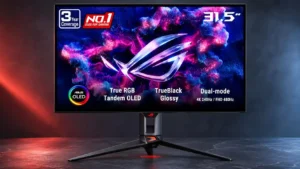
The haze-free glossy surface gives unusually crisp text and an almost glass-like picture without matte grain, at the cost of strong mirror reflections.
Pros: black levels, sharpness
Cons: value for money, brightness
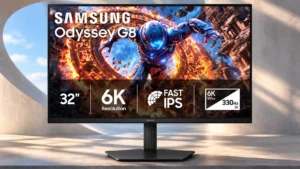
The light matte finish suppresses reflections without much grain, preserving the panel's unusually fine detail.
Pros: Resolution, sharpness
Cons: value for money, HDR performance
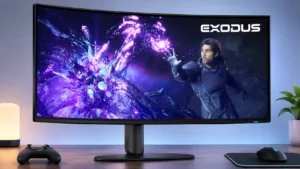
The low-haze glossy finish enhances perceived clarity and black depth without the soft grain of matte coatings. Its polished look comes with more visible direct reflections.
Pros: overall satisfaction, Text fringing
Cons: brightness, Edge dimming behavior
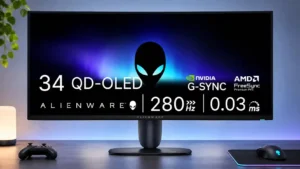
The semi-gloss surface keeps images crisp and avoids a grainy matte look even as it improves glare resistance.
Pros: brightness, value for money
Cons: port selection, built-in speakers
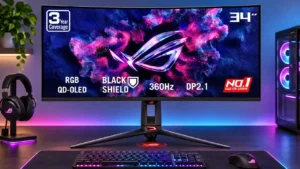
The newer coating maintains a clear, glossy-looking image while reducing reflected-light problems compared with earlier QD-OLED finishes.
Pros: color gamut, contrast
Cons: value for money, Resolution
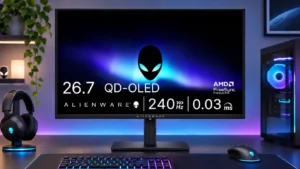
The glossy coating gives the panel strong perceived clarity in controlled lighting but reflects light more readily than matte finishes.
Pros: value for money, panel type
Cons: brightness, port selection
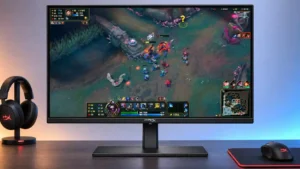
Indoor lighting reflections are softened enough to keep the image looking clear in one hands-on demonstration.
Pros: black levels, overall picture quality
Cons: brightness, Gaming feature selection
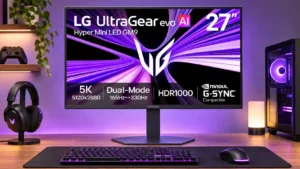
The matte anti-glare layer generally retains impressive detail without the severe haze of some competitors. A few users dislike its subtle grain and shimmer versus glossy glass.
Pros: Resolution, Dual-mode versatility
Cons: value for money, GPU demands
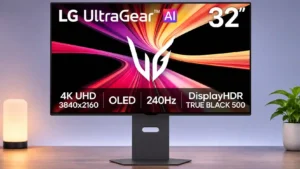
The matte treatment minimizes distracting reflections, but its slight haze is less clean-looking than glossy OLED surfaces.
Pros: brightness, color gamut
Cons: AI scene optimization, value for money
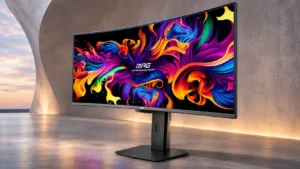
The glossy, improved anti-reflective finish gives dark imagery extra punch and cuts the purple cast of earlier QD-OLED screens, without eliminating every reflection.
Pros: refresh rate, Text fringing
Cons: Resolution, GPU demands
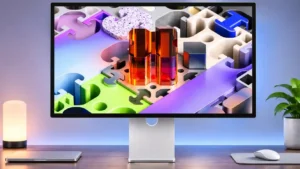
Glossy glass keeps maximum pop and crispness; optional nano-texture cuts glare effectively but may look slightly softer.
Pros: refresh rate, HDR performance
Cons: value for money, Device compatibility
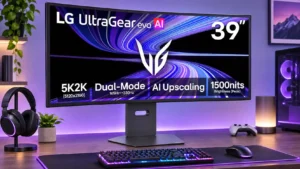
The matte finish reduces mirror reflections but does not deliver quite the crystalline sheen favored by fans of glossy OLED.
Pros: Resolution, overall satisfaction
Cons: value for money, Image scaling
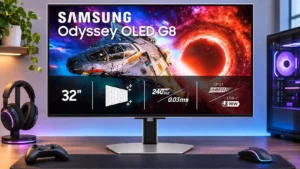
The matte finish is excellent at softening reflections but adds haze and grain compared with glossy QD-OLED rivals. A few users find the texture intrusive.
Pros: PC gaming compatibility, reflection handling
Cons: color accuracy, VRR flicker
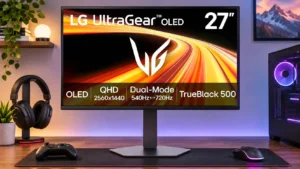
The matte coating cuts reflections but looks less crisp and punchy than glossy rivals to some viewers; preferences are sharply divided.
Pros: competitive gaming suitability, refresh rate
Cons: Dual-mode versatility, GPU demands

The matte surface softens perceived crispness compared with a glossy OLED, particularly when reflections are diffused across the display.
Pros: motion clarity, Backlight strobing
Cons: contrast, HDR performance