Best for aspect ratio
Dell P1425 Monitor
5.0 attribute score
Highest scored product for this attribute based on supporting review evidence.

Highest scored product for this attribute based on supporting review evidence.
Balances the attribute score, supporting reviews, and overall product strength.
Has the broadest review evidence for this attribute.
Strongest overall product among items with scored evidence for this attribute.
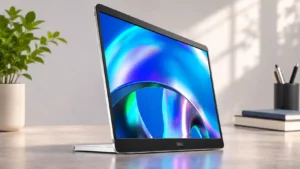
Overall: 3.9/5
The 16:10 shape creates a little more vertical room for rows, pages and tools than older 16:9 portable screens.
Pros: brightness, portability and weight
Cons: value for money, port selection
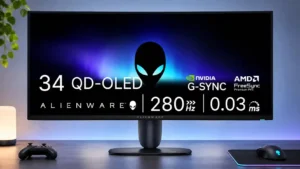
Overall: 4.4/5
The 21:9 canvas creates a wide, cinematic view and extra horizontal working space. Not every game or console output fills it cleanly.
Pros: brightness, value for money
Cons: port selection, built-in speakers
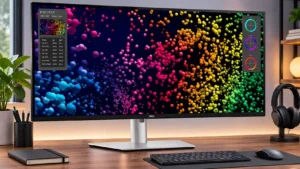
Overall: 4.4/5
The 21:9 canvas is excellent for wide timelines, side-by-side windows, and supported ultrawide entertainment without feeling as extreme as a super-ultrawide.
Pros: overall picture quality, color accuracy
Cons: value for money, built-in speakers
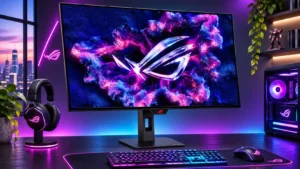
Overall: 4.2/5
The selectable 27-inch and 24.5-inch simulated image sizes add flexibility when full 32-inch coverage feels excessive.
Pros: overall satisfaction, black levels
Cons: reflection handling, Color brightness
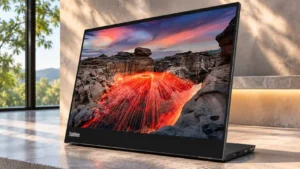
Overall: 3.9/5
The taller 16:10 screen shows extra spreadsheet rows, document text, and app content. It suits work better than the usual 16:9 video shape.
Pros: overall picture quality, Stylus usability
Cons: port selection, refresh rate
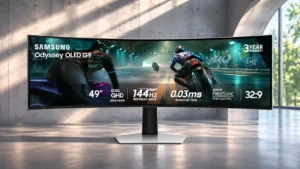
Overall: 3.7/5
The 32:9 layout provides an expansive, bezel-free field of view that is especially rewarding in compatible games and wide desktop workspaces.
Pros: value for money, black levels
Cons: refresh rate, portability and weight
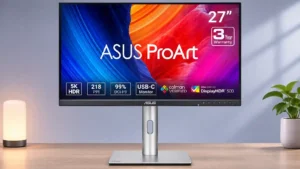
Overall: 4.1/5
The familiar 16:9 canvas works comfortably with mainstream creative applications and side-by-side windows rather than demanding ultrawide-specific layouts.
Pros: value for money, Resolution
Cons: HDR performance, refresh rate
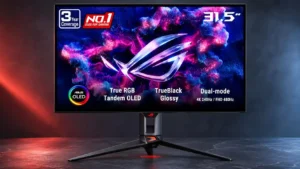
Overall: 4.3/5
Selectable 27-inch and 24.5-inch viewing formats broaden the ways to use the 16:9 screen for faster competitive play.
Pros: black levels, sharpness
Cons: value for money, brightness
Overall: 4.1/5
The standard 16:9 layout avoids awkward game-format compatibility and keeps the full action in view.
Pros: overall satisfaction, value for money
Cons: reflection handling, screen uniformity
Overall: 4.0/5
The familiar 16:9 proportions work naturally with the 27-inch QHD size and fit the preferred desktop layout.
Pros: refresh rate, competitive gaming suitability
Cons: value for money, brightness
Overall: 4.4/5
The wide screen offers useful extra horizontal space and strong immersion in compatible content, though ordinary 16:9 material does not fill the whole panel.
Pros: refresh rate, Text fringing
Cons: Resolution, GPU demands
Overall: 4.3/5
The 21:9 format is exceptionally effective for side-by-side apps, long timelines, and anamorphic footage without letterboxing. Reviewers repeatedly saw it as a cleaner alternative to two or even three displays.
Pros: productivity versatility, aspect ratio
Cons: built-in speakers, competitive gaming suitability
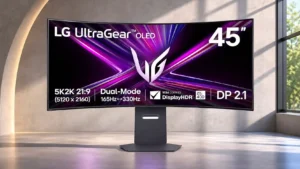
Overall: 4.1/5
The taller 21:9 layout offers more useful vertical room than many 32:9 alternatives without sacrificing much horizontal immersion. It is especially appealing for games and work that benefit from height...
Pros: Resolution, overall satisfaction
Cons: value for money, GPU demands
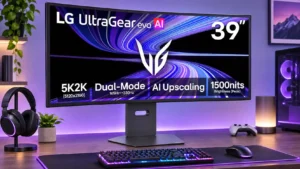
Overall: 4.1/5
The 21:9 format expands game views and workspace substantially; standard 16:9 inputs need side borders rather than full-screen stretching.
Pros: Resolution, overall satisfaction
Cons: value for money, Image scaling
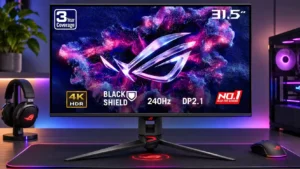
Overall: 4.2/5
Smaller simulated 27-inch and 24.5-inch modes give players a more focused gaming area without replacing the screen. They are particularly appealing for shooters on a large 32-inch panel.
Pros: overall satisfaction, black levels
Cons: value for money, stand adjustability
Overall: 4.4/5
The unusual 3:2 shape is the monitor’s defining strength. It may feel odd briefly, but programmers, traders, writers, and creative users repeatedly preferred its extra vertical room.
Pros: productivity versatility, aspect ratio
Cons: value for money, competitive gaming suitability
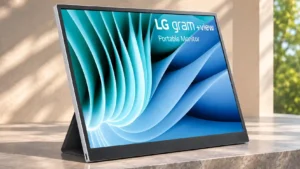
Overall: 3.8/5
The 16:10 shape shows more code, document rows and web content vertically than 16:9, making it particularly useful for work.
Pros: portability and weight, overall satisfaction
Cons: port selection, Device compatibility
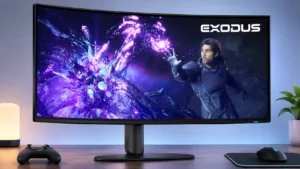
Overall: 4.3/5
Its 21:9 layout makes supported games feel more expansive and gives desktop applications generous side-by-side space. Standard 16:9 material does not always use the full width.
Pros: overall satisfaction, Text fringing
Cons: brightness, Edge dimming behavior
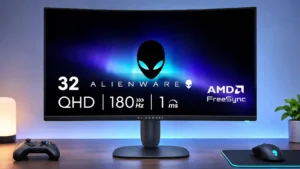
Overall: 4.1/5
The standard 16:9 format appeals to those who prefer a conventional display over 21:9 ultrawide, although adapting from an ultrawide takes a little time.
Pros: value for money, overall satisfaction
Cons: HDR performance, Headphone output quality
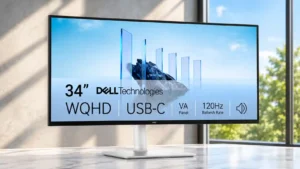
Overall: 4.2/5
The 21:9 shape makes side-by-side productivity convenient and ultrawide-supported games immersive; standard video can leave empty side areas.
Pros: overall satisfaction, screen size
Cons: stand adjustability, Photo editing
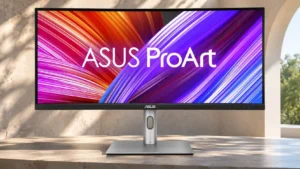
Overall: 3.9/5
The wide format makes room for side-by-side windows and editing tools without the split between separate monitors.
Pros: color accuracy, value for money
Cons: color gamut, black levels
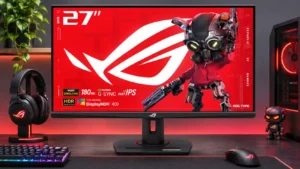
Overall: 3.8/5
The conventional 16:9 screen is a comfortable fit for desktop and PC gaming, without the width or special layout of an ultrawide.
Pros: value for money, Resolution
Cons: HDR performance, port selection
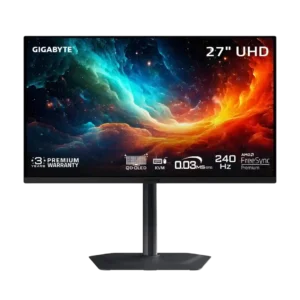
Overall: 4.1/5
Tactical Switch can quickly move from 16:9 to 4:3 or 5:4 and a 24-inch view, which is especially useful for competitive shooters.
Pros: motion clarity, PC gaming compatibility
Cons: color accuracy, software support
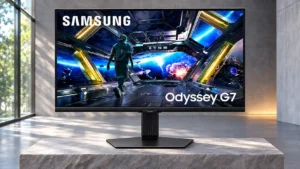
Overall: 3.1/5
The standard 16:9 shape fits console signals, typical videos and common desktop applications without unusual aspect-ratio compromises.
Pros: PC gaming compatibility, overall picture quality
Cons: overall satisfaction, Smart TV platform
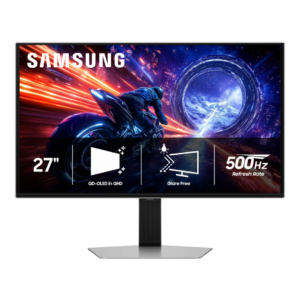
Overall: 4.3/5
The familiar 16:9 layout was described as an easy, comfortable transition from typical gaming monitors.
Pros: overall satisfaction, competitive gaming suitability
Cons: value for money, screen size
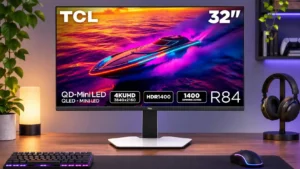
Overall: 4.2/5
The standard 16:9 shape fills modern console games without the side bars common on ultrawide screens.
Pros: brightness, HDR performance
Cons: speaker quality, built-in speakers
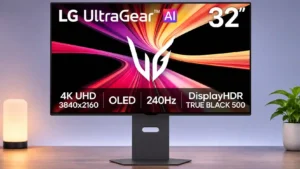
Overall: 3.9/5
The familiar 16:9 screen fills conventional PC and console games without the unwanted black bars of ultrawide formats.
Pros: brightness, color gamut
Cons: AI scene optimization, value for money
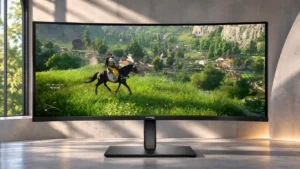
Overall: 4.4/5
The ultrawide aspect ratio excels for immersive compatible games and side-by-side work. The tradeoff is that not every game handles 21:9 equally well.
Pros: refresh rate, color accuracy
Cons: console gaming compatibility, DisplayPort connectivity
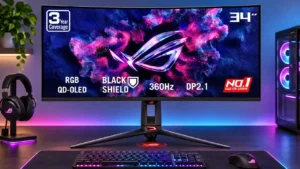
Overall: 4.5/5
The 21:9 view opens up peripheral game scenery and more desktop space. Alternative aspect ratios can help focus competitive play, but consoles require manual switching.
Pros: color gamut, contrast
Cons: value for money, Resolution
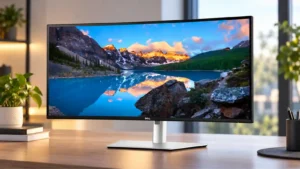
Overall: 4.0/5
The 21:9 ultrawide format is excellent for keeping several apps visible at once. One owner notes that some websites can look awkward when stretched across the full width.
Pros: overall satisfaction, productivity versatility
Cons: value for money, reliability over time
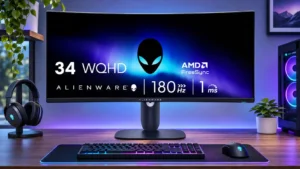
Overall: 3.7/5
The expansive 21:9 view adds space and immersion, though unsupported games and applications can show black bars.
Pros: ultrawide gaming experience, black levels
Cons: HDR performance, viewing angles
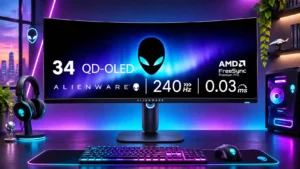
Overall: 4.2/5
The 21:9 canvas makes supported games more cinematic and adds horizontal workspace; some competitive titles require a narrower mode.
Pros: refresh rate, HDR performance
Cons: reflection handling, Text fringing
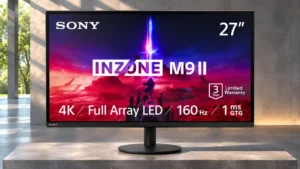
Overall: 3.9/5
Traditional 16:9 framing suits PS5 and most PC games, while the smaller workspace can feel restrictive for ultrawide-style multitasking.
Pros: color gamut, stand adjustability
Cons: value for money, Bass reproduction
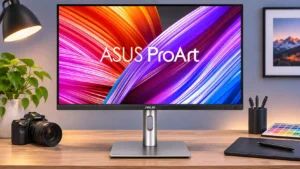
Overall: 4.3/5
The conventional 16:9 canvas works naturally for Lightroom and standard video timelines. It offers a familiar workspace rather than an ultrawide view.
Pros: USB-C power delivery, port selection
Cons: HDR performance, refresh rate
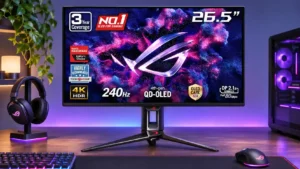
Overall: 4.4/5
Selectable 4:3 and simulated 24.5-inch views give competitive players more control over their preferred playing field.
Pros: sharpness, overall satisfaction
Cons: value for money, VRR flicker
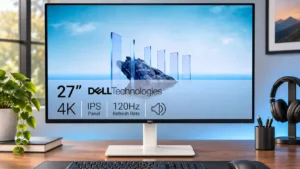
Overall: 3.8/5
The standard 16:9 format suits everyday software and video, though it cannot provide the horizontal space of an ultrawide.
Pros: value for money, Resolution
Cons: port selection, HDR performance
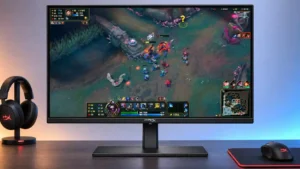
Overall: 4.1/5
The traditional widescreen format works well for competitive games, though it offers less lateral immersion than ultrawide screens.
Pros: black levels, overall picture quality
Cons: brightness, Gaming feature selection
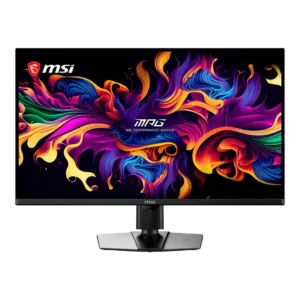
Overall: 4.4/5
Selectable screen-size modes and a forced 4:3 option give competitive players extra flexibility. The feature is useful for shrinking the active image without changing monitors.
Pros: brightness, reflection handling
Cons: cable management
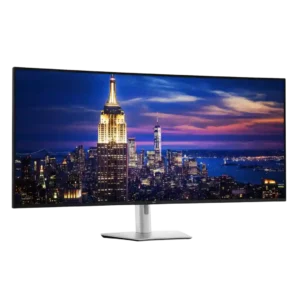
Overall: 4.3/5
The tall ultrawide shape preserves more vertical room than super-ultrawides, which editors and multitaskers value. Some users still prefer standard 16:9 or wider 32:9 layouts, and the extreme width can...
Pros: productivity versatility, overall satisfaction
Cons: value for money, response time
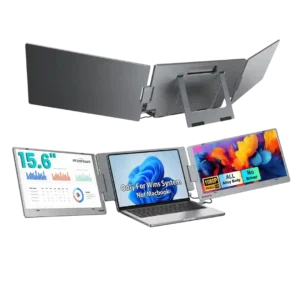
Overall: 4.2/5
Aspect-ratio control has one mixed customer assessment. The adjustment is said to need work, though the reviewer also says it can be worked around.
Pros: overall satisfaction, portability and weight
Cons: reliability over time
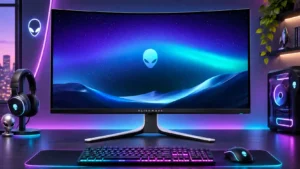
Overall: 3.6/5
The standard 16:9 shape works naturally with consoles and most games. Ultrawide fans may miss the extra horizontal field of view.
Pros: overall satisfaction, brightness
Cons: Dolby Vision support, VRR flicker
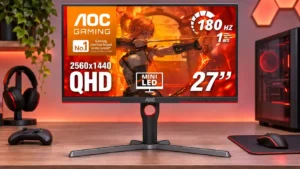
Overall: 3.9/5
Some HDMI users report difficulty getting full-height 4:3 output at certain legacy resolutions, with smaller windowboxed images instead.
Pros: value for money, HDR performance
Cons: on-screen display usability, port selection