
Overall: 4.2/5
The B5 follows HDR brightness targets accurately and rolls off highlights gracefully rather than blowing out detail.
Pros: value for money, color accuracy
Cons: HDR brightness, reflection handling

Overall: 4.2/5
The B5 follows HDR brightness targets accurately and rolls off highlights gracefully rather than blowing out detail.
Pros: value for money, color accuracy
Cons: HDR brightness, reflection handling
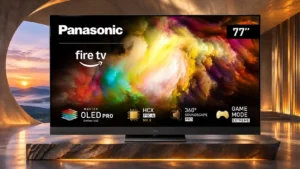
Overall: 4.0/5
HDR brightness levels generally follow the intended mastering very closely while preserving highlight information.
Pros: overall satisfaction, picture quality
Cons: size options, value for money
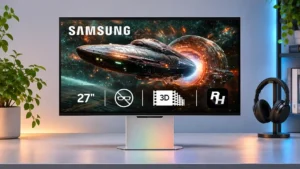
Overall: 3.7/5
In ordinary HDR gaming, tone mapping can render colors and scene brightness convincingly. Dynamic mapping is a useful option for getting more from HDR10 material.
Pros: glasses-free 3D quality, AI 2D-to-3D conversion
Cons: 3D compatible game library, value for money
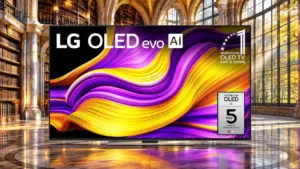
Overall: 4.2/5
The G5 generally tracks HDR intent closely, with slightly elevated midtones and controlled highlight roll-off. Panasonic's Z95B is sometimes preferred for stricter reference accuracy.
Pros: overall satisfaction, picture quality
Cons: banding control, remote control quality

Overall: 4.3/5
Its default tone mapping follows creative intent closely and preserves highlight gradation; increasing luminance can visibly compromise accuracy.
Pros: picture quality, color accuracy
Cons: bass performance, HDMI 2.1 port count

Overall: 3.9/5
The television follows HDR luminance targets closely in its accurate modes, preserving details as scenes approach the brightness ceiling. Game HDR settings have had firmware-specific issues.
Pros: color volume, black levels
Cons: Inconsistent panel and coating by size, sound quality
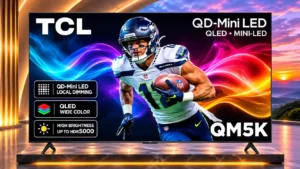
Overall: 3.6/5
Brightness tracking follows intended HDR levels very closely, one of the QM5K's clearest technical strengths.
Pros: black levels, picture quality
Cons: HDR performance, blooming control

Overall: 4.2/5
Automatic HGiG-related behavior and generally accurate HDR tracking help preserve intended highlight detail. Different HDR modes still trade peak brightness for stable large-area output.
Pros: HDR performance, DisplayPort connectivity
Cons: value for money, brightness

Overall: 4.2/5
Movie HDR tracking is often accurate, though dark details and midtones can vary by mode; game HDR calibration became less reliable after firmware changes.
Pros: picture quality, glare resistance
Cons: value for money, bass performance

Overall: 3.4/5
Tone tracking is surprisingly faithful for moderately bright HDR scenes, with a smooth highlight roll-off, yet hardware limits cap the final effect.
Pros: picture quality, value for money
Cons: viewing angles, HDR performance

Overall: 4.0/5
Sony's tone mapping generally follows intended luminance well, particularly in accurate presets, though some modes introduce raised blacks or clipped highlights.
Pros: picture quality, black levels
Cons: HDR brightness, value for money

Overall: 4.0/5
HDR tone mapping accuracy receives a qualified response, and its usefulness depends on the specific setup or viewing preferences.
Pros: value for money, overall satisfaction
Cons: Remote control usability, sound quality

Overall: 4.0/5
The QM6K generally preserves highlight detail and follows HDR brightness intent respectably, with small deviations across the range.
Pros: color accuracy, picture quality
Cons: HDR brightness, peak brightness

Overall: 4.0/5
HDR tracking is generally strong with appropriate settings, but there are occasional clipping, luminance and firmware-related compromises.
Pros: reflection handling, overall satisfaction
Cons: Dolby Vision support, bass performance
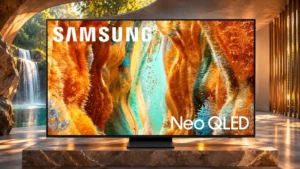
Overall: 3.8/5
Many ordinary HDR tones track well, but dark detail and the lack of working HGiG complicate ideal game brightness.
Pros: picture quality, 4K at 144 Hz support
Cons: sound quality, value for money

Overall: 4.2/5
HDR brightness tracking is usually steady, with convincing near-black and highlight information. A few dark midtones remain lower than ideal.
Pros: high-refresh-rate gaming, gaming performance
Cons: value for money, bass performance
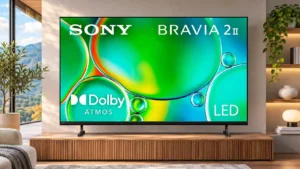
Overall: 3.6/5
Sony's highlight roll-off helps preserve detail even when the panel is dim, while HDR color and tracking can require adjustment.
Pros: picture quality, overall satisfaction
Cons: sound quality, reliability
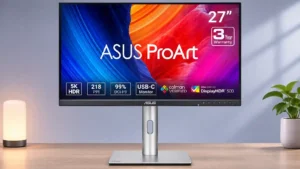
Overall: 4.1/5
The PQ Optimized setting offers credible tone mapping within the screen's limited luminance range, but it cannot overcome the hardware's contrast ceiling.
Pros: value for money, Resolution
Cons: HDR performance, refresh rate
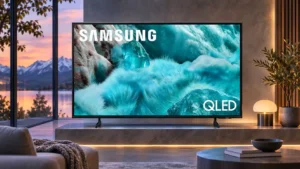
Overall: 3.0/5
HDR brightness tracking was reasonably accurate through much of the curve, despite elevated shadows and the separate problem of low maximum brightness.
Pros: color gamut, smart TV platform
Cons: value for money, overall satisfaction
Overall: 3.8/5
The HDR tracking curve is notably accurate in the important near-black range, although peak highlights can run slightly brighter than intended.
Pros: glare resistance, overall satisfaction
Cons: input lag, value for money
Overall: 3.3/5
HDR brightness tracking is reasonably faithful in many scenes, but the dim panel and raised near-black areas keep it from full accuracy.
Pros: color accuracy, upscaling quality
Cons: picture quality, sound quality
Overall: 3.9/5
The HDR brightness curve is generally very well controlled, but Active tone mapping and some default game settings can prioritize impact over accuracy.
Pros: value for money, overall satisfaction
Cons: Dolby Vision support, sound quality
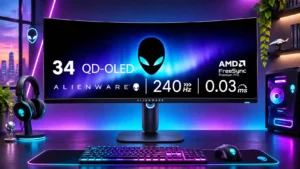
Overall: 4.2/5
Some HDR profiles track intended luminance closely; Peak 1000 can trade accuracy in bright scenes for stronger highlights in darkness.
Pros: refresh rate, HDR performance
Cons: reflection handling, Text fringing

Overall: 3.9/5
HDR generally looks punchy, but luminance tracking can move above and below the intended curve. Picture-mode and calibration choices make a meaningful difference.
Pros: peak brightness, value for money
Cons: reflection handling, glare resistance
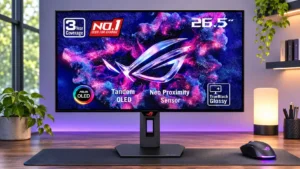
Overall: 4.4/5
The more accurate HDR modes follow intended brightness closely, while maximum-output configurations can raise midtones in certain scenes.
Pros: overall satisfaction, response time
Cons: reflection handling, VRR flicker

Overall: 3.8/5
Movie-mode tone mapping is reasonably controlled, while game-mode brightness and shadow mapping can stray from the intended image.
Pros: overall satisfaction, picture quality
Cons: value for money, local dimming performance
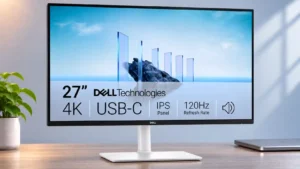
Overall: 4.2/5
The HDR tracking follows its intended curve reasonably well, but modest peak brightness prevents dynamic highlights.
Pros: value for money, Resolution
Cons: port selection, competitive gaming suitability
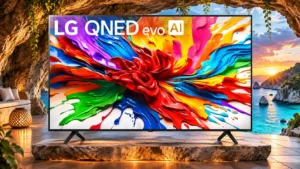
Overall: 3.9/5
HDR follows the intended luminance curve reasonably well, though some midtones are too dark and clips may be truncated at peak brightness.
Pros: gaming performance, overall satisfaction
Cons: sound quality, value for money
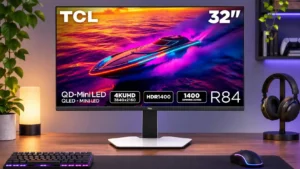
Overall: 4.2/5
HDR reproduction is impressive overall, but preset tone curves differ substantially and some options exaggerate highlights or wash out the image.
Pros: brightness, HDR performance
Cons: speaker quality, built-in speakers
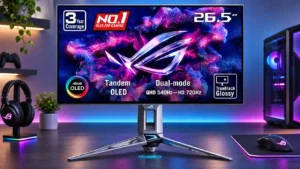
Overall: 4.3/5
Default HDR modes can track content closely, but turning brightness up can overbrighten highlights, while other modes roll off or darken details.
Pros: black levels, motion clarity
Cons: value for money, Dual-mode versatility
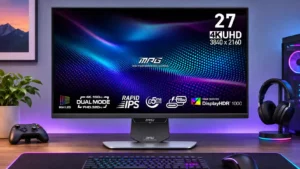
Overall: 4.0/5
HDR follows its brightness target fairly well, but some scenes are overbright and low-luminance colors can shift cool.
Pros: Dual-mode versatility, refresh rate
Cons: black levels, contrast
Overall: 3.3/5
HDR midtones track fairly well, but dark detail is lifted and peak highlights are constrained.
Pros: picture quality, motion handling
Cons: HDR performance, HDR brightness
Overall: 3.9/5
Tone tracking is adequate through much of the range, although raised blacks prevent a faithful dark-scene presentation.
Pros: overall satisfaction, picture quality
Cons: Weight and handling, black levels
Overall: 3.0/5
HDR tone tracking follows intended brightness fairly well until the panel reaches its limited peak.
Pros: color accuracy, Picture detail
Cons: HDR performance, motion clarity
Overall: 3.9/5
Midtones are close enough for casual viewing, yet clipping at peak brightness removes subtle detail in bright HDR scenes.
Pros: picture quality, contrast ratio
Cons: HDR performance, motion handling
Overall: 4.2/5
HDR EOTF tracking is mostly consistent but somewhat too bright in darker content, limiting strict accuracy.
Pros: HDR performance, overall satisfaction
Cons: HDR highlight detail, color accuracy
Overall: 4.0/5
HDR tracking varies substantially by mode; the conservative preset is generally more faithful, while high-output options alter highlight or midtone levels.
Pros: brightness, contrast
Cons: Text fringing, speaker quality

Overall: 4.2/5
True Black tends to track intended brightness more closely, while punchier modes can raise midtones and crush highlights or shadow gradations.
Pros: overall satisfaction, black levels
Cons: reflection handling, Color brightness
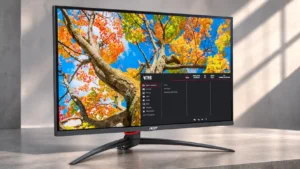
Overall: 3.5/5
Dark midtones and an early highlight rolloff can make HDR less faithful than expected.
Pros: HDR performance, overall satisfaction
Cons: local dimming performance, Blooming control
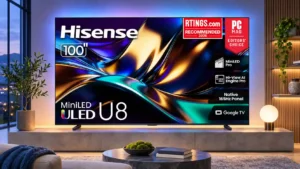
Overall: 4.1/5
HDR brightness is contentious: some calibrations look very accurate, while other testing finds conspicuous over-brightening and crushed nuances.
Pros: peak brightness, HDR brightness
Cons: sound quality, viewing angles
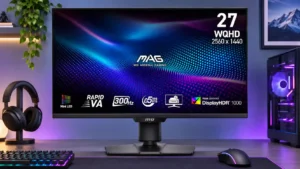
Overall: 3.9/5
HDR tone tracking is acceptable in some modes but can lift midtones, shift color temperature or clip bright detail depending on the scene.
Pros: HDR performance, black levels
Cons: viewing angles, response time
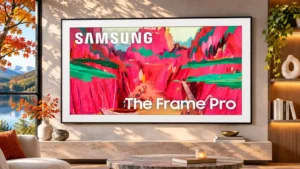
Overall: 3.8/5
Midtones can follow the intended HDR curve reasonably well, while raised near-blacks, clipping, and questionable game settings leave accuracy mixed.
Pros: Wireless One Connect compatibility, art display mode
Cons: value for money, input lag
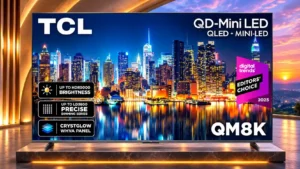
Overall: 4.0/5
Technical HDR accuracy is imperfect, with EOTF deviations and some clipped highlights despite the TV’s impressive brightness.
Pros: peak brightness, picture quality
Cons: HDMI 2.1 port count, reflection handling
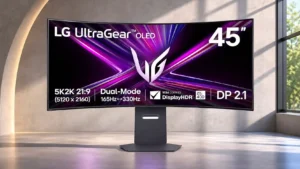
Overall: 4.1/5
HDR tone mapping is a recurring compromise: the most accurate mode caps peak highlights, while brighter modes over-lift darker areas. Console calibration and source-based tone mapping are additional concerns.
Pros: Resolution, overall satisfaction
Cons: value for money, GPU demands

Overall: 3.9/5
HDR tracking can raise highlights too much, crush shadows and deviate from intended brightness. This is one of the biggest concerns for film purists.
Pros: peak brightness, overall satisfaction
Cons: value for money, shadow detail
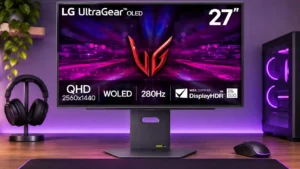
Overall: 3.6/5
HDR tracking is among the biggest drawbacks: modes often brighten the whole image or crush shadows, and adjustments can trade accuracy against spectacular highlights.
Pros: reflection handling, HDR performance
Cons: screen uniformity, Screen coating clarity

Overall: 4.1/5
Tone mapping is imperfect: bright details can clip, while higher peak-brightness settings change darker-scene rendering.
Pros: overall satisfaction, value for money
Cons: reflection handling, screen uniformity

Overall: 4.2/5
Some scenes look spectacular, but dynamic processing can change brightness too aggressively or leave other parts too dark. Manual settings may produce a more consistent image.
Pros: reflection handling, color gamut
Cons: value for money, brightness

Overall: 3.6/5
Aggressive HDR settings overbrighten scenes and deviate from the intended luminance curve. More restrained modes sacrifice some brightness or black-depth control.
Pros: refresh rate, Dual-mode versatility
Cons: motion clarity, black levels
Overall: 3.0/5
HDR tracking is uneven: midtones fare better than shadows, while the brightest details clip abruptly.
Pros: viewing angles, smart TV platform
Cons: overall satisfaction, refresh rate