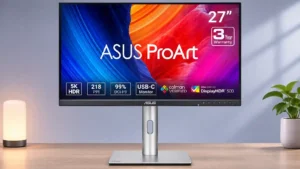
Overall: 4.1/5
The native 6K resolution maps neatly to macOS's 2× scaling, retaining sharp UI elements. Windows scaling also works well with suitable hardware.
Pros: value for money, Resolution
Cons: HDR performance, refresh rate

Overall: 4.1/5
The native 6K resolution maps neatly to macOS's 2× scaling, retaining sharp UI elements. Windows scaling also works well with suitable hardware.
Pros: value for money, Resolution
Cons: HDR performance, refresh rate
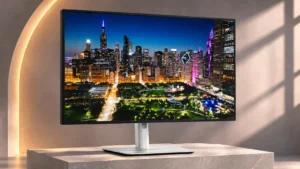
Overall: 4.2/5
Mac-style 3008-by-1962 scaling can create a practical single-screen workspace on the large panel without sacrificing legibility.
Pros: port selection, overall satisfaction
Cons: value for money, competitive gaming suitability
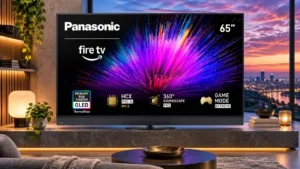
Overall: 4.3/5
Older HD movie transfers retain a pleasingly film-like appearance rather than becoming oversharpened or artificially smooth.
Pros: picture quality, color accuracy
Cons: bass performance, HDMI 2.1 port count
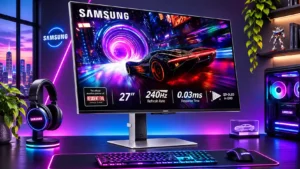
Overall: 4.2/5
Lower-than-4K material generally scales cleanly and can be sharpened to taste. Pre-480p sources are a notable exception.
Pros: reflection handling, color gamut
Cons: value for money, brightness
Overall: 3.0/5
The zoom and position controls can expand older low-resolution or non-widescreen clips to fill the display.
Pros: picture quality, smart TV platform
Cons: value for money, refresh rate
Overall: 4.0/5
Small text and fine details survive scaling well, helping lower-resolution sources avoid a soft appearance.
Pros: picture quality, black levels
Cons: HDR brightness, value for money

Overall: 4.2/5
The picture processor makes an effective bridge between common 4K material and the screen's much higher pixel count. Fine detail generally stays natural rather than exaggerated.
Pros: high-refresh-rate gaming, gaming performance
Cons: value for money, bass performance
Overall: 3.9/5
Console Mode accepts 4K input and downscales it to the 1440p panel, helping compatibility with current consoles.
Pros: HDR performance, black levels
Cons: viewing angles, response time
Overall: 3.9/5
Upscaled imagery is usually crisp and readable, with good enhancement of shapes and text.
Pros: gaming performance, overall satisfaction
Cons: sound quality, value for money
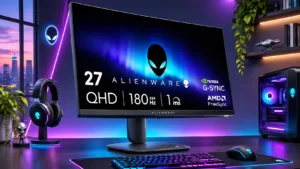
Overall: 4.0/5
It can accept a 4K/60Hz console feed and display it on the native QHD panel, which adds flexibility but not true 4K resolution.
Pros: overall satisfaction, refresh rate
Cons: HDR performance, HDMI 2.1 support
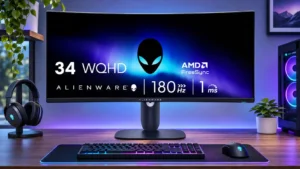
Overall: 3.7/5
Console 4K signals can be downscaled for more detail at 60Hz, but the panel does not provide native ultrawide console output.
Pros: ultrawide gaming experience, black levels
Cons: HDR performance, viewing angles
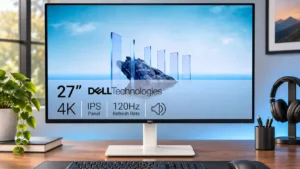
Overall: 3.8/5
Lower-than-native resolutions remain usable and can be sharpened, although QHD monitor-side scaling is limited to 60Hz and looks softer than 4K.
Pros: value for money, Resolution
Cons: port selection, HDR performance
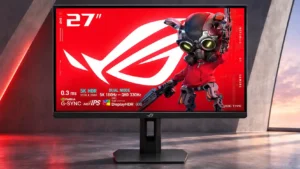
Overall: 4.1/5
Non-native content generally upscales cleanly, but the 1440p high-speed mode can look softer or more pixelated than true native QHD to some eyes.
Pros: Pixel density, Resolution
Cons: GPU demands, HDR performance
Overall: 4.2/5
Mac users can find 4K scaling slightly less crisp than native 5K. Third-party scaling controls help tailor interface sizes, but do not eliminate the underlying tradeoff.
Pros: port selection, USB hub functionality
Cons: competitive gaming suitability, motion clarity
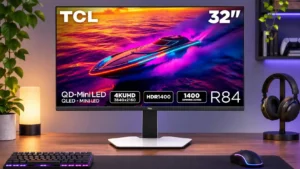
Overall: 4.2/5
An option to disable display-stream compression gives enthusiasts flexibility for specialized custom-resolution workflows, at the cost of lower refresh limits.
Pros: brightness, HDR performance
Cons: speaker quality, built-in speakers
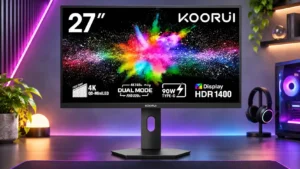
Overall: 4.2/5
The 1080p/320Hz image is playable rather than perfectly pixel-mapped; gradient and fine-detail artifacts appear more noticeable in slower games.
Pros: HDR performance, overall satisfaction
Cons: HDR highlight detail, color accuracy
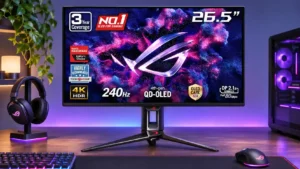
Overall: 4.4/5
4K at 27 inches benefits from careful Windows or application scaling; small text and inconsistent software rendering can complicate otherwise crisp desktop use.
Pros: sharpness, overall satisfaction
Cons: value for money, VRR flicker
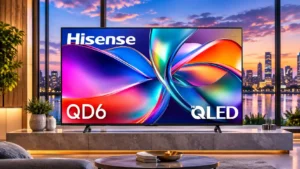
Overall: 3.0/5
Scaled sources are mostly readable, but text can look a little soft.
Pros: color accuracy, Picture detail
Cons: HDR performance, motion clarity
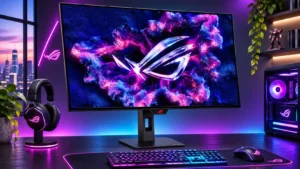
Overall: 4.2/5
Native 4K looks excellent, but stretching 1080p across 32 inches can make small text and distant objects blocky or soft.
Pros: overall satisfaction, black levels
Cons: reflection handling, Color brightness
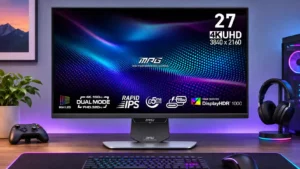
Overall: 4.0/5
1080p remains usable for fast games and sometimes compares well with other dual-mode screens, but it cannot match crisp native 4K.
Pros: Dual-mode versatility, refresh rate
Cons: black levels, contrast
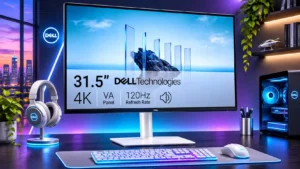
Overall: 3.7/5
Windows scaling can make small 4K text comfortable; one dissatisfied user found some scaled resolutions noticeably blurry.
Pros: value for money, Resolution
Cons: stand adjustability, viewing angles
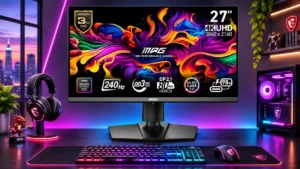
Overall: 4.2/5
Some non-native modes look reasonable with gentle sharpness, but aggressive image-enhancement settings create ugly oversharpening.
Pros: HDR performance, DisplayPort connectivity
Cons: value for money, brightness
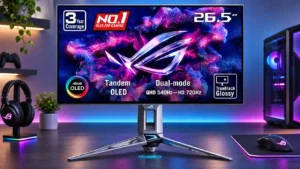
Overall: 4.3/5
The 720p boosted mode looks soft, while some pixel-mapping choices behave inconsistently with Windows timing.
Pros: black levels, motion clarity
Cons: value for money, Dual-mode versatility
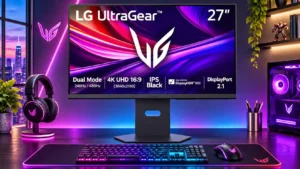
Overall: 3.6/5
Native 4K is razor sharp, while the 1080p high-speed mode is conspicuously softer for text. Lower-resolution game signals can look decent with measured sharpening.
Pros: refresh rate, Dual-mode versatility
Cons: motion clarity, black levels
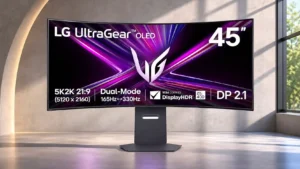
Overall: 4.1/5
Lower-resolution modes look much softer than native 5K2K, and the smaller simulated screen sizes suffer particularly poor scaling. Smoother 330Hz motion does not always make up for the loss of...
Pros: Resolution, overall satisfaction
Cons: value for money, GPU demands
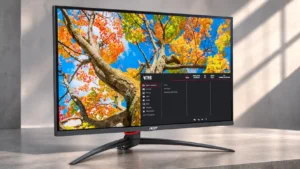
Overall: 3.5/5
Full resolution yields exceptional clarity, while the 1080p speed mode looks visibly softer.
Pros: HDR performance, overall satisfaction
Cons: local dimming performance, Blooming control
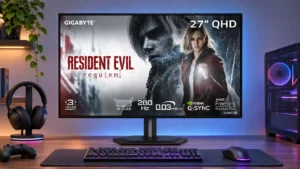
Overall: 4.0/5
Scaling lower-resolution signals is serviceable but not always sharp; the strongest enhancement settings can look artificially processed.
Pros: brightness, contrast
Cons: Text fringing, speaker quality
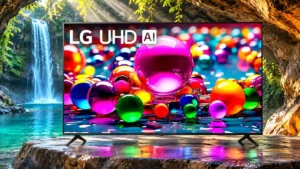
Overall: 3.0/5
Soft scaling can make fine lines and small text harder to make out.
Pros: viewing angles, smart TV platform
Cons: overall satisfaction, refresh rate
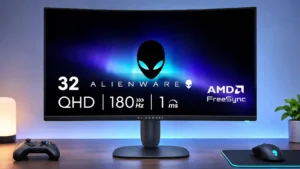
Overall: 4.1/5
Custom scaled resolutions above 60Hz reportedly trigger frame skipping, limiting flexibility for unusual display modes.
Pros: value for money, overall satisfaction
Cons: HDR performance, Headphone output quality