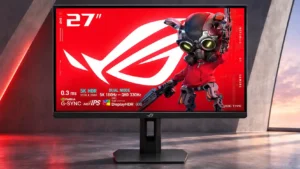
Overall: 4.1/5
ASUS's motion-blur reduction is praised for crisp movement without the severe brightness loss associated with many older strobing systems.
Pros: Pixel density, Resolution
Cons: GPU demands, HDR performance

Overall: 4.1/5
ASUS's motion-blur reduction is praised for crisp movement without the severe brightness loss associated with many older strobing systems.
Pros: Pixel density, Resolution
Cons: GPU demands, HDR performance
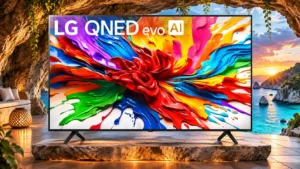
Overall: 3.9/5
The optional motion-blur reduction mode has precise timing at 60Hz and 120Hz without obvious image duplication.
Pros: gaming performance, overall satisfaction
Cons: sound quality, value for money

Overall: 4.2/5
Backlight strobing can sharpen moving targets for some gamers, but it dims the image and its effective refresh support is disputed across assessments.
Pros: high-refresh-rate gaming, gaming performance
Cons: value for money, bass performance
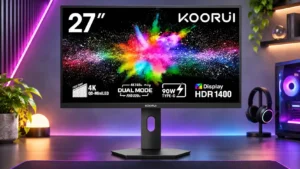
Overall: 4.2/5
DIC can make moving objects clearer with little crosstalk, but it requires VRR off and resets brightness and overdrive settings.
Pros: HDR performance, overall satisfaction
Cons: HDR highlight detail, color accuracy
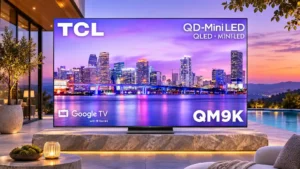
Overall: 3.9/5
Backlight strobing supports both 60Hz and 120Hz, providing a useful motion-clarity option at two common refresh rates.
Pros: peak brightness, overall satisfaction
Cons: value for money, shadow detail
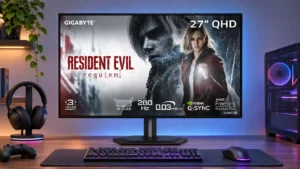
Overall: 4.0/5
The Ultra Clear black-frame mode improves perceived sharpness at 120Hz, but it cannot be combined with VRR or HDR and carries brightness and flicker compromises.
Pros: brightness, contrast
Cons: Text fringing, speaker quality
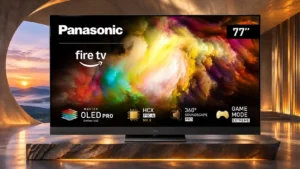
Overall: 4.0/5
The optional black-frame-insertion feature can sharpen motion, but its unusual implementation raises questions about how much it changes the picture.
Pros: overall satisfaction, picture quality
Cons: size options, value for money

Overall: 3.8/5
Strobing can improve motion definition, but it is limited to 60Hz and may darken the image.
Pros: picture quality, 4K at 144 Hz support
Cons: sound quality, value for money
Overall: 4.2/5
Black-frame insertion helps reduce persistence blur, but it is restricted to 60Hz and can interfere with judder handling.
Pros: value for money, color accuracy
Cons: HDR brightness, reflection handling
Overall: 4.2/5
Backlight strobing is a weak spot, with the chief limitation affecting normal use.
Pros: overall satisfaction, picture quality
Cons: banding control, remote control quality

Overall: 3.9/5
Optional black-frame insertion helps persistence blur but operates only at 60Hz.
Pros: color volume, black levels
Cons: Inconsistent panel and coating by size, sound quality
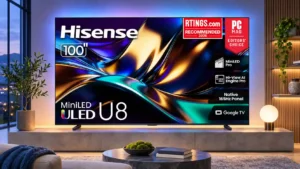
Overall: 4.1/5
Motion Clearness offers limited help with blur, but testing found image duplication or a dimmer picture at aggressive settings.
Pros: peak brightness, HDR brightness
Cons: sound quality, viewing angles
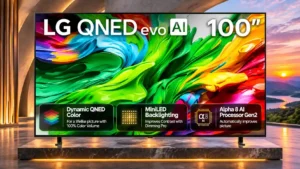
Overall: 3.7/5
Black frame insertion clears some motion blur at 60Hz and 120Hz, but visible image duplication limits the improvement.
Pros: picture quality, maximum volume
Cons: sound quality, bass performance

Overall: 4.0/5
Backlight strobing is a notable compromise, with weaknesses more apparent in demanding material or setups.
Pros: color accuracy, picture quality
Cons: HDR brightness, peak brightness
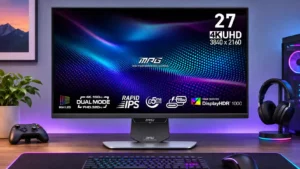
Overall: 4.0/5
MPRT can sharpen moving objects, but doubled edges, locked brightness and disabled VRR make it an awkward tradeoff.
Pros: Dual-mode versatility, refresh rate
Cons: black levels, contrast
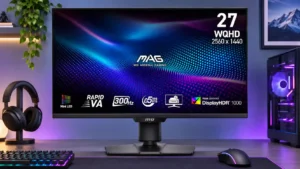
Overall: 3.9/5
MPRT makes tracked motion sharper but locks brightness, disables VRR and may introduce discomfort or strobe artifacts. It is a situational option rather than an unrestricted upgrade.
Pros: HDR performance, black levels
Cons: viewing angles, response time
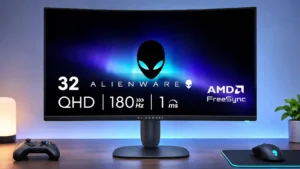
Overall: 4.1/5
There is no MPRT strobing option, a missed opportunity for reducing the smearing visible during very fast gameplay.
Pros: value for money, overall satisfaction
Cons: HDR performance, Headphone output quality
Overall: 3.9/5
There is no optional black-frame insertion feature to help clear persistent motion blur.
Pros: overall satisfaction, picture quality
Cons: Weight and handling, black levels
Overall: 3.0/5
Backlight strobing is available, but 60Hz flicker and duplicated images undermine its motion-clearing usefulness.
Pros: color gamut, smart TV platform
Cons: value for money, overall satisfaction
Overall: 4.2/5
Black-frame insertion can improve clarity at 60Hz, but a 120Hz game-mode bug can force it on when VRR is disabled.
Pros: picture quality, glare resistance
Cons: value for money, bass performance
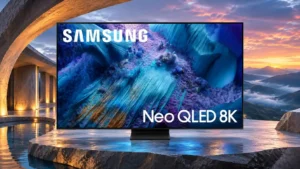
Overall: 3.8/5
Black-frame insertion is present, but its restriction to 60Hz makes it less flexible for fast-refresh gaming.
Pros: glare resistance, overall satisfaction
Cons: input lag, value for money

Overall: 4.0/5
Optional black-frame insertion may sharpen motion at 60Hz, but flicker and a loss of brightness make it a conditional choice.
Pros: reflection handling, overall satisfaction
Cons: Dolby Vision support, bass performance

Overall: 3.3/5
Black-frame insertion produces distracting image duplication and flicker, limiting its usefulness for cleaning up motion.
Pros: color accuracy, upscaling quality
Cons: picture quality, sound quality
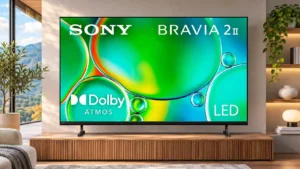
Overall: 3.6/5
The optional blur-reduction mode produces duplicated images with 60 fps video, limiting how useful this feature is in practice.
Pros: picture quality, overall satisfaction
Cons: sound quality, reliability
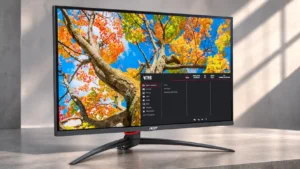
Overall: 3.5/5
The lack of a strobing mode leaves some blur at lower refresh rates without an optional blur-reduction workaround.
Pros: HDR performance, overall satisfaction
Cons: local dimming performance, Blooming control
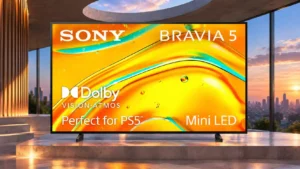
Overall: 4.0/5
Black-frame insertion is poorly executed, with image duplication or unusual flicker patterns undermining its usefulness.
Pros: picture quality, black levels
Cons: HDR brightness, value for money

Overall: 3.8/5
The 60Hz-only strobing option produces an objectionable double image, limiting its usefulness for clearer motion.
Pros: overall satisfaction, picture quality
Cons: value for money, local dimming performance
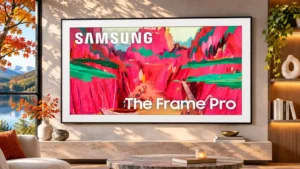
Overall: 3.8/5
Its strobing mode initially sharpens moving images, then timing drift produces distracting double images.
Pros: Wireless One Connect compatibility, art display mode
Cons: value for money, input lag

Overall: 3.0/5
Black-frame insertion suffers from mistimed pulses that create duplicate images instead of clearer motion.
Pros: picture quality, smart TV platform
Cons: value for money, refresh rate