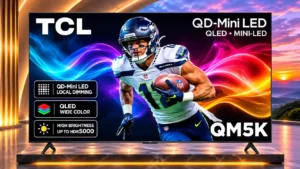
Overall: 3.6/5
Brightness tracking follows intended HDR levels very closely, one of the QM5K's clearest technical strengths.
Pros: black levels, picture quality
Cons: HDR performance, blooming control

Overall: 3.6/5
Brightness tracking follows intended HDR levels very closely, one of the QM5K's clearest technical strengths.
Pros: black levels, picture quality
Cons: HDR performance, blooming control

Overall: 3.4/5
Tone tracking is surprisingly faithful for moderately bright HDR scenes, with a smooth highlight roll-off, yet hardware limits cap the final effect.
Pros: picture quality, value for money
Cons: viewing angles, HDR performance

Overall: 4.0/5
The QM6K generally preserves highlight detail and follows HDR brightness intent respectably, with small deviations across the range.
Pros: color accuracy, picture quality
Cons: HDR brightness, peak brightness

Overall: 3.9/5
HDR generally looks punchy, but luminance tracking can move above and below the intended curve. Picture-mode and calibration choices make a meaningful difference.
Pros: peak brightness, value for money
Cons: reflection handling, glare resistance
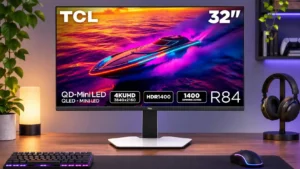
Overall: 4.2/5
HDR reproduction is impressive overall, but preset tone curves differ substantially and some options exaggerate highlights or wash out the image.
Pros: brightness, HDR performance
Cons: speaker quality, built-in speakers
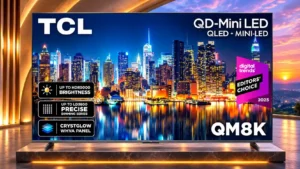
Overall: 4.0/5
Technical HDR accuracy is imperfect, with EOTF deviations and some clipped highlights despite the TV’s impressive brightness.
Pros: peak brightness, picture quality
Cons: HDMI 2.1 port count, reflection handling
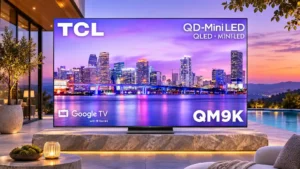
Overall: 3.9/5
HDR tracking can raise highlights too much, crush shadows and deviate from intended brightness. This is one of the biggest concerns for film purists.
Pros: peak brightness, overall satisfaction
Cons: value for money, shadow detail