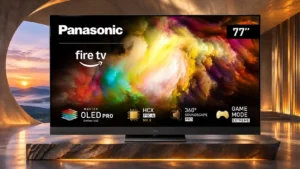
Overall: 4.0/5
PS5 and Xbox support is comprehensive, with 4K/120Hz, VRR and responsive game-mode performance.
Pros: overall satisfaction, picture quality
Cons: size options, value for money

Overall: 4.0/5
PS5 and Xbox support is comprehensive, with 4K/120Hz, VRR and responsive game-mode performance.
Pros: overall satisfaction, picture quality
Cons: size options, value for money

Overall: 3.9/5
The S85F is a strong match for PS5 and Xbox thanks to 4K/120Hz, VRR, ALLM and extremely low latency.
Pros: color volume, black levels
Cons: Inconsistent panel and coating by size, sound quality

Overall: 4.2/5
Current consoles take advantage of low lag, 4K/120Hz and excellent scaling. Dolby Vision gaming is absent and 60Hz transitions are not best in class.
Pros: high-refresh-rate gaming, gaming performance
Cons: value for money, bass performance
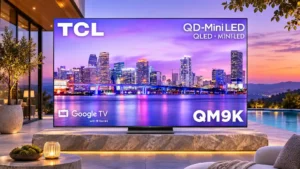
Overall: 3.9/5
The latest consoles enjoy strong HDR, sharp high-refresh images and low lag. The platform also leaves room for two modern gaming devices.
Pros: peak brightness, overall satisfaction
Cons: value for money, shadow detail
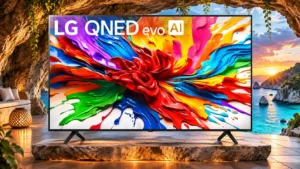
Overall: 3.9/5
A strong match for PS5 and Xbox players, with 4K/120Hz, VRR, and lots of input flexibility. Fast action generally feels immediate and fluid.
Pros: gaming performance, overall satisfaction
Cons: sound quality, value for money

Overall: 3.8/5
Modern consoles benefit from 4K/120Hz, VRR, low lag and convenient controls, but fast-motion clarity is not top tier.
Pros: picture quality, 4K at 144 Hz support
Cons: sound quality, value for money

Overall: 4.2/5
The B5 suits PS5 and Xbox gaming exceptionally well thanks to 4K/120Hz, VRR, Dolby Vision gaming support and quick response.
Pros: value for money, color accuracy
Cons: HDR brightness, reflection handling
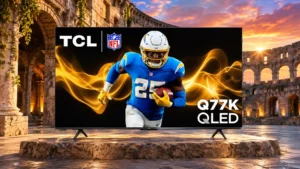
Overall: 3.4/5
The PS5 and Xbox benefit from 4K/120Hz, VRR and low latency, but their HDR games look flatter than on better Mini LED displays.
Pros: picture quality, value for money
Cons: viewing angles, HDR performance
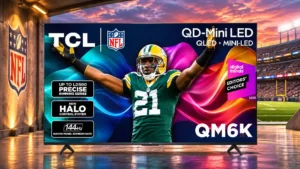
Overall: 4.0/5
PS5 and Xbox owners gain 4K/120Hz, VRR and low-latency support with appealing contrast.
Pros: color accuracy, picture quality
Cons: HDR brightness, peak brightness
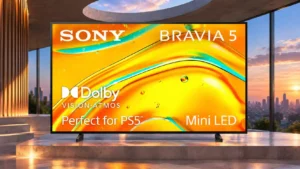
Overall: 4.0/5
PS5 and Xbox gaming generally feels smooth, lively and responsive at 4K120. The limited port allocation and less-than-OLED motion response temper the endorsement.
Pros: picture quality, black levels
Cons: HDR brightness, value for money

Overall: 3.8/5
Modern consoles benefit from 4K/120Hz, VRR, ALLM and responsive controls; faster games may reveal blurry dark transitions, especially on the 100-inch panel.
Pros: overall satisfaction, picture quality
Cons: value for money, local dimming performance
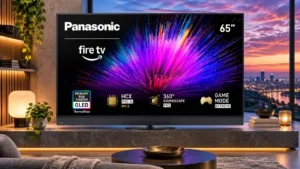
Overall: 4.3/5
PS5 and Xbox titles feel responsive and vibrant with 4K/120Hz and VRR, while only two full-bandwidth HDMI inputs restrict elaborate setups.
Pros: picture quality, color accuracy
Cons: bass performance, HDMI 2.1 port count

Overall: 4.2/5
PS5 and Xbox users get responsive 4K/120Hz play, VRR, and automatic low-latency handling; Dolby Vision gaming is especially useful on Xbox.
Pros: overall satisfaction, picture quality
Cons: banding control, remote control quality
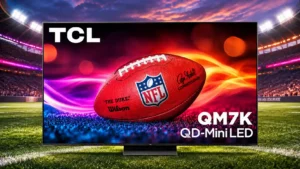
Overall: 3.9/5
The TV is particularly suitable for modern consoles thanks to 4K/120, VRR, low latency, and vivid HDR.
Pros: peak brightness, value for money
Cons: reflection handling, glare resistance
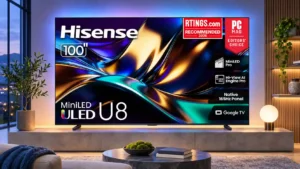
Overall: 4.1/5
PlayStation and Xbox compatibility is broad and latency is low, making it a strong console TV even if some fast transitions appear blurry.
Pros: peak brightness, HDR brightness
Cons: sound quality, viewing angles
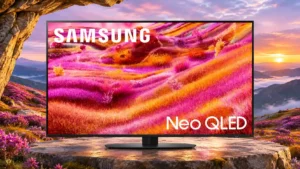
Overall: 4.2/5
PS5 and Xbox connections support fast refresh and low latency, but slower pixel and backlight transitions can detract from fast action.
Pros: picture quality, glare resistance
Cons: value for money, bass performance
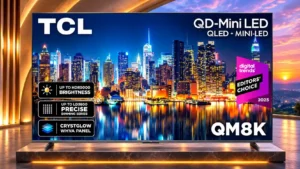
Overall: 4.0/5
Modern PlayStation and Xbox consoles can use 4K/120Hz, VRR, and automatic low-latency mode with the right HDMI input.
Pros: peak brightness, picture quality
Cons: HDMI 2.1 port count, reflection handling
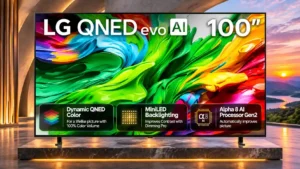
Overall: 3.7/5
Multiple HDMI 2.1 ports, 4K/120Hz and low-latency switching suit modern consoles, but dark-game motion smearing and missing Dolby Vision gaming are drawbacks.
Pros: picture quality, maximum volume
Cons: sound quality, bass performance
Overall: 3.9/5
4K/120 Hz inputs, VRR, and low latency serve modern consoles extremely well; Xbox Dolby Vision gaming is unavailable.
Pros: value for money, overall satisfaction
Cons: Dolby Vision support, sound quality

Overall: 4.0/5
PlayStation and Xbox users get 4K/120Hz, VRR, sharp motion and low lag; Dolby Vision gaming remains unavailable.
Pros: reflection handling, overall satisfaction
Cons: Dolby Vision support, bass performance
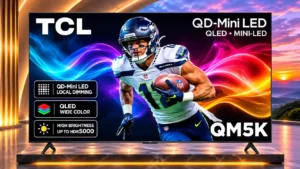
Overall: 3.6/5
Console games benefit from very low lag, VRR, and 120Hz at reduced resolution on larger models, not 4K/120Hz.
Pros: black levels, picture quality
Cons: HDR performance, blooming control
Overall: 4.0/5
Current PlayStation and Xbox consoles take full advantage of low lag, VRR and 4K/120 Hz, making the C5 a compelling couch-gaming screen.
Pros: value for money, overall satisfaction
Cons: Remote control usability, sound quality
Overall: 3.9/5
PS5 and Xbox feature compatibility is comprehensive, but pronounced blur can diminish the advantage in fast-paced play.
Pros: overall satisfaction, picture quality
Cons: Weight and handling, black levels
Overall: 3.9/5
Low input lag helps everyday console play, but dependable 4K/120Hz gaming is mainly a reason to choose the larger, HDMI 2.1-equipped sizes.
Pros: picture quality, contrast ratio
Cons: HDR performance, motion handling