#1
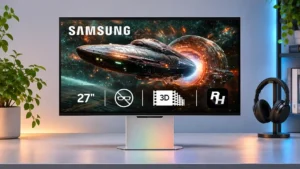
Overall: 3.7/5
In ordinary HDR gaming, tone mapping can render colors and scene brightness convincingly. Dynamic mapping is a useful option for getting more from HDR10 material.
Pros: glasses-free 3D quality, AI 2D-to-3D conversion
Cons: 3D compatible game library, value for money
#2

Overall: 3.9/5
The television follows HDR luminance targets closely in its accurate modes, preserving details as scenes approach the brightness ceiling. Game HDR settings have had firmware-specific issues.
Pros: color volume, black levels
Cons: Inconsistent panel and coating by size, sound quality
#3
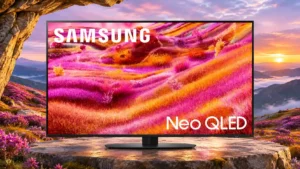
Overall: 4.2/5
Movie HDR tracking is often accurate, though dark details and midtones can vary by mode; game HDR calibration became less reliable after firmware changes.
Pros: picture quality, glare resistance
Cons: value for money, bass performance
#4

Overall: 4.0/5
HDR tracking is generally strong with appropriate settings, but there are occasional clipping, luminance and firmware-related compromises.
Pros: reflection handling, overall satisfaction
Cons: Dolby Vision support, bass performance
#5

Overall: 3.8/5
Many ordinary HDR tones track well, but dark detail and the lack of working HGiG complicate ideal game brightness.
Pros: picture quality, 4K at 144 Hz support
Cons: sound quality, value for money
#6

Overall: 4.2/5
HDR brightness tracking is usually steady, with convincing near-black and highlight information. A few dark midtones remain lower than ideal.
Pros: high-refresh-rate gaming, gaming performance
Cons: value for money, bass performance
#7
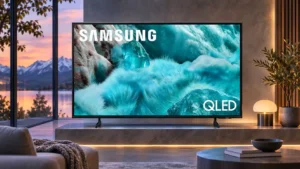
Overall: 3.0/5
HDR brightness tracking was reasonably accurate through much of the curve, despite elevated shadows and the separate problem of low maximum brightness.
Pros: color gamut, smart TV platform
Cons: value for money, overall satisfaction
#8
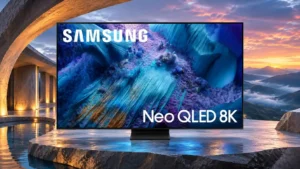
Overall: 3.8/5
The HDR tracking curve is notably accurate in the important near-black range, although peak highlights can run slightly brighter than intended.
Pros: glare resistance, overall satisfaction
Cons: input lag, value for money
#9

Overall: 3.3/5
HDR brightness tracking is reasonably faithful in many scenes, but the dim panel and raised near-black areas keep it from full accuracy.
Pros: color accuracy, upscaling quality
Cons: picture quality, sound quality
#10
Overall: 3.9/5
The HDR brightness curve is generally very well controlled, but Active tone mapping and some default game settings can prioritize impact over accuracy.
Pros: value for money, overall satisfaction
Cons: Dolby Vision support, sound quality
#11

Overall: 3.8/5
Movie-mode tone mapping is reasonably controlled, while game-mode brightness and shadow mapping can stray from the intended image.
Pros: overall satisfaction, picture quality
Cons: value for money, local dimming performance
#12
Overall: 3.8/5
Midtones can follow the intended HDR curve reasonably well, while raised near-blacks, clipping, and questionable game settings leave accuracy mixed.
Pros: Wireless One Connect compatibility, art display mode
Cons: value for money, input lag
#13
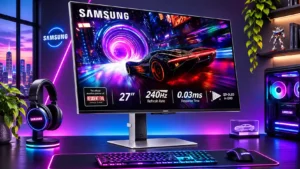
Overall: 4.2/5
Some scenes look spectacular, but dynamic processing can change brightness too aggressively or leave other parts too dark. Manual settings may produce a more consistent image.
Pros: reflection handling, color gamut
Cons: value for money, brightness
#14
Overall: 3.0/5
HDR midtones can be tracked reasonably well, but bright content is often rendered darker than intended.
Pros: picture quality, smart TV platform
Cons: value for money, refresh rate
