
If you want better SDR brightness
Choose LG QNED92A. It scores 4.5 vs 1.7 for SDR brightness, with a 3.9 overall score.

The B5 delivers true OLED blacks, richly accurate color and remarkably responsive 4K/120Hz gaming at attractive sale prices. Bright-room glare, modest HDR punch and weak built-in bass remain the key compromises.
Console gamers and movie watchers using a dim or moderately lit room, especially buyers seeking OLED picture quality at a discounted price.
People watching dark films opposite bright windows, high-end PC gamers prioritizing refresh above 120Hz, or buyers expecting theater-grade sound without a soundbar.
The LG B5 OLED delivers the qualities that make OLED appealing without demanding flagship spending: truly dark blacks, natural colors, refined detail and exceptionally responsive gaming. Four full-bandwidth HDMI 2.1 inputs, 4K at 120Hz and useful game controls make it a particularly strong match for current consoles. webOS is flexible and generally easy to navigate, although the redesigned remote removes handy buttons. The compromises become clear in bright spaces, where the reflective panel and modest HDR and SDR brightness can make darker scenes harder to see. Built-in audio handles speech reasonably well but lacks deep bass and cinematic breadth. It also brings few major picture upgrades over the B4, while discounted C-series sets can deliver a brighter image for little extra money. At the right sale price, the B5 remains a convincing value for movie nights and gaming in controlled lighting.
Compared with other TVs, this product is above average in Motion artifacts, response time, dark-room performance, near average in input lag, upscaling quality, below average in burn-in resistance, 4K at 144 Hz support, Dolby Atmos support.
| Attribute | This product | Category average | Difference |
|---|---|---|---|
| Motion artifacts | 5.0 | 2.2 | +2.8 |
| response time | 5.0 | 2.5 | +2.5 |
| burn-in resistance | 2.0 | 4.4 | -2.4 |
| 4K at 144 Hz support | 2.0 | 4.2 | -2.2 |
| dark-room performance | 5.0 | 3.1 | +1.9 |
| motion clarity | 5.0 | 3.0 | +2.0 |
| Dolby Atmos support | 2.0 | 4.0 | -2.0 |
| local dimming performance | 5.0 | 3.1 | +1.9 |
Choose LG QNED92A. It scores 4.5 vs 1.7 for SDR brightness, with a 3.9 overall score.
Choose LG C6H OLED. It scores 5.0 vs 2.1 for HDR brightness, with a 4.1 overall score.
Choose Hisense U8QG. It scores 4.8 vs 1.5 for HDMI port accessibility, with a 4.1 overall score.
Choose Samsung QN80H. It scores 5.0 vs 2.0 for 4K at 144 Hz support, with a 3.8 overall score.
Products reviewers directly compared with this model, grouped into quick takeaways.
Yes. It supports 4K at 120Hz, variable refresh rate and automatic low-latency mode, with very responsive gaming performance. Xbox owners also have Dolby Vision gaming support.
It can manage moderate ambient light, but its glossy screen and limited brightness make daytime glare and dark scenes a weak point.
The B5 can be a better bargain at a meaningful discount. The C5 provides considerably higher brightness and up to 144Hz for PC gaming.
They are adequate for dialogue and casual shows but light on bass and soundstage. A soundbar is recommended for a cinematic experience.
Yes, with smooth 120Hz gaming and low input lag. Power users may prefer higher 144Hz refresh, stronger daytime brightness and a more RGB-friendly text layout.
Probably not for picture quality alone. The B5 is similar to the B4, so a price comparison or a larger upgrade may make more sense.
These are a few of the reviews included in our analysis.


The 2025 LG B5 is one of the most affordable OLED TVs available. But how does it compare to its successor, the all-new LG B6? Here's...
A great OLED TV, but not the upgrade I was looking for
The LG B6 had a lot to live up to, as the B5 was one of my top OLED TVs of 2025. Putting them side by side didn't go as I expected…
LG's cheapest OLED TV goes up against one of the brand's most popular value sets in 2025 to see which is the better buy.
LG's lower-cost OLED TVs battle it out
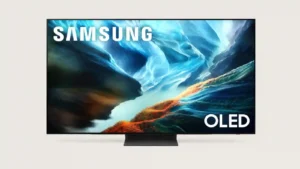
Choose the S90H for bright-room OLED viewing, deep blacks and top-tier gaming without flagship pricing. Skip it if you want Dolby Vision, a glossy screen or the simplest smart-TV software.
Pros: glare resistance, black levels
Cons: Dolby Vision support, color gamut
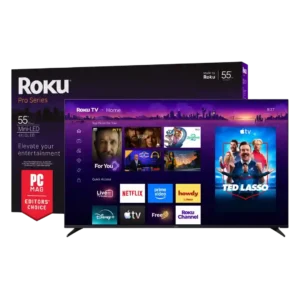
Best for bright Mini-LED picture, excellent built-in audio, easy Roku navigation, and responsive 4K/120 gaming. Skip it if you want ad-free menus, premium motion consistency, or stronger confidence in long-term...
Pros: overall satisfaction, picture quality
Cons: reliability, portability and versatility
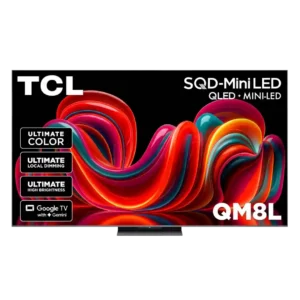
Choose the QM8L for a big, brilliantly bright TV with vivid HDR, deep mini-LED blacks, low input lag, and four HDMI 2.1 ports. Skip it if you need OLED-clean motion,...
Pros: picture quality, value for money
Cons: stand quality, judder handling

Choose the G6 for class-leading bright-room OLED picture, rich color, deep blacks and elite gaming. Skip it if you want strong built-in audio, polished launch firmware, no account sign-in, or...
Pros: picture quality, peak brightness
Cons: value for money, sound quality