If you want better input lag
Choose LG QNED92A. It scores 4.8 vs 4.3 for input lag, with a 3.9 overall score.

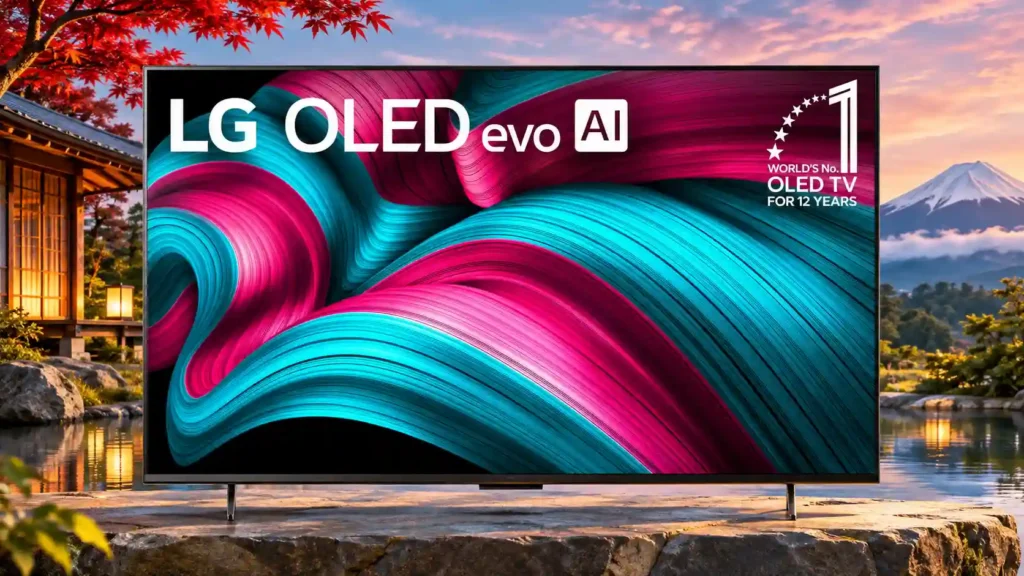
Beautiful OLED contrast, accurate color and exceptionally responsive gaming make the C5 a versatile TV. Its reflections, inconsistent built-in sound and relatively small upgrade over the C4 make discounted pricing important.
Movie lovers with some room-light control, console and PC gamers, and buyers who want premium OLED contrast without paying flagship prices—especially when the C5 is discounted.
Households with bright windows directly facing the screen, people expecting rich cinematic sound from built-in speakers, and recent C-series owners seeking a dramatic upgrade.
The LG C5 OLED delivers much of what makes premium OLED worthwhile: striking black levels, exceptional contrast, natural-looking colors, and responsive gaming with 4K at up to 144 Hz. Its four HDMI 2.1 ports and broad streaming support make it unusually flexible, while capable upscaling helps ordinary television and older movies look cleaner. The picture is brighter than the C4 in many situations, although the 42- and 48-inch sizes are less bright than the larger versions. This is not the ideal TV for a sun-soaked room with windows opposite the screen: direct reflections remain distracting for some testers. Built-in sound receives mixed judgments, and the redesigned remote loses useful shortcuts. For film lovers and gamers with some lighting control, it is an excellent choice, especially at a discount; owners of a C4 or C2 may find the improvement too incremental to warrant replacing their set.
Compared with other TVs, this product is above average in audio/video sync, HGiG game HDR calibration, response time, near average in peak brightness, sound quality, below average in smart TV platform, HDR10+ support, bezel size.
| Attribute | This product | Category average | Difference |
|---|---|---|---|
| audio/video sync | 5.0 | 1.9 | +3.1 |
| HGiG game HDR calibration | 5.0 | 2.4 | +2.6 |
| response time | 5.0 | 2.6 | +2.4 |
| smart TV platform | 2.0 | 4.1 | -2.1 |
| screen uniformity | 4.5 | 3.0 | +1.5 |
| HDR brightness | 4.7 | 3.4 | +1.3 |
| motion clarity | 4.5 | 3.1 | +1.4 |
| HDR10+ support | 2.2 | 3.6 | -1.4 |
Choose LG QNED92A. It scores 4.8 vs 4.3 for input lag, with a 3.9 overall score.
Choose Samsung S95F OLED. It scores 4.8 vs 4.1 for HDR performance, with a 4.0 overall score.
Choose Samsung QN80F. It scores 5.0 vs 4.1 for high-refresh-rate gaming, with a 3.8 overall score.
Choose LG C6H OLED. It scores 4.9 vs 3.9 for peak brightness, with a 4.1 overall score.
Products reviewers directly compared with this model, grouped into quick takeaways.
Yes. Its fast response, low input lag, four HDMI 2.1 ports and support for 4K at up to 144 Hz make it excellent for consoles and PC gaming. Game Optimizer can dim HDR compared with movie modes.
It is noticeably brighter than the C4 and handles typical ambient light well, but glare from windows or lamps opposite the screen can distract, especially in dark scenes.
The C5 improves on the C4 in brightness and some processing, but the difference is not dramatic. Discounts often make the C5 a strong value compared with the newer C6.
It supports Dolby Vision and conventional HDR10, but not HDR10+. Dolby Vision gaming is a benefit for compatible Xbox consoles.
Built-in speakers can handle ordinary shows, but reviewers disagree about their quality. A soundbar is advisable for strong bass, clear dialogue at high volume and fuller movie sound.
No. The 42- and 48-inch versions lack the Brightness Booster available on the larger versions, so they deliver less peak brightness.
webOS offers the major streaming apps, gaming features and helpful quick settings, but home-screen advertisements, voice AI features and the changed remote can be frustrating.
These are a few of the reviews included in our analysis.


The LG C5 4K TV delivers great picture quality, and it's often still available for less money than LG's newer, but very similar, C6 OLED.
The LG C5 was one of 2025's top TVs and after comparing it with this year's LG C6, the latter is a worthy successor
Let’s get this out of the way now. OLED is absolutely undefeated when it comes to contrast and viewing angle. If I had the budget to build a...
Brighter, richer and more refined, the LG C6 sets a new benchmark for step-down OLED TVs.
It’s not as bright or as cheap as MiniLED displays, which are increasingly dominating the market, but the LG C5 stands on its own amid a...
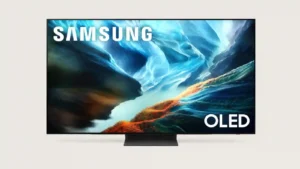
Choose the S90H for bright-room OLED viewing, deep blacks and top-tier gaming without flagship pricing. Skip it if you want Dolby Vision, a glossy screen or the simplest smart-TV software.
Pros: glare resistance, black levels
Cons: Dolby Vision support, color gamut
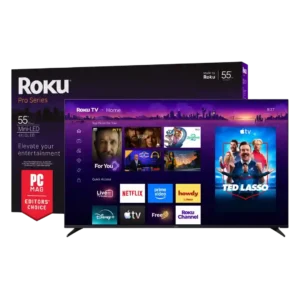
Best for bright Mini-LED picture, excellent built-in audio, easy Roku navigation, and responsive 4K/120 gaming. Skip it if you want ad-free menus, premium motion consistency, or stronger confidence in long-term...
Pros: overall satisfaction, picture quality
Cons: reliability, portability and versatility
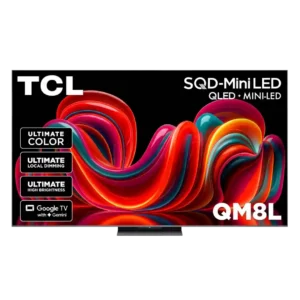
Choose the QM8L for a big, brilliantly bright TV with vivid HDR, deep mini-LED blacks, low input lag, and four HDMI 2.1 ports. Skip it if you need OLED-clean motion,...
Pros: picture quality, value for money
Cons: stand quality, judder handling
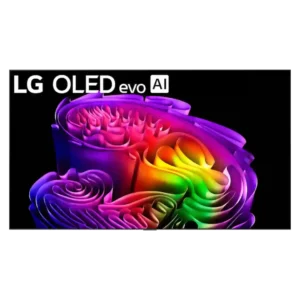
Choose the G6 for class-leading bright-room OLED picture, rich color, deep blacks and elite gaming. Skip it if you want strong built-in audio, polished launch firmware, no account sign-in, or...
Pros: picture quality, peak brightness
Cons: value for money, sound quality