If you want better high-refresh-rate gaming
Choose Samsung QN80F. It scores 5.0 vs 1.3 for high-refresh-rate gaming, with a 3.8 overall score.

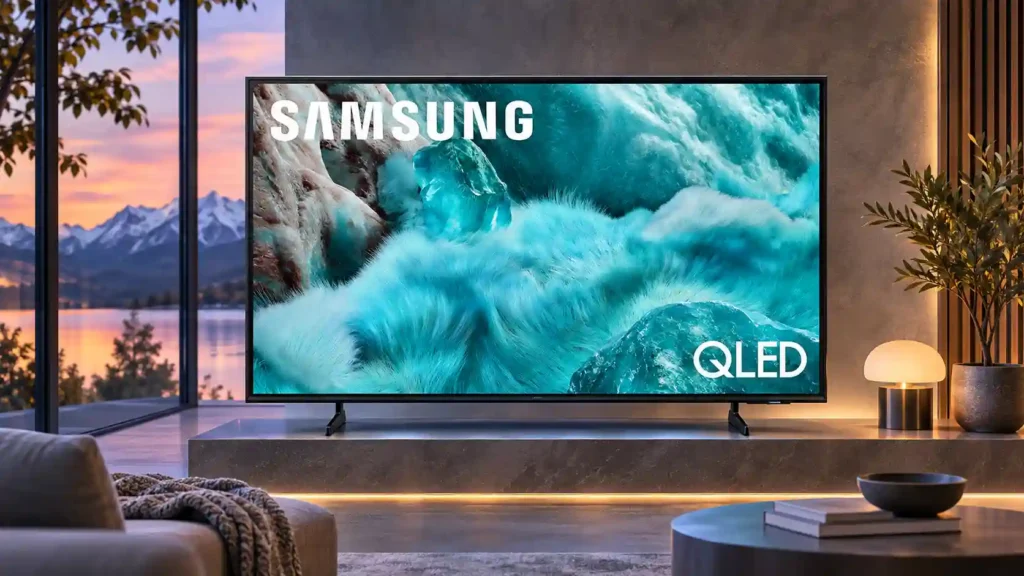
Pleasant SDR color, extensive Tizen apps, and responsive casual gaming make the Q7F workable at a genuine discount. Weak HDR, washed-out blacks, and a 60Hz ceiling make similarly priced Mini LED alternatives hard to ignore.
Best for discounted bedroom or secondary-room SDR streaming, casual 60Hz gaming, and Samsung ecosystem households that prioritize familiar apps over premium picture quality.
Poorly suited to bright rooms, wide seating, cinematic dark-room viewing, or serious high-refresh console and PC gaming; stronger Mini LED competitors frequently offer better value.
The Samsung Q7F 2025 does a few everyday things well. Its streaming-app selection is broad, its Tizen and Samsung ecosystem features are convenient, and SDR color can look attractive and accurate straight from the box. Casual games also feel responsive at 60Hz. Those strengths explain why some reviewers consider it a sensible bedroom or temporary television when heavily discounted. The tradeoffs are difficult to ignore, however: HDR highlights are dim, dark scenes lack convincing blacks, and reflections and narrow viewing angles restrict placement. Motion tests also found blur, stutter, and colored trails, while newer consoles cannot take advantage of 120Hz or effective VRR. Opinions differ on software speed, sports performance, and whether the asking price is fair. For a main living-room display or serious gaming, comparable Mini LED alternatives often make the stronger case.
Compared with other TVs, this product is above average in Black uniformity, Game Motion Plus, AI artwork generation, near average in color gamut, app selection, below average in HDMI 2.1 support, FreeSync support, variable refresh rate.
| Attribute | This product | Category average | Difference |
|---|---|---|---|
| HDMI 2.1 support | 1.3 | 4.1 | -2.8 |
| FreeSync support | 1.5 | 4.4 | -2.9 |
| variable refresh rate | 1.3 | 4.0 | -2.7 |
| 1440p input compatibility | 1.5 | 4.2 | -2.7 |
| 4K at 120 Hz support | 1.3 | 3.9 | -2.6 |
| peak brightness | 1.2 | 3.6 | -2.4 |
| noise reduction | 1.0 | 3.5 | -2.5 |
| HDR brightness | 1.1 | 3.4 | -2.2 |
Choose Samsung QN80F. It scores 5.0 vs 1.3 for high-refresh-rate gaming, with a 3.8 overall score.
Choose Samsung QN70F. It scores 5.0 vs 1.3 for variable refresh rate, with a 3.8 overall score.
Choose TCL QM9K. It scores 4.8 vs 1.1 for HDR brightness, with a 3.9 overall score.
Choose Samsung QN900F 8K. It scores 5.0 vs 1.3 for 4K at 120 Hz support, with a 4.2 overall score.
Products reviewers directly compared with this model, grouped into quick takeaways.
Usually not. Most testers found its HDR highlights too dim and its blacks too elevated for a cinematic image, although one preferred its more natural HDR tones.
The tested mainstream models are limited to 4K at 60Hz and do not provide the modern 120Hz and useful VRR experience that enthusiast gamers expect.
SDR shows and everyday broadcasts can look pleasant, particularly when viewed head-on in a dimmer room. Color accuracy is often good, but low-quality streams can look soft or blocky.
It is not an ideal choice. Modest brightness and visible reflections can create viewing problems near large windows or direct lamps.
The Tizen platform offers a wide selection of services, Samsung TV Plus, and useful ecosystem integration. Experiences with ads and menu responsiveness are less consistently positive.
They are generally adequate for dialogue in a quiet bedroom, but bass is thin and volume is limited. A soundbar improves movie audio if your budget allows it.
That depends heavily on discounts. Some reviewers liked the Samsung features at a low sale price, while others favored similarly priced Hisense and TCL Mini LED TVs for brighter pictures and stronger gaming capabilities.
These are a few of the reviews included in our analysis.



The 2025 Samsung Q7F delivers the colour pop and smart TV ease that most households want at a budget-friendly price, but its HDR brightness...
Our Samsung Q7F review explains its low-price value, Tizen features, picture quality, HDR brightness, black levels, motion, gaming limits...
Samsung Q7F review covering picture quality, HDR, motion, gaming, sound, Tizen features and the major differences between its 60Hz sizes and...
The Q7F is one of Samsung’s most affordable QLEDs, but there are better TVs in this price range.
The Samsung Q7F is the most affordable QLED TV in Samsung’s 2025 lineup. In our review we check its pros and cons – from smooth Tizen OS and...
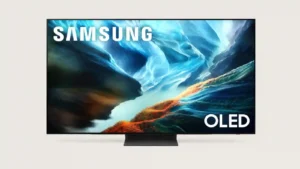
Choose the S90H for bright-room OLED viewing, deep blacks and top-tier gaming without flagship pricing. Skip it if you want Dolby Vision, a glossy screen or the simplest smart-TV software.
Pros: glare resistance, black levels
Cons: Dolby Vision support, color gamut
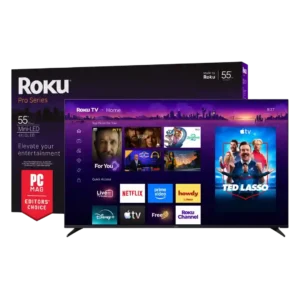
Best for bright Mini-LED picture, excellent built-in audio, easy Roku navigation, and responsive 4K/120 gaming. Skip it if you want ad-free menus, premium motion consistency, or stronger confidence in long-term...
Pros: overall satisfaction, picture quality
Cons: reliability, portability and versatility
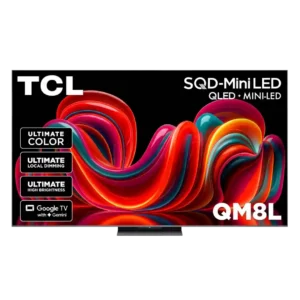
Choose the QM8L for a big, brilliantly bright TV with vivid HDR, deep mini-LED blacks, low input lag, and four HDMI 2.1 ports. Skip it if you need OLED-clean motion,...
Pros: picture quality, value for money
Cons: stand quality, judder handling

Choose the G6 for class-leading bright-room OLED picture, rich color, deep blacks and elite gaming. Skip it if you want strong built-in audio, polished launch firmware, no account sign-in, or...
Pros: picture quality, peak brightness
Cons: value for money, sound quality