
Overall: 4.2/5
The B5 follows HDR brightness targets accurately and rolls off highlights gracefully rather than blowing out detail.
Pros: value for money, color accuracy
Cons: HDR brightness, reflection handling

Overall: 4.2/5
The B5 follows HDR brightness targets accurately and rolls off highlights gracefully rather than blowing out detail.
Pros: value for money, color accuracy
Cons: HDR brightness, reflection handling

Overall: 4.2/5
The G5 generally tracks HDR intent closely, with slightly elevated midtones and controlled highlight roll-off. Panasonic's Z95B is sometimes preferred for stricter reference accuracy.
Pros: overall satisfaction, picture quality
Cons: banding control, remote control quality

Overall: 4.0/5
HDR tone mapping accuracy receives a qualified response, and its usefulness depends on the specific setup or viewing preferences.
Pros: value for money, overall satisfaction
Cons: Remote control usability, sound quality

Overall: 3.9/5
HDR follows the intended luminance curve reasonably well, though some midtones are too dark and clips may be truncated at peak brightness.
Pros: gaming performance, overall satisfaction
Cons: sound quality, value for money
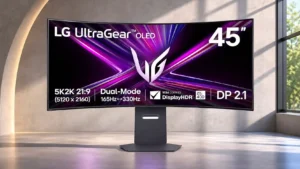
Overall: 4.1/5
HDR tone mapping is a recurring compromise: the most accurate mode caps peak highlights, while brighter modes over-lift darker areas. Console calibration and source-based tone mapping are additional concerns.
Pros: Resolution, overall satisfaction
Cons: value for money, GPU demands
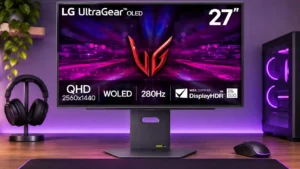
Overall: 3.6/5
HDR tracking is among the biggest drawbacks: modes often brighten the whole image or crush shadows, and adjustments can trade accuracy against spectacular highlights.
Pros: reflection handling, HDR performance
Cons: screen uniformity, Screen coating clarity

Overall: 4.1/5
Tone mapping is imperfect: bright details can clip, while higher peak-brightness settings change darker-scene rendering.
Pros: overall satisfaction, value for money
Cons: reflection handling, screen uniformity

Overall: 3.6/5
Aggressive HDR settings overbrighten scenes and deviate from the intended luminance curve. More restrained modes sacrifice some brightness or black-depth control.
Pros: refresh rate, Dual-mode versatility
Cons: motion clarity, black levels
Overall: 3.0/5
HDR tracking is uneven: midtones fare better than shadows, while the brightest details clip abruptly.
Pros: viewing angles, smart TV platform
Cons: overall satisfaction, refresh rate