
Overall: 4.2/5
As an LCD television, the QN90F avoids the permanent OLED burn-in risk, making static content less worrying over time.
Pros: picture quality, glare resistance
Cons: value for money, bass performance

Overall: 4.2/5
As an LCD television, the QN90F avoids the permanent OLED burn-in risk, making static content less worrying over time.
Pros: picture quality, glare resistance
Cons: value for money, bass performance
Overall: 3.7/5
Permanent image retention is considered extremely unlikely, an advantage for static screens and gaming interfaces.
Pros: picture quality, maximum volume
Cons: sound quality, bass performance
Overall: 3.9/5
The LCD panel avoids the permanent burn-in risk associated with self-emissive OLED pixels.
Pros: gaming performance, overall satisfaction
Cons: sound quality, value for money
Overall: 3.0/5
Direct-lit LCD construction keeps the risk of permanent static-image burn-in very low.
Pros: viewing angles, smart TV platform
Cons: overall satisfaction, refresh rate
Overall: 3.0/5
The direct-lit LCD panel was judged very unlikely to develop permanent burn-in, making static on-screen elements less concerning.
Pros: color gamut, smart TV platform
Cons: value for money, overall satisfaction
Overall: 3.8/5
As a conventional LCD-based TV, it avoids the image-retention risk associated with self-emissive panels.
Pros: picture quality, 4K at 144 Hz support
Cons: sound quality, value for money
Overall: 3.8/5
The LCD design eliminates permanent OLED-style image retention, a useful reassurance for static interface use.
Pros: glare resistance, overall satisfaction
Cons: input lag, value for money
Overall: 3.8/5
Unlike OLED, this display faces little risk of permanent burn-in from prolonged static art or interfaces.
Pros: Wireless One Connect compatibility, art display mode
Cons: value for money, input lag
Overall: 3.0/5
This direct-lit LCD is highly resistant to permanent static-image burn-in, a plus for long ownership.
Pros: picture quality, smart TV platform
Cons: value for money, refresh rate
Overall: 3.3/5
Permanent image retention is an unlikely concern with this direct-lit LCD panel, even during prolonged static-image use.
Pros: color accuracy, upscaling quality
Cons: picture quality, sound quality
Overall: 3.6/5
The direct-lit LCD panel is unlikely to suffer permanent burn-in, a practical advantage for static content and repeated everyday use.
Pros: picture quality, overall satisfaction
Cons: sound quality, reliability
Overall: 3.4/5
As a direct-lit LCD, the screen carries little risk of permanent burn-in from static game HUDs or channel logos.
Pros: picture quality, value for money
Cons: viewing angles, HDR performance
Overall: 3.6/5
The LCD panel is effectively immune to permanent OLED-style burn-in, making varied and static content less concerning.
Pros: black levels, picture quality
Cons: HDR performance, blooming control

Overall: 4.0/5
An LCD panel avoids the permanent burn-in risk associated with static images on OLED.
Pros: color accuracy, picture quality
Cons: HDR brightness, peak brightness
Overall: 3.9/5
Its LCD panel avoids the permanent burn-in risk associated with OLED, benefiting static-image use.
Pros: peak brightness, value for money
Cons: reflection handling, glare resistance
Overall: 3.9/5
The LCD panel avoids permanent burn-in, a reassuring trait for users worried about static images and long sessions.
Pros: peak brightness, overall satisfaction
Cons: value for money, shadow detail

Overall: 4.0/5
Mixed viewing is considered relatively safe, but prolonged static graphics can cause permanent OLED retention.
Pros: value for money, overall satisfaction
Cons: Remote control usability, sound quality
Overall: 4.2/5
Long periods with fixed logos or news tickers pose burn-in risk, so the G5 is better suited to varied content than static unattended imagery.
Pros: overall satisfaction, picture quality
Cons: banding control, remote control quality
Overall: 4.3/5
Mixed-content use is relatively safe, but static logos and prolonged fixed elements carry a meaningful permanent burn-in risk.
Pros: picture quality, color accuracy
Cons: bass performance, HDMI 2.1 port count

Overall: 4.2/5
Static game interfaces or news tickers carry a lasting burn-in risk; varied content is less likely to cause trouble.
Pros: value for money, color accuracy
Cons: HDR brightness, reflection handling
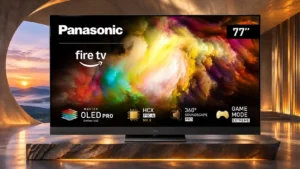
Overall: 4.0/5
Static images can cause permanent burn-in, so long-running news tickers or similar content require extra care.
Pros: overall satisfaction, picture quality
Cons: size options, value for money

Overall: 3.9/5
Long-lasting static elements still pose OLED burn-in risk, so this is not a risk-free display for fixed graphics.
Pros: color volume, black levels
Cons: Inconsistent panel and coating by size, sound quality
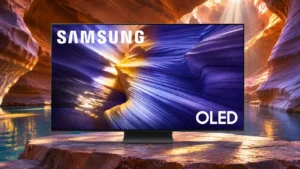
Overall: 3.9/5
Repeated static banners or interfaces pose a meaningful permanent burn-in risk; mixed video viewing is a safer pattern.
Pros: value for money, overall satisfaction
Cons: Dolby Vision support, sound quality

Overall: 4.0/5
Static imagery remains a genuine OLED risk, so news tickers and persistent game HUDs warrant sensible viewing habits.
Pros: reflection handling, overall satisfaction
Cons: Dolby Vision support, bass performance