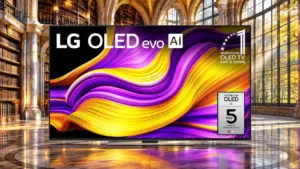
Overall: 4.2/5
AI scene optimization draws favorable reactions, with clear strengths noted in the G5’s real-world performance.
Pros: overall satisfaction, picture quality
Cons: banding control, remote control quality

Overall: 4.2/5
AI scene optimization draws favorable reactions, with clear strengths noted in the G5’s real-world performance.
Pros: overall satisfaction, picture quality
Cons: banding control, remote control quality
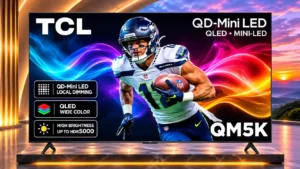
Overall: 3.6/5
The automatic Intelligent picture mode can produce an appealing image without extensive manual adjustments.
Pros: black levels, picture quality
Cons: HDR performance, blooming control

Overall: 4.0/5
The image processor adds convincing depth and restores detail, but aggressive automatic preferences can stray from faithful movie presentation.
Pros: reflection handling, overall satisfaction
Cons: Dolby Vision support, bass performance
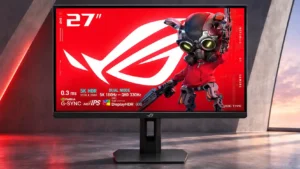
Overall: 4.1/5
Automatic picture-profile selection is a convenient alternative to manual preset switching, particularly when moving between games and work apps.
Pros: Pixel density, Resolution
Cons: GPU demands, HDR performance
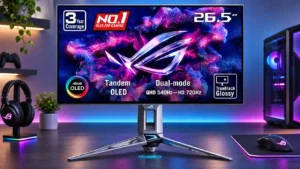
Overall: 4.3/5
AI picture tools are available as helpful extras for players who like assistance adjusting game visuals.
Pros: black levels, motion clarity
Cons: value for money, Dual-mode versatility
Overall: 4.2/5
Picture and sound processing can adapt to content, adding convenience without extensive manual tweaking.
Pros: value for money, color accuracy
Cons: HDR brightness, reflection handling
Overall: 4.2/5
Picture processing adjusts scenes for extra punch and clarity; the most aggressive settings may appear less natural than Filmmaker Mode.
Pros: picture quality, glare resistance
Cons: value for money, bass performance

Overall: 3.9/5
Picture-enhancement modes can improve depth and detail, but their usefulness varies by scene.
Pros: color volume, black levels
Cons: Inconsistent panel and coating by size, sound quality
Overall: 3.8/5
Adaptive picture modes can add welcome brightness and punch, particularly with sports. Films sometimes look exaggerated or artificial, making the option best treated as adjustable rather than always on.
Pros: glare resistance, overall satisfaction
Cons: input lag, value for money
Overall: 3.0/5
AI-assisted picture processing drew mild praise when very low-resolution clips remained watchable, although its improvements were not universally convincing.
Pros: color gamut, smart TV platform
Cons: value for money, overall satisfaction
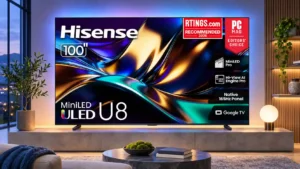
Overall: 4.1/5
Content-aware processing can sharpen lower-quality material and adapt settings, but some automatic adjustments make good 4K HDR sources look overly processed.
Pros: peak brightness, HDR brightness
Cons: sound quality, viewing angles

Overall: 3.8/5
AI Mode can noticeably lift dull images and fuller sound, though other demos found cooler colors or lost highlights.
Pros: picture quality, 4K at 144 Hz support
Cons: sound quality, value for money

Overall: 4.2/5
Automatic scene adjustments can be useful after tuning, but overly forceful defaults may distort skin tones, highlights and motion.
Pros: high-refresh-rate gaming, gaming performance
Cons: value for money, bass performance
Overall: 3.9/5
AI picture modes can overdo brightness and color, so manually chosen presets often look more balanced.
Pros: value for money, overall satisfaction
Cons: Dolby Vision support, sound quality
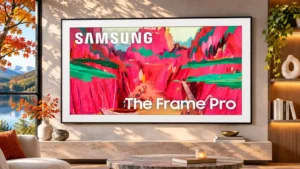
Overall: 3.8/5
Automatic brightness enhancement can improve a dark movie, but some adjustments feel opaque or less useful than expected.
Pros: Wireless One Connect compatibility, art display mode
Cons: value for money, input lag
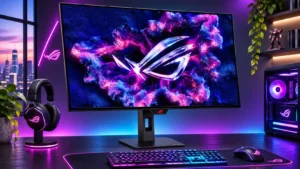
Overall: 4.2/5
Automatic picture-mode changes help in some titles but can cycle distractingly in others; manual per-game tuning is more predictable.
Pros: overall satisfaction, black levels
Cons: reflection handling, Color brightness
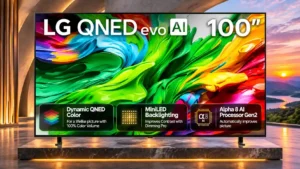
Overall: 3.7/5
Automatic AI picture enhancement made little visible difference during initial setup, leaving its benefit uncertain.
Pros: picture quality, maximum volume
Cons: sound quality, bass performance
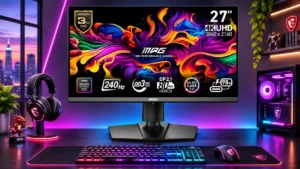
Overall: 4.2/5
AI Vision and related dark-scene boosts failed to impress in real use; one assessment warned that certain competitive-game enhancements might be unwelcome.
Pros: HDR performance, DisplayPort connectivity
Cons: value for money, brightness
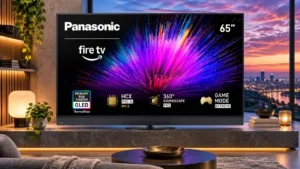
Overall: 4.3/5
Automatic AI modes can look overbright or introduce unnatural smoothing, making the accurate cinema presets preferable.
Pros: picture quality, color accuracy
Cons: bass performance, HDMI 2.1 port count

Overall: 3.9/5
Extra AI clarity enhancements can create strobe-like artifacts on lower-quality films; leaving those settings off produces a cleaner result.
Pros: peak brightness, overall satisfaction
Cons: value for money, shadow detail