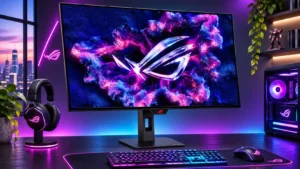
Overall: 4.2/5
Two full-speed HDMI 2.1 connections make 4K/120Hz console play easy and support flexible connection of gaming equipment.
Pros: overall satisfaction, black levels
Cons: reflection handling, Color brightness

Overall: 4.2/5
Two full-speed HDMI 2.1 connections make 4K/120Hz console play easy and support flexible connection of gaming equipment.
Pros: overall satisfaction, black levels
Cons: reflection handling, Color brightness
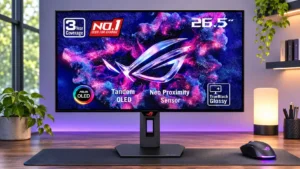
Overall: 4.4/5
Full-bandwidth HDMI 2.1 provides uncompressed 1440p/280Hz on capable PCs and useful high-refresh signal support for consoles.
Pros: overall satisfaction, response time
Cons: reflection handling, VRR flicker
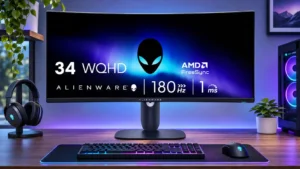
Overall: 3.7/5
Full-bandwidth HDMI 2.1 is unusually welcome at this price and avoids older HDMI refresh-rate restrictions.
Pros: ultrawide gaming experience, black levels
Cons: HDR performance, viewing angles
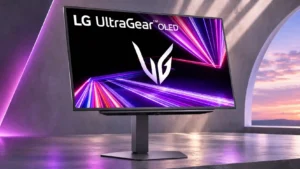
Overall: 4.1/5
Full-bandwidth HDMI 2.1 helps consoles and gaming PCs use high refresh rates and VRR without the compromises of older ports.
Pros: overall satisfaction, value for money
Cons: reflection handling, screen uniformity
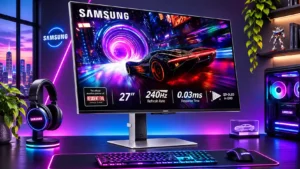
Overall: 4.2/5
The HDMI connections are well suited to 4K/120Hz consoles and high-refresh PC sources. Multiple ports simplify switching gaming devices.
Pros: reflection handling, color gamut
Cons: value for money, brightness
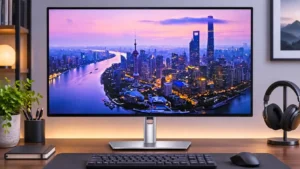
Overall: 4.2/5
HDMI 2.1 supports high-refresh 4K sources including modern consoles, making the monitor more flexible than an ordinary office-only display.
Pros: port selection, USB hub functionality
Cons: competitive gaming suitability, motion clarity
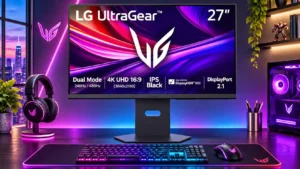
Overall: 3.6/5
Two full-bandwidth HDMI 2.1 inputs make it easy to connect high-refresh PCs and modern consoles. Low latency is retained across supported signals.
Pros: refresh rate, Dual-mode versatility
Cons: motion clarity, black levels
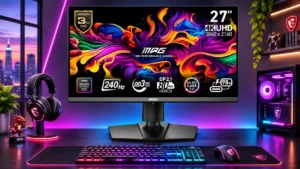
Overall: 4.2/5
Full-featured HDMI inputs handle modern 4K console signals and complement the high-bandwidth PC connection.
Pros: HDR performance, DisplayPort connectivity
Cons: value for money, brightness
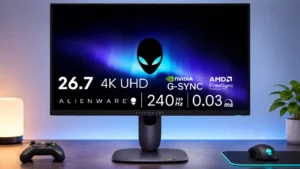
Overall: 4.3/5
HDMI 2.1 support was praised as enough to get the best out of current consoles and support the monitor’s main gaming features.
Pros: value for money, sharpness
Cons: brightness, USB hub functionality
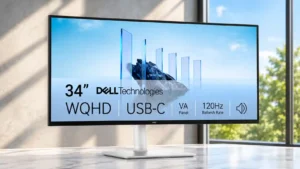
Overall: 4.2/5
The HDMI 2.1 connection is a welcome inclusion for modern PCs and consoles.
Pros: overall satisfaction, screen size
Cons: stand adjustability, Photo editing
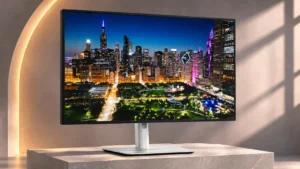
Overall: 4.2/5
HDMI 2.1 adds useful 4K/120Hz input capability for modern gaming systems alongside the workstation connections.
Pros: port selection, overall satisfaction
Cons: value for money, competitive gaming suitability
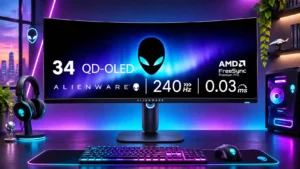
Overall: 4.2/5
Two full-bandwidth HDMI 2.1 connections are a welcome upgrade from earlier models and support high refresh rates.
Pros: refresh rate, HDR performance
Cons: reflection handling, Text fringing
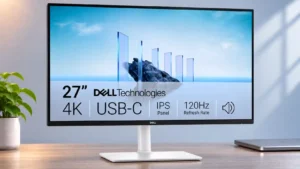
Overall: 4.2/5
Two HDMI 2.1 inputs bring welcome 4K 120Hz connectivity for consoles and compatible graphics cards, extending this office monitor's usefulness into gaming.
Pros: value for money, Resolution
Cons: port selection, competitive gaming suitability
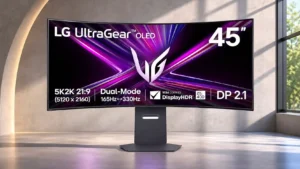
Overall: 4.1/5
The two high-bandwidth HDMI 2.1 ports are well suited to current PCs and consoles. They help make a large PC-first monitor flexible for secondary gaming devices.
Pros: Resolution, overall satisfaction
Cons: value for money, GPU demands
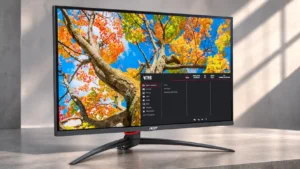
Overall: 3.5/5
Two HDMI 2.1 ports facilitate modern console signals and help keep a console and PC connected at once.
Pros: HDR performance, overall satisfaction
Cons: local dimming performance, Blooming control
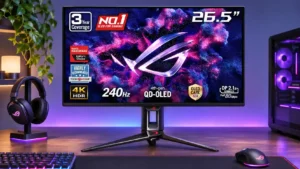
Overall: 4.4/5
The high-bandwidth HDMI 2.1 ports make modern PCs and consoles easy to connect. They're especially welcome alongside DisplayPort 2.1.
Pros: sharpness, overall satisfaction
Cons: value for money, VRR flicker
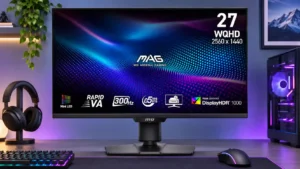
Overall: 3.9/5
Full-bandwidth HDMI 2.1 connections improve high-refresh PC and modern console flexibility, including scaled 4K120 input.
Pros: HDR performance, black levels
Cons: viewing angles, response time
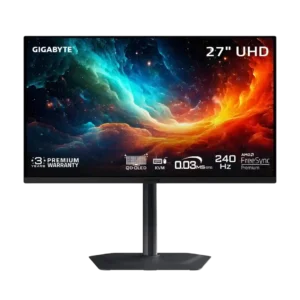
Overall: 4.1/5
Two full-bandwidth HDMI 2.1 ports provide strong support for high-refresh 4K sources and current consoles.
Pros: motion clarity, PC gaming compatibility
Cons: color accuracy, software support
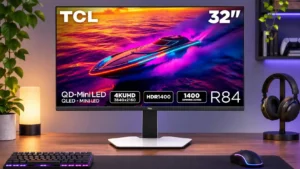
Overall: 4.2/5
Full-bandwidth HDMI 2.1 enables high-refresh 4K signals and VRR, including useful 120Hz console modes.
Pros: brightness, HDR performance
Cons: speaker quality, built-in speakers
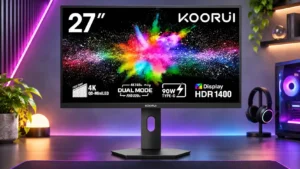
Overall: 4.2/5
Two full-bandwidth HDMI 2.1 inputs help the panel handle modern console resolutions and high refresh rates.
Pros: HDR performance, overall satisfaction
Cons: HDR highlight detail, color accuracy
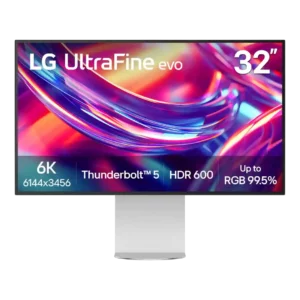
Overall: 3.9/5
HDMI 2.1 is part of an unusually modern connection set that reviewers praise for flexibility. It complements Thunderbolt 5 and DisplayPort 2.1 rather than being the monitor's main selling point.
Pros: port selection, overall satisfaction
Cons: value for money, cable management
Overall: 3.8/5
The HDMI inputs are a valuable upgrade over older Dell models, enabling higher-bandwidth 4K/120Hz gaming signals on compatible hardware.
Pros: value for money, Resolution
Cons: port selection, HDR performance
Overall: 3.7/5
The two HDMI 2.1 inputs provide useful flexibility for 4K/120Hz-capable devices, including consoles and mixed PC setups.
Pros: value for money, Resolution
Cons: stand adjustability, viewing angles
Overall: 4.3/5
The two HDMI 2.1 inputs provide high-refresh and downscaled-4K console flexibility.
Pros: black levels, motion clarity
Cons: value for money, Dual-mode versatility
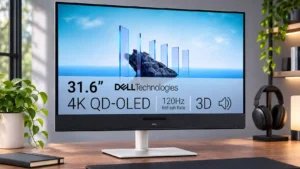
Overall: 4.2/5
Its HDMI connection accommodates 4K 120Hz console play and VRR, but the single socket restricts multiple HDMI devices.
Pros: overall picture quality, overall satisfaction
Cons: port selection, brightness
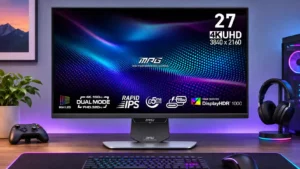
Overall: 4.0/5
Full-bandwidth HDMI allows high-refresh PCs and 4K120 console gaming through two inputs.
Pros: Dual-mode versatility, refresh rate
Cons: black levels, contrast
Overall: 4.3/5
The two full HDMI 2.1 inputs are a welcome part of the connectivity package and can support the monitor’s high-refresh gaming modes.
Pros: overall satisfaction, competitive gaming suitability
Cons: value for money, screen size
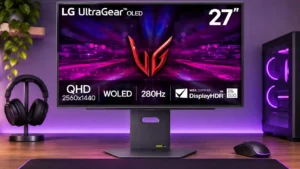
Overall: 3.6/5
HDMI 2.1 supports modern console and high-refresh connections, but one hands-on setup needed an input compatibility change before 120Hz worked.
Pros: reflection handling, HDR performance
Cons: screen uniformity, Screen coating clarity
Overall: 4.1/5
It cannot match the broader console-signal support offered by a sibling with more complete HDMI 2.1 bandwidth.
Pros: USB hub functionality, USB-C power delivery
Cons: speaker quality
Overall: 4.0/5
HDMI 2.1 inputs support high refresh rates but use a limited 24Gbps link rather than full bandwidth; DSC is needed for the richest 280Hz signals.
Pros: brightness, contrast
Cons: Text fringing, speaker quality
Overall: 4.0/5
The HDMI 2.1 naming does not bring full FRL bandwidth: QHD tops out at 144Hz over HDMI, with DisplayPort required for 180Hz.
Pros: overall satisfaction, refresh rate
Cons: HDR performance, HDMI 2.1 support
Overall: 4.3/5
HDMI is limited by the monitor’s HDMI 2.0 implementation, including a 30Hz cap at full 5K resolution in one test. USB-C or DisplayPort is the better route for the full...
Pros: productivity versatility, aspect ratio
Cons: built-in speakers, competitive gaming suitability
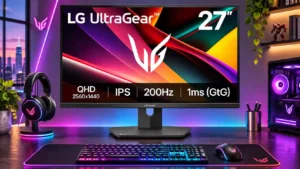
Overall: 3.6/5
The absence of HDMI 2.1 is a meaningful limitation for users seeking broader modern-console features and higher-bandwidth connections.
Pros: refresh rate, value for money
Cons: HDR performance, contrast
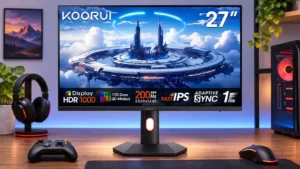
Overall: 3.7/5
HDMI 2.0 is the major connection compromise: it cannot drive the panel at its 200Hz maximum or provide 4K/120Hz console output. A separate hands-on test did confirm PS5 VRR at...
Pros: overall satisfaction, PC gaming compatibility
Cons: color accuracy, local dimming performance