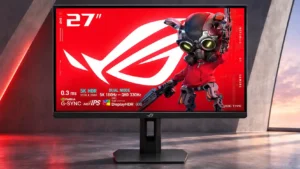
PS5 and Xbox testing finds broad 4K/120Hz and VRR support, making this an unusually capable 5K display for consoles.
Pros: Pixel density, Resolution
Cons: GPU demands, HDR performance

PS5 and Xbox testing finds broad 4K/120Hz and VRR support, making this an unusually capable 5K display for consoles.
Pros: Pixel density, Resolution
Cons: GPU demands, HDR performance
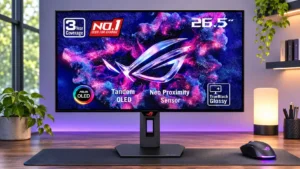
The HDMI inputs accept 4K/120Hz console signals and downscale them to the native QHD screen with useful HDR and VRR support.
Pros: overall satisfaction, response time
Cons: reflection handling, VRR flicker
PlayStation and Xbox compatibility is unusually accommodating for an office monitor, including 4K/120Hz and variable-refresh signals. Actual motion clarity remains its limitation.
Pros: port selection, USB hub functionality
Cons: competitive gaming suitability, motion clarity
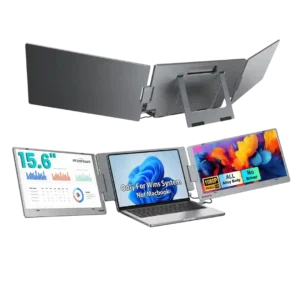
Console gaming gets one enthusiastic customer endorsement. That user reports successful PS5 use and says Call of Duty looked excellent on the screens.
Pros: overall satisfaction, portability and weight
Cons: reliability over time
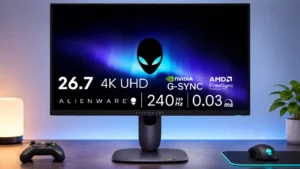
Console compatibility was praised thanks to HDMI support and strong PS5/Xbox signal handling, despite the panel exceeding console frame-rate needs.
Pros: value for money, sharpness
Cons: brightness, USB hub functionality
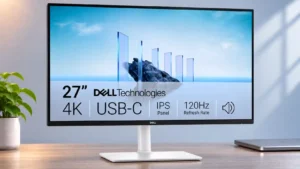
HDMI 2.1 supports 4K at up to 120Hz with modern consoles, with some Xbox signal-format quirks noted in testing.
Pros: value for money, Resolution
Cons: port selection, competitive gaming suitability
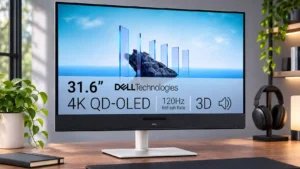
PS5-oriented use is praised for 4K, HDR, and variable refresh support, with the caveat that there is only one HDMI input.
Pros: overall picture quality, overall satisfaction
Cons: port selection, brightness
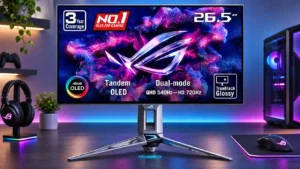
HDMI supports downscaled 4K/120Hz and key console gaming features; ELMB at 120Hz is a bonus. Lack of speakers and Dolby Vision may require compromises.
Pros: black levels, motion clarity
Cons: value for money, Dual-mode versatility
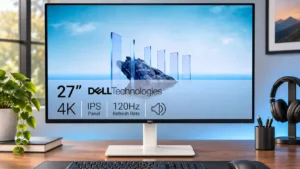
HDMI 2.1 bandwidth and 4K/120Hz support suit modern consoles, although a test noted that Xbox 1440p at 120Hz is not supported.
Pros: value for money, Resolution
Cons: port selection, HDR performance
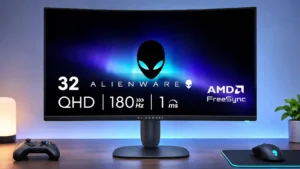
Dual HDMI inputs and useful console VRR support make it a practical option for a PS5 or other game console, although there is no headphone output.
Pros: value for money, overall satisfaction
Cons: HDR performance, Headphone output quality
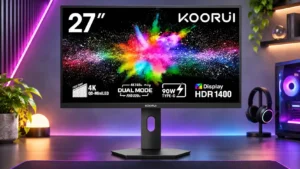
HDMI 2.1 and 4K/120Hz support make current consoles easy to use; occasional 60Hz dimming flicker remains a caveat.
Pros: HDR performance, overall satisfaction
Cons: HDR highlight detail, color accuracy
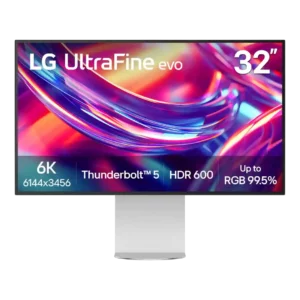
The monitor can switch easily between computers and a game system through its multi-input setup. The connection flexibility is good, even though the panel itself is not aimed at serious...
Pros: port selection, overall satisfaction
Cons: value for money, cable management
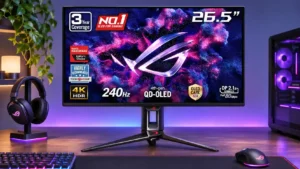
PS5 and Xbox support reaches 4K at 120Hz, with Dolby Vision providing an extra option on Xbox. Console players cannot use the panel's full 240Hz rate.
Pros: sharpness, overall satisfaction
Cons: value for money, VRR flicker
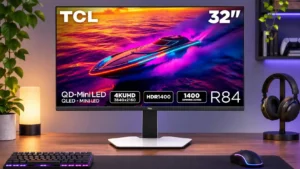
PS5, Switch 2 and Xbox use cases work well, with 4K 120Hz and VRR available where supported by the console and game.
Pros: brightness, HDR performance
Cons: speaker quality, built-in speakers
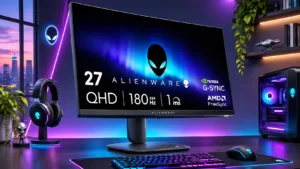
Modern consoles work well at 1440p and up to 120Hz, but full 4K/120Hz bandwidth and some audio passthrough features are unavailable.
Pros: overall satisfaction, refresh rate
Cons: HDR performance, HDMI 2.1 support
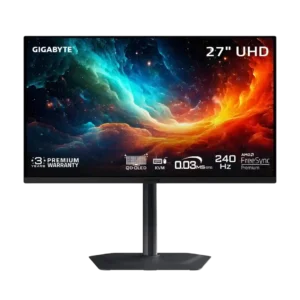
Dual HDMI 2.1 inputs and 120Hz VRR support make the monitor well suited to modern consoles. VRR anti-flicker support may depend on firmware.
Pros: motion clarity, PC gaming compatibility
Cons: color accuracy, software support
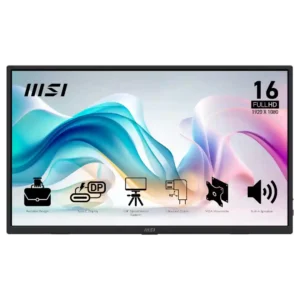
Console compatibility is generally solid, especially with Nintendo Switch, though some setups require HDMI plus external power.
Pros: value for money, portability and weight
Cons: built-in speakers, color gamut
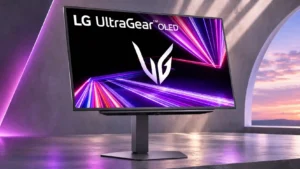
PS5 games can look superb with rich OLED contrast and HDR. A long-term owner experienced recurring PS5 no-signal problems that required power-cycling.
Pros: overall satisfaction, value for money
Cons: reflection handling, screen uniformity
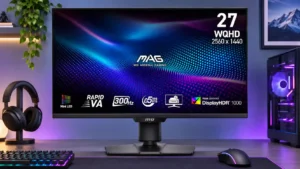
PS5 and Xbox benefit from HDMI 2.1, VRR and 120Hz support, including scaled 4K input in Console Mode. Dolby Vision and some less common 4K video cadences are unavailable.
Pros: HDR performance, black levels
Cons: viewing angles, response time
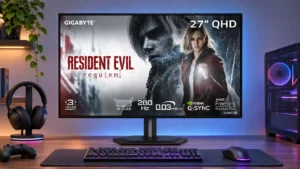
Console support includes 120Hz options and 4K downscaling, with HDMI bandwidth and chroma-format tradeoffs to consider.
Pros: brightness, contrast
Cons: Text fringing, speaker quality
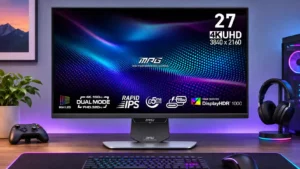
HDMI 2.1 supports PlayStation and Xbox at 4K120 with VRR; the PC-only 160/320Hz figures do not apply to consoles.
Pros: Dual-mode versatility, refresh rate
Cons: black levels, contrast
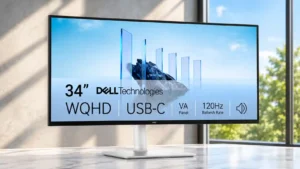
Modern console connections are supported through HDMI 2.1, though the ultrawide format and motion handling create caveats.
Pros: overall satisfaction, screen size
Cons: stand adjustability, Photo editing
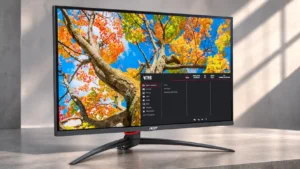
Modern PS5/Xbox signals are broadly supported, but 4K/160Hz benefits are PC-oriented and some HDR/audio quirks persist.
Pros: HDR performance, overall satisfaction
Cons: local dimming performance, Blooming control
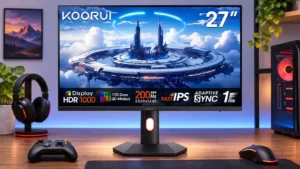
The monitor supports PS5 at 1440p/120Hz with VRR in hands-on testing, but HDMI 2.0 prevents 4K/120Hz and limits some Switch 2 HDR combinations. It is more straightforward for PC gaming.
Pros: overall satisfaction, PC gaming compatibility
Cons: color accuracy, local dimming performance
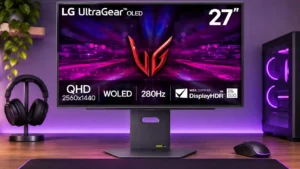
PlayStation support is generally strong, including high-refresh operation from accepted 4K signals. Xbox Dolby Vision is absent, and some console setups require changing HDMI compatibility settings.
Pros: reflection handling, HDR performance
Cons: screen uniformity, Screen coating clarity
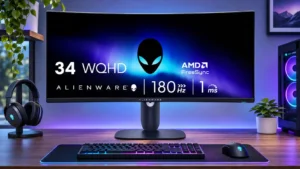
Modern PlayStation and Xbox signals generally work, but native 21:9 output is absent, leaving black bars and wasting screen width.
Pros: ultrawide gaming experience, black levels
Cons: HDR performance, viewing angles
Console owners face a narrower selection of accepted video signals than on some comparable Dell 4K models.
Pros: USB hub functionality, USB-C power delivery
Cons: speaker quality
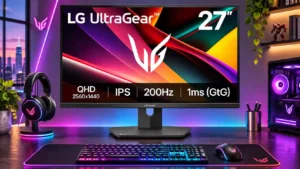
Modern consoles can play at QHD and high refresh, but the lack of HDMI 2.1 and PS5 VRR support prevents some of the flexibility found on competitors.
Pros: refresh rate, value for money
Cons: HDR performance, contrast
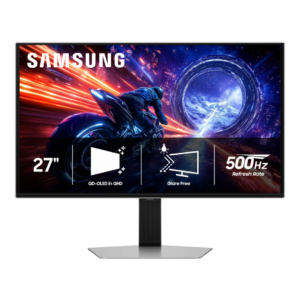
Current consoles work with VRR and high-refresh gaming, but they cannot exploit the 500Hz ceiling. For console-first setups, the G6 was repeatedly viewed as overkill.
Pros: overall satisfaction, competitive gaming suitability
Cons: value for money, screen size
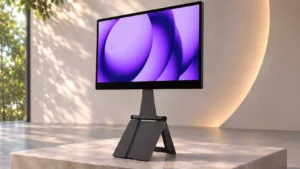
Consoles such as Switch 2 can be cumbersome to connect because docking, specialized HDMI conversion, and additional power may be necessary.
Pros: overall satisfaction, stand adjustability
Cons: value for money, reflection handling
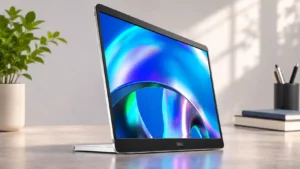
The P1425 does not have the HDMI input most consoles need, so it is not a practical plug-and-play console display.
Pros: brightness, portability and weight
Cons: value for money, port selection