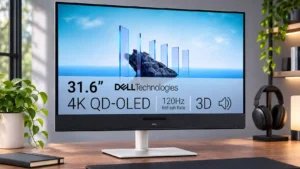
The 4K QD-OLED panel produces rich color, deep blacks and crisp detail, delivering an impressive image for games, movies and creative tasks.
Pros: overall picture quality, overall satisfaction
Cons: port selection, brightness

The 4K QD-OLED panel produces rich color, deep blacks and crisp detail, delivering an impressive image for games, movies and creative tasks.
Pros: overall picture quality, overall satisfaction
Cons: port selection, brightness
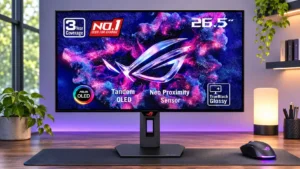
Across games and general use, the glossy Tandem OLED image draws praise for clarity, bright highlights, vivid color and black depth.
Pros: overall satisfaction, response time
Cons: reflection handling, VRR flicker
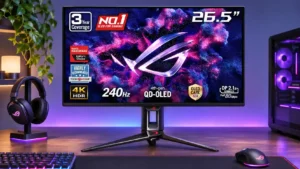
Fine details, vivid color, and inky blacks combine into outstanding image quality. The picture is most impressive with room lighting under control.
Pros: sharpness, overall satisfaction
Cons: value for money, VRR flicker
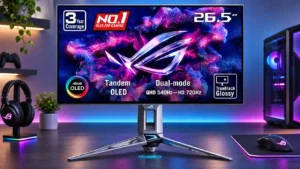
The Tandem OLED panel brings vivid colors, strong brightness, and inky blacks that make games look striking. Even at 1440p, the overall picture impresses.
Pros: black levels, motion clarity
Cons: value for money, Dual-mode versatility
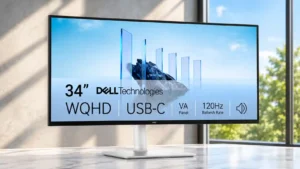
Everyday images look colorful, punchy, and crisp, with good contrast and clarity even though HDR and wide-gamut output have limits.
Pros: overall satisfaction, screen size
Cons: stand adjustability, Photo editing
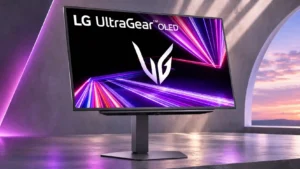
The glossy WOLED screen makes colors, clarity, and true blacks look striking. Its best moments are gaming and cinematic content rather than text-heavy desktop use.
Pros: overall satisfaction, value for money
Cons: reflection handling, screen uniformity
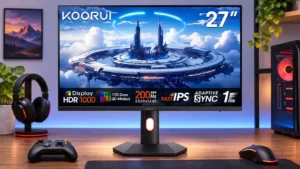
The panel can produce excellent HDR color, brightness, and contrast for the money. SDR out of the box looks less polished and may require work.
Pros: overall satisfaction, PC gaming compatibility
Cons: color accuracy, local dimming performance
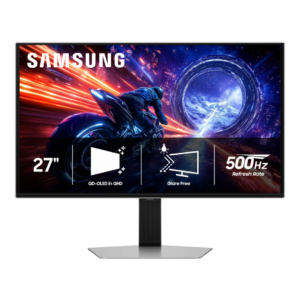
Picture quality is consistently praised for vibrant color, deep blacks, strong contrast, and crisp gaming presentation. The matte coating and 1440p pixel density introduce tradeoffs, but the overall image remains...
Pros: overall satisfaction, competitive gaming suitability
Cons: value for money, screen size
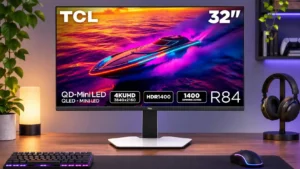
Vibrant colors, sharp 4K detail and brilliant HDR earn high marks; viewing-angle washout and matte grain are its clearest visual compromises.
Pros: brightness, HDR performance
Cons: speaker quality, built-in speakers
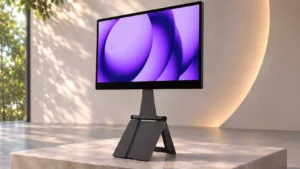
Sharp 4K images, vivid colors, and strong brightness stand out. The LCD cannot match every OLED or Apple display for contrast and color fidelity.
Pros: overall satisfaction, stand adjustability
Cons: value for money, reflection handling
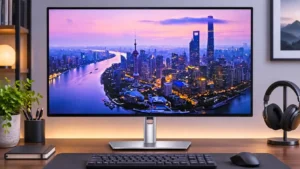
Sharp 4K images, rich IPS Black contrast and broad color coverage are impressive for office work. Uneven backlighting, motion blur and restricted HDR keep it from being an all-purpose picture-quality...
Pros: port selection, USB hub functionality
Cons: competitive gaming suitability, motion clarity
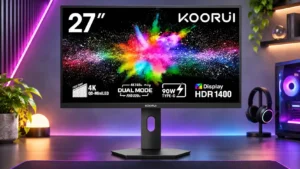
Richly saturated images and outstanding large-scene brightness make it striking, but aggressive dimming is not ideal for every scene.
Pros: HDR performance, overall satisfaction
Cons: HDR highlight detail, color accuracy
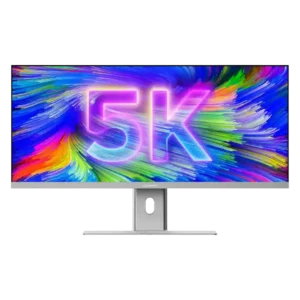
Reviewers consistently describe the 5K2K image as bright, detailed, and impressive, especially after calibration. Weak HDR and slightly lower-than-Retina density are the principal picture-quality compromises.
Pros: productivity versatility, aspect ratio
Cons: built-in speakers, competitive gaming suitability
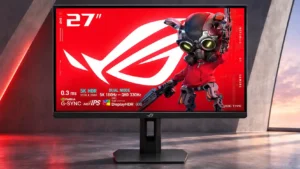
Ultra-fine detail and vivid color deliver an eye-catching image, especially in SDR. Weak black levels and limited HDR depth stop it from being universally outstanding.
Pros: Pixel density, Resolution
Cons: GPU demands, HDR performance
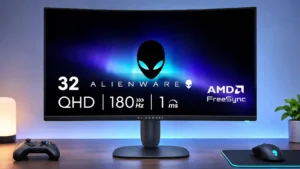
A bright, colorful SDR picture with deep blacks is a recurring strength, balanced against comparatively soft 32-inch QHD detail and underwhelming HDR.
Pros: value for money, overall satisfaction
Cons: HDR performance, Headphone output quality
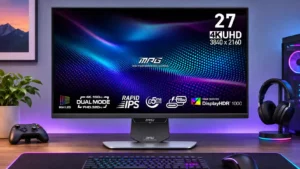
Detailed 4K and vibrant HDR shine, tempered by native IPS black limitations and variable local-dimming results.
Pros: Dual-mode versatility, refresh rate
Cons: black levels, contrast
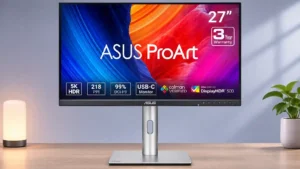
The display delivers bright, highly detailed SDR images with convincing colors. Rich OLED-like blacks and dramatic HDR highlights are not its strengths.
Pros: value for money, Resolution
Cons: HDR performance, refresh rate
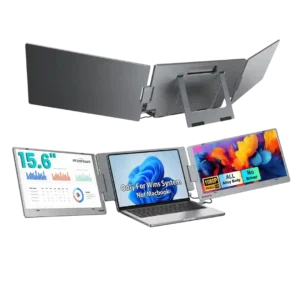
Most reviewers find the screens clear, crisp, and pleasant for everyday work, with several strong customer endorsements of picture quality. Expert testing is more measured, especially for professional color work,...
Pros: overall satisfaction, portability and weight
Cons: reliability over time
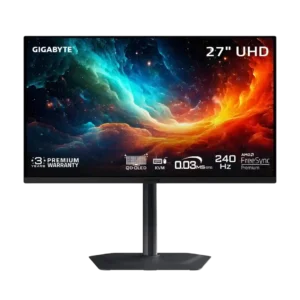
The monitor delivers sharp 4K detail, vibrant color, deep blacks, and outstanding motion. Uneven calibration, bright-room behavior, and HDR processing keep it from being class-leading.
Pros: motion clarity, PC gaming compatibility
Cons: color accuracy, software support
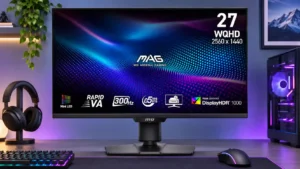
Excellent contrast, wide color and spectacular brightness deliver an impressive image for the segment. HDR accuracy and small-highlight behavior are less polished than the headline numbers suggest.
Pros: HDR performance, black levels
Cons: viewing angles, response time
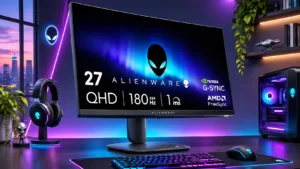
QHD sharpness and vibrant SDR colors impress, while black depth and HDR contrast lag behind stronger display technologies.
Pros: overall satisfaction, refresh rate
Cons: HDR performance, HDMI 2.1 support
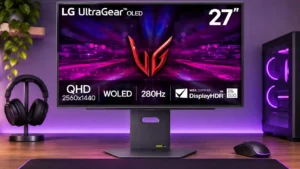
Rich color, perfect blacks, and unusually sharp motion make games visually impressive. Grading inaccuracies, gray bands, and a grainy matte finish can take away some of that impact.
Pros: reflection handling, HDR performance
Cons: screen uniformity, Screen coating clarity
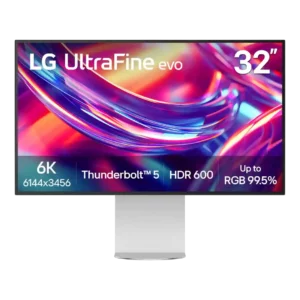
Overall image quality is strong for productivity and creative work, especially in sharpness, color, and brightness. The biggest caveats are IPS black depth, limited HDR contrast, coating preferences, and unit-to-unit...
Pros: port selection, overall satisfaction
Cons: value for money, cable management
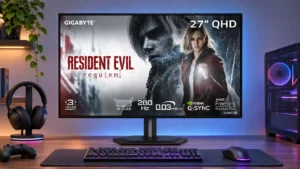
Games and video look bold and dimensional thanks to strong contrast and rich color, though individual units and presets can have visible tonal faults.
Pros: brightness, contrast
Cons: Text fringing, speaker quality
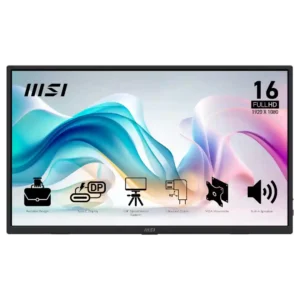
Picture quality is widely considered good for basic portable-monitor use, especially text and productivity. Expert measurements expose muted color, average contrast, and budget-grade limitations.
Pros: value for money, portability and weight
Cons: built-in speakers, color gamut
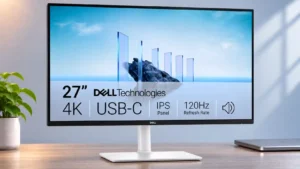
A clean, detailed, colorful SDR image satisfies most office and casual entertainment needs, but the picture loses impact in HDR and dark scenes.
Pros: value for money, Resolution
Cons: port selection, competitive gaming suitability
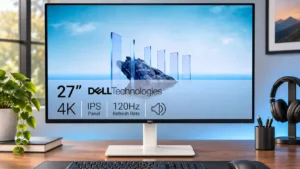
The crisp, colorful SDR picture is a major strength, while weak dark-room contrast and HDR hold it back from premium image quality.
Pros: value for money, Resolution
Cons: port selection, HDR performance
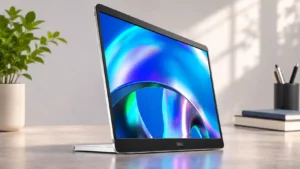
A sharp, bright image works well for everyday tasks and casual video. More demanding viewers may find the colors and depth ordinary beside higher-end displays.
Pros: brightness, portability and weight
Cons: value for money, port selection
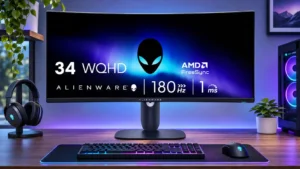
Strong SDR contrast, vivid color and decent brightness produce an appealing picture for the price; HDR is a clear step down.
Pros: ultrawide gaming experience, black levels
Cons: HDR performance, viewing angles
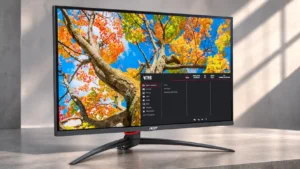
Sharp 4K and vivid HDR impressed several users, but weak native contrast and imperfect local dimming prevent a clean win.
Pros: HDR performance, overall satisfaction
Cons: local dimming performance, Blooming control
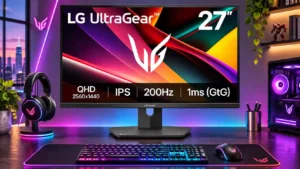
Reviewers like the sharp, colorful QHD image in normal use, but poorer native contrast and divergent color-accuracy impressions mean it is not an all-around picture-quality leader.
Pros: refresh rate, value for money
Cons: HDR performance, contrast
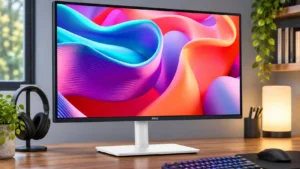
Its clean picture and balanced colors are pleasing for daily tasks, but HDR and top-tier image detail are missing.
Pros: USB hub functionality, USB-C power delivery
Cons: speaker quality