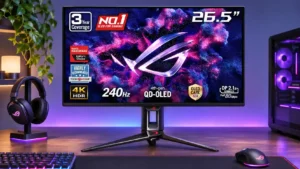
The broad DCI-P3 and Adobe RGB coverage supports rich game color and detailed creative visuals. Wide-gamut material looks especially vibrant.
Pros: sharpness, overall satisfaction
Cons: value for money, VRR flicker

The broad DCI-P3 and Adobe RGB coverage supports rich game color and detailed creative visuals. Wide-gamut material looks especially vibrant.
Pros: sharpness, overall satisfaction
Cons: value for money, VRR flicker
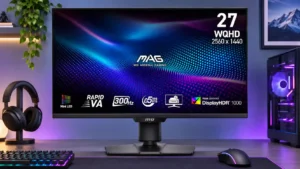
Quantum dots produce an exceptionally broad color range, with vivid HDR colors and useful Adobe RGB/P3 coverage for appropriate content.
Pros: HDR performance, black levels
Cons: viewing angles, response time
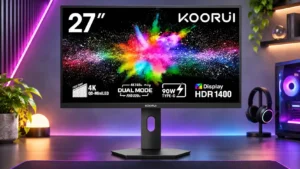
Wide Adobe RGB and DCI-P3 support adds reach for photography and makes media colors vivid, although correct profiling still matters.
Pros: HDR performance, overall satisfaction
Cons: HDR highlight detail, color accuracy
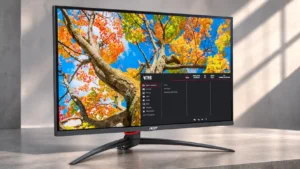
After calibration, the panel reproduces a broad range of SDR and HDR colors, although dark shades remain limited by contrast.
Pros: HDR performance, overall satisfaction
Cons: local dimming performance, Blooming control
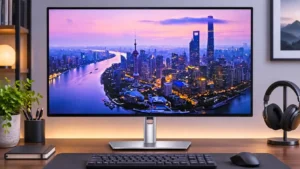
Wide P3 and sRGB coverage gives photographs, interfaces and video a vivid palette. Some darker colors and particular HDR targets still fall short of ideal reproduction.
Pros: port selection, USB hub functionality
Cons: competitive gaming suitability, motion clarity
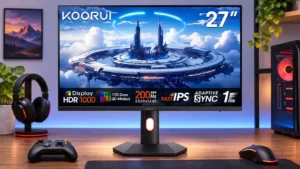
Quantum-dot color coverage is unusually wide for the price, extending through DCI-P3 and Adobe RGB. Wide gamut is not a substitute for accurate calibration.
Pros: overall satisfaction, PC gaming compatibility
Cons: color accuracy, local dimming performance
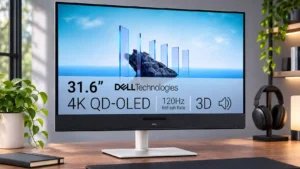
Wide coverage of DCI-P3, sRGB, and Adobe RGB yields saturated film colors and versatility for visual projects.
Pros: overall picture quality, overall satisfaction
Cons: port selection, brightness
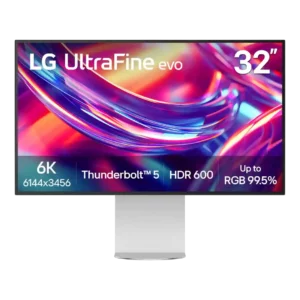
Wide-gamut coverage is excellent, with repeated measurements around the high 90s for DCI-P3 and very strong Adobe RGB coverage. Reviewers consistently praise the vivid, professional-grade color range.
Pros: port selection, overall satisfaction
Cons: value for money, cable management
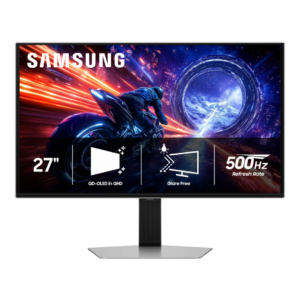
QD-OLED delivers a very wide gamut with strong DCI-P3 and Adobe RGB coverage, giving games and creative work rich, saturated color. Out-of-box saturation can run hot until sRGB or color...
Pros: overall satisfaction, competitive gaming suitability
Cons: value for money, screen size
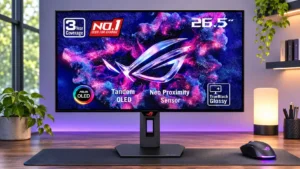
The fourth-generation WOLED panel covers an unusually broad range, producing rich game colors and much wider Rec.2020 coverage than older models.
Pros: overall satisfaction, response time
Cons: reflection handling, VRR flicker
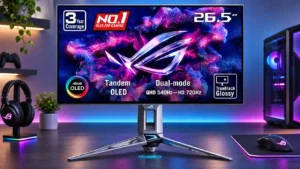
The wide gamut gives games vivid colors and substantially improves on older WOLED generations. Native SDR colors can oversaturate without an appropriate gamut clamp.
Pros: black levels, motion clarity
Cons: value for money, Dual-mode versatility
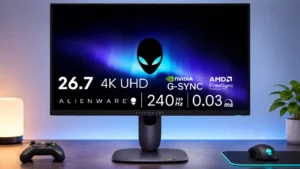
Color gamut and saturation were repeatedly praised, especially for gaming, HDR, and vivid media.
Pros: value for money, sharpness
Cons: brightness, USB hub functionality
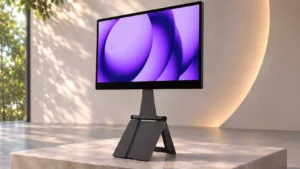
Adobe RGB coverage is a major draw for portable creative work, and colors often look rich and vibrant. Measurements vary between publications, especially in P3 coverage.
Pros: overall satisfaction, stand adjustability
Cons: value for money, reflection handling
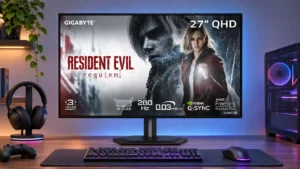
Wide DCI-P3 and expanded BT.2020 coverage give games, movies and creative work rich color. Proper gamut clamping is important to avoid exaggerated SDR saturation.
Pros: brightness, contrast
Cons: Text fringing, speaker quality
Coverage of sRGB and DCI-P3 is a major strength, while Adobe RGB lands in the high-80s to mid-90s depending on the test. That is ample for video and general creative...
Pros: productivity versatility, aspect ratio
Cons: built-in speakers, competitive gaming suitability
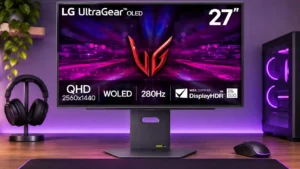
The expanded gamut brings richly saturated colors and strong HDR color coverage, representing a clear improvement over older WOLED generations.
Pros: reflection handling, HDR performance
Cons: screen uniformity, Screen coating clarity
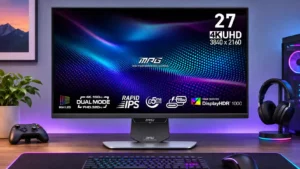
Quantum-dot wide gamut covers most DCI-P3 and Adobe RGB, helping HDR color and creative uses.
Pros: Dual-mode versatility, refresh rate
Cons: black levels, contrast
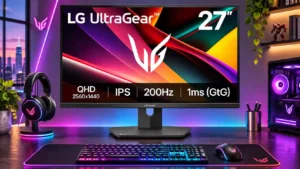
Near-full sRGB coverage is praised for lively everyday games and content, but it is not positioned as a wide-gamut professional display.
Pros: refresh rate, value for money
Cons: HDR performance, contrast
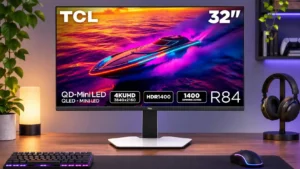
Quantum-dot color makes games and video notably vivid while offering broad coverage suitable for many creative tasks.
Pros: brightness, HDR performance
Cons: speaker quality, built-in speakers
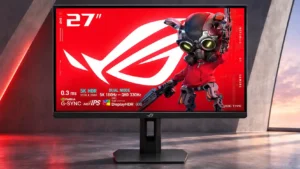
Colors are widely praised as vibrant and rich, although the gamut is not as extensive as the best specialist creator displays.
Pros: Pixel density, Resolution
Cons: GPU demands, HDR performance
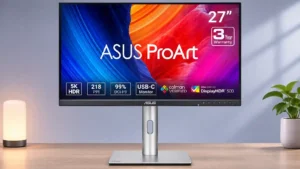
The panel covers sRGB and most of DCI-P3 very well for digital content. Adobe RGB coverage is noticeably narrower, limiting confidence for some print-focused workflows.
Pros: value for money, Resolution
Cons: HDR performance, refresh rate
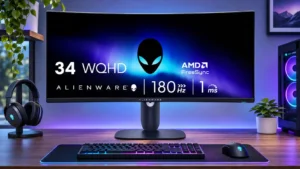
Broad DCI-P3 and sRGB coverage produces punchy color and gives the panel more range than many entry-level displays.
Pros: ultrawide gaming experience, black levels
Cons: HDR performance, viewing angles
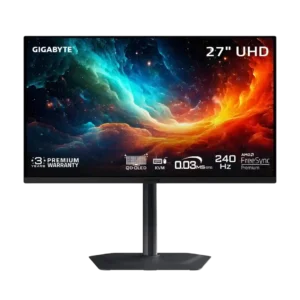
The QD-OLED panel covers a wide range of DCI-P3 and Adobe RGB colors. Coverage is strong, though one test measured slightly less than expected.
Pros: motion clarity, PC gaming compatibility
Cons: color accuracy, software support
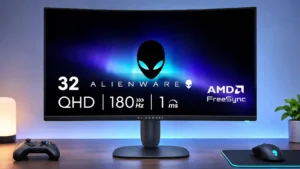
Colors look rich and vivid with wide coverage for gaming and general creative work, although the gamut and precision fall short of pricier OLED displays.
Pros: value for money, overall satisfaction
Cons: HDR performance, Headphone output quality
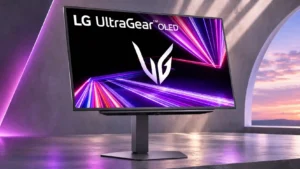
Colors are vivid compared with IPS, yet third-generation WOLED has less HDR color volume than many newer Tandem OLED or QD-OLED rivals.
Pros: overall satisfaction, value for money
Cons: reflection handling, screen uniformity
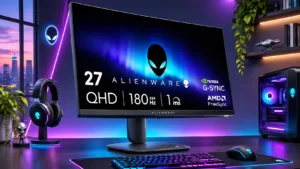
Wide-gamut colors make games vivid, though unmanaged sRGB content may become oversaturated.
Pros: overall satisfaction, refresh rate
Cons: HDR performance, HDMI 2.1 support
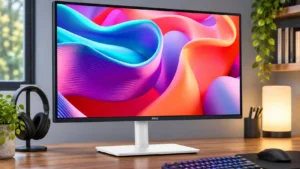
Near-complete sRGB coverage is praised for an everyday monitor, without making this a specialist wide-gamut display.
Pros: USB hub functionality, USB-C power delivery
Cons: speaker quality
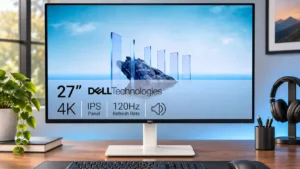
Coverage is good for sRGB but falls short of a full professional wide gamut, with some welcome extra vibrancy in standard desktop content.
Pros: value for money, Resolution
Cons: port selection, HDR performance
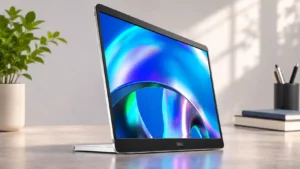
Full or near-full sRGB coverage suits everyday web graphics, but limited Adobe RGB and DCI-P3 coverage restricts professional wide-gamut work.
Pros: brightness, portability and weight
Cons: value for money, port selection
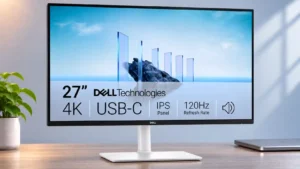
sRGB coverage is adequate for work and many creative activities, but wider P3 and Rec.2020 color reproduction trails premium displays.
Pros: value for money, Resolution
Cons: port selection, competitive gaming suitability
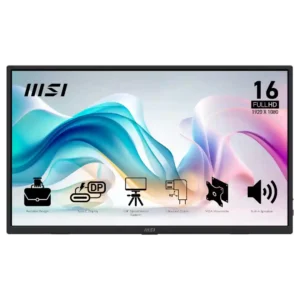
Color gamut is the most consistent picture-quality compromise. Reviewers repeatedly describe muted or limited color, even though a handful of owners are satisfied with everyday vibrancy.
Pros: value for money, portability and weight
Cons: built-in speakers, color gamut
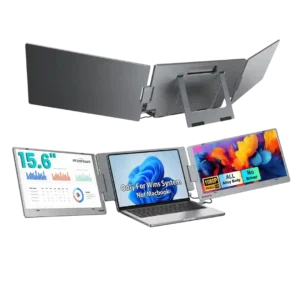
Color gamut is adequate for normal office work but limited for demanding creative use. Expert testing and commentary both point to coverage that falls short of professional photo or video...
Pros: overall satisfaction, portability and weight
Cons: reliability over time
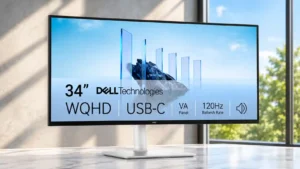
Colors are rich and convincing for web and general work, but measured wide-gamut coverage disappoints some testers and limits reference creative use.
Pros: overall satisfaction, screen size
Cons: stand adjustability, Photo editing