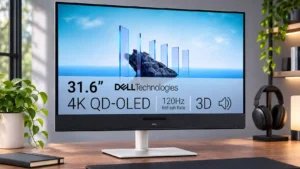
High-resolution images, strong color and useful HDR make editing engaging, with calibration and static-interface burn-in risk worth considering.
Pros: overall picture quality, overall satisfaction
Cons: port selection, brightness

High-resolution images, strong color and useful HDR make editing engaging, with calibration and static-interface burn-in risk worth considering.
Pros: overall picture quality, overall satisfaction
Cons: port selection, brightness
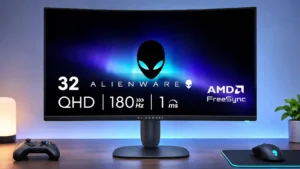
General YouTube-style editing feels comfortable on the large screen, with sufficient picture quality for non-specialist creator work.
Pros: value for money, overall satisfaction
Cons: HDR performance, Headphone output quality
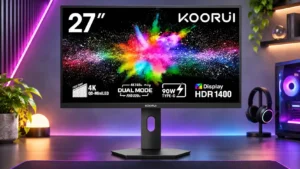
The sharp 4K canvas and expansive color coverage were recommended by a firsthand owner for video work.
Pros: HDR performance, overall satisfaction
Cons: HDR highlight detail, color accuracy
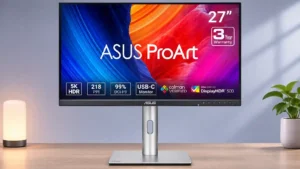
Ample pixel space keeps full-resolution footage, tool panels and timelines visible together. SDR editing shines; precise HDR finishing is less convincing.
Pros: value for money, Resolution
Cons: HDR performance, refresh rate
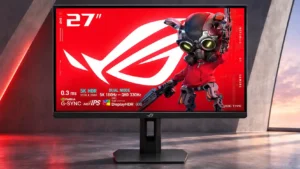
5K resolution, readable controls and space to view 4K footage are appealing for editing, while critical HDR grading is less convincing.
Pros: Pixel density, Resolution
Cons: GPU demands, HDR performance
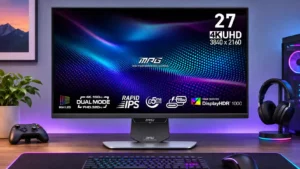
The high-density 4K screen and wide color range suit editing, and Mini LED avoids OLED burn-in worries from static timelines.
Pros: Dual-mode versatility, refresh rate
Cons: black levels, contrast
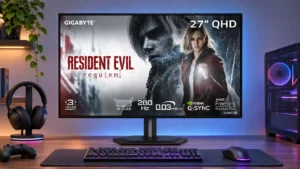
Good gamut coverage and fast motion rendition suit occasional editing and footage review, although panel accuracy limitations remain.
Pros: brightness, contrast
Cons: Text fringing, speaker quality
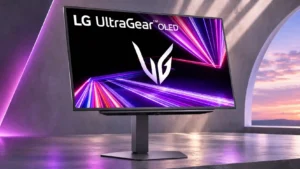
One long-term owner prefers this OLED for video editing, and an sRGB mode supports Rec.709 work; subtle text and HDR precision remain caveats.
Pros: overall satisfaction, value for money
Cons: reflection handling, screen uniformity
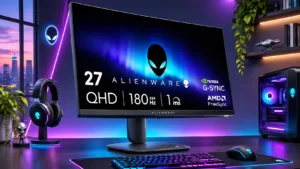
A creator found the QHD screen a useful addition to an editing workstation, although it is not positioned as a color-grading specialist.
Pros: overall satisfaction, refresh rate
Cons: HDR performance, HDMI 2.1 support
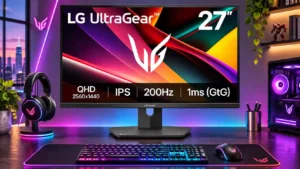
A reviewer who primarily edits videos reports enjoying the vivid picture and upgrade, making it a reasonable general-purpose creative screen.
Pros: refresh rate, value for money
Cons: HDR performance, contrast
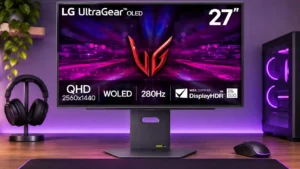
Some testing and hands-on use found regular video editing comfortable, especially with the expanded gamut. Static timelines, dark-mode banding, and imperfect accuracy require consideration.
Pros: reflection handling, HDR performance
Cons: screen uniformity, Screen coating clarity

Sharp 4K detail, broad gamut and multiple connections suit editing timelines and professional creative tools, though panel uniformity and weak HDR dimming limit exacting grading.
Pros: port selection, USB hub functionality
Cons: competitive gaming suitability, motion clarity
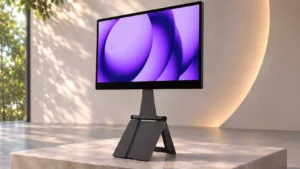
The extra screen is useful for full-size previews and longer timelines, with rich color and strong brightness. Editors needing absolute color precision should check the image against a calibrated display.
Pros: overall satisfaction, stand adjustability
Cons: value for money, reflection handling
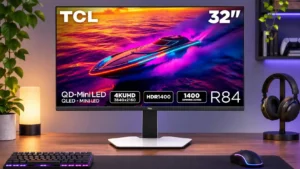
The sharp, wide-gamut panel offers a useful video-editing canvas, but critical color work calls for calibration.
Pros: brightness, HDR performance
Cons: speaker quality, built-in speakers

Detailed 4K imagery and acceptable everyday color suit amateur and general-purpose editing; serious grading and exact fractional-rate workflows have caveats.
Pros: value for money, Resolution
Cons: port selection, competitive gaming suitability
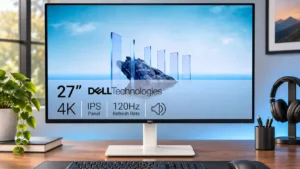
The accurate 4K panel suits general video editing and detailed sRGB work, but wide-gamut grading would benefit from a specialist monitor.
Pros: value for money, Resolution
Cons: port selection, HDR performance
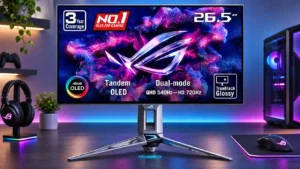
Wide color coverage helps occasional video editing, but a dedicated professional screen may be a better match for stringent color requirements.
Pros: black levels, motion clarity
Cons: value for money, Dual-mode versatility
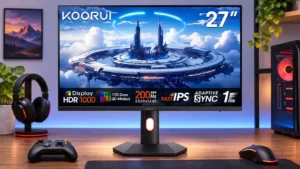
The broad color gamut and high brightness are useful for creative work, though tonal accuracy requires calibration before professional use.
Pros: overall satisfaction, PC gaming compatibility
Cons: color accuracy, local dimming performance
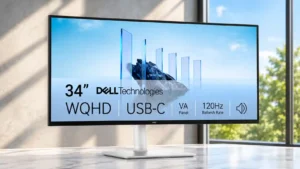
The ultrawide gives convenient room for video work and adequate amateur color, but it is not a high-end grading screen.
Pros: overall satisfaction, screen size
Cons: stand adjustability, Photo editing
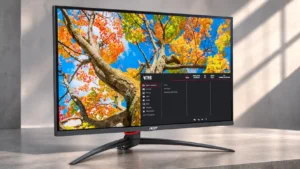
4K detail suits occasional editing, but careful calibration is needed if color accuracy matters.
Pros: HDR performance, overall satisfaction
Cons: local dimming performance, Blooming control