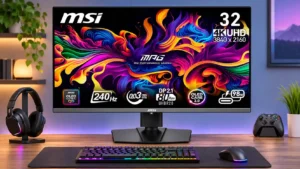
Overall: 4.0/5
Dual HDMI 2.1 ports are especially welcome for console players who want high-resolution, high-refresh input.
Pros: overall satisfaction, DisplayPort connectivity
Cons: value for money, reliability over time

Overall: 4.0/5
Dual HDMI 2.1 ports are especially welcome for console players who want high-resolution, high-refresh input.
Pros: overall satisfaction, DisplayPort connectivity
Cons: value for money, reliability over time
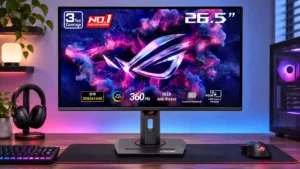
Overall: 4.4/5
Full-bandwidth HDMI 2.1 connections are a genuine advantage for modern consoles and PCs, adding flexibility over some competing OLED monitors.
Pros: color gamut, overall satisfaction
Cons: reflection handling, VRR flicker
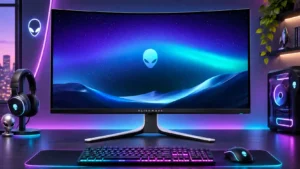
Overall: 3.6/5
Two full-bandwidth HDMI 2.1 ports provide dependable 4K high-refresh connectivity for computers and current consoles, a major advantage over limited HDMI implementations.
Pros: overall satisfaction, brightness
Cons: Dolby Vision support, VRR flicker
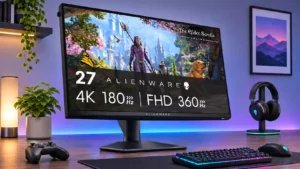
Overall: 3.9/5
Dual HDMI 2.1 inputs are praised for carrying high refresh rates and modern-console 4K/120Hz signals without sacrificing the monitor's gaming flexibility.
Pros: Resolution, refresh rate
Cons: HDR performance, contrast
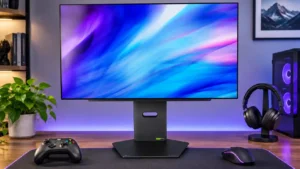
Overall: 4.0/5
Two HDMI 2.1 inputs are a good match for game consoles and additional devices, adding welcome flexibility to a PC-focused display.
Pros: refresh rate, competitive gaming suitability
Cons: value for money, brightness
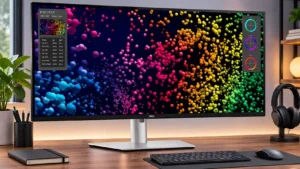
Overall: 4.4/5
HDMI 2.1 is a welcome part of the unusually flexible input selection, especially beside the Dell's Thunderbolt and DisplayPort connections.
Pros: overall picture quality, color accuracy
Cons: value for money, built-in speakers
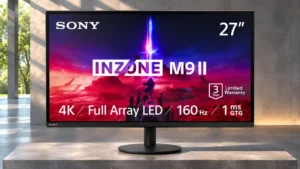
Overall: 3.9/5
Modern HDMI inputs make it versatile for contemporary consoles and other sources, pairing well with the monitor’s 4K gaming focus.
Pros: color gamut, stand adjustability
Cons: value for money, Bass reproduction
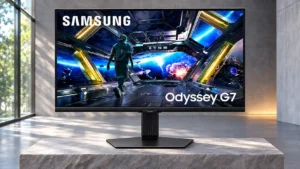
Overall: 3.1/5
HDMI 2.1 brings excellent console signal compatibility, although a handful of owners complain about unreliable HDMI handshakes or cable behavior.
Pros: PC gaming compatibility, overall picture quality
Cons: overall satisfaction, Smart TV platform
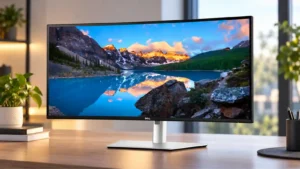
Overall: 4.0/5
HDMI is the only path called out for 120Hz variable-refresh-rate gaming, giving the monitor useful casual-gaming flexibility. The benefit is practical, though the gaming feature set remains limited overall.
Pros: overall satisfaction, productivity versatility
Cons: value for money, reliability over time
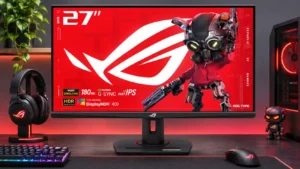
Overall: 3.8/5
HDMI is limited to version 2.0 and a lower refresh ceiling than DisplayPort, reducing flexibility for demanding console setups.
Pros: value for money, Resolution
Cons: HDR performance, port selection
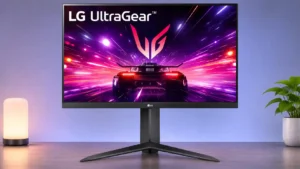
Overall: 3.3/5
The absence of HDMI 2.1 bandwidth limits its usefulness for buyers seeking premium console connections.
Pros: adaptive sync performance, response time
Cons: HDR performance, console gaming compatibility
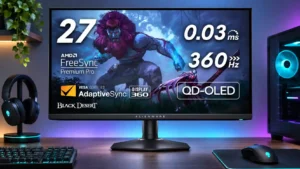
Overall: 4.2/5
The HDMI connection is the standout connectivity compromise: despite HDMI 2.1 labeling, its bandwidth is restricted and it cannot carry native 1440p at 360Hz.
Pros: competitive gaming suitability, color gamut
Cons: brightness, HDMI 2.1 support
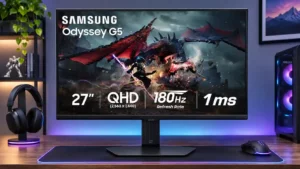
Overall: 3.6/5
HDMI 2.0 limits future-proof bandwidth and is a drawback for anyone prioritizing advanced console modes.
Pros: stand adjustability, competitive gaming suitability
Cons: value for money, port selection
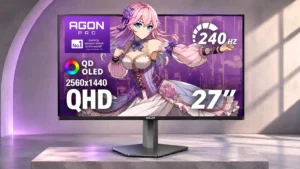
Overall: 4.0/5
The originally tested HDMI 2.0 inputs cap QHD refresh below DisplayPort performance and limit some console VRR features; later units are reported with different HDMI specifications.
Pros: value for money, overall satisfaction
Cons: HDR performance, HDMI 2.1 support