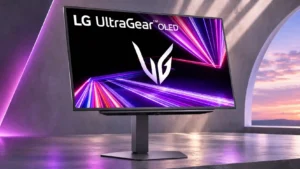
The stand can rotate the display vertically for portrait work.
Pros: overall satisfaction, value for money
Cons: reflection handling, screen uniformity

The stand can rotate the display vertically for portrait work.
Pros: overall satisfaction, value for money
Cons: reflection handling, screen uniformity
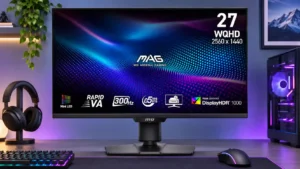
A smooth pivoting stand supports comfortable vertical screen placement without needing another mount.
Pros: HDR performance, black levels
Cons: viewing angles, response time
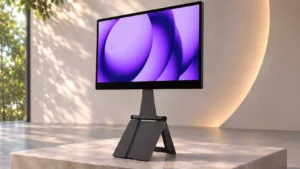
Rotating the screen is easy with the magnetic stand, making reading, code, vertical video, and sketching more convenient.
Pros: overall satisfaction, stand adjustability
Cons: value for money, reflection handling
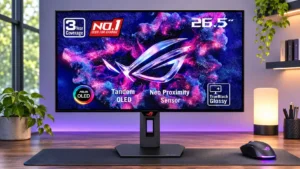
The adjustable stand pivots into vertical orientation, making portrait placement possible without buying another arm.
Pros: overall satisfaction, response time
Cons: reflection handling, VRR flicker

A fully rotating stand makes portrait browsing, programming and secondary-screen setups easy to arrange.
Pros: value for money, Resolution
Cons: port selection, competitive gaming suitability

The stand can pivot into a vertical position, helping accommodate document-heavy or stacked workflows without an extra mount.
Pros: port selection, USB hub functionality
Cons: competitive gaming suitability, motion clarity

Full 90-degree pivot makes portrait orientation easy for long documents or vertical layouts, aided by the stand's broad ergonomic adjustments.
Pros: sharpness, overall satisfaction
Cons: value for money, VRR flicker
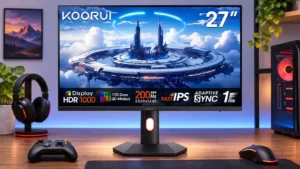
A smoothly adjustable pivot makes vertical documents, code, and long pages practical without a separate arm.
Pros: overall satisfaction, PC gaming compatibility
Cons: color accuracy, local dimming performance
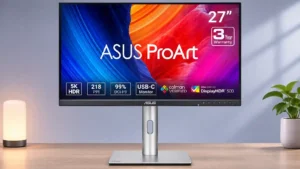
A full 90-degree pivot is particularly helpful for long documents, scores, timelines and vertical media. Its sheer size may look awkward in portrait for some desks.
Pros: value for money, Resolution
Cons: HDR performance, refresh rate
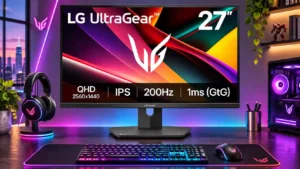
Pivot support lets the screen turn vertical for documents or an alternative display layout, and users appreciate the flexibility.
Pros: refresh rate, value for money
Cons: HDR performance, contrast
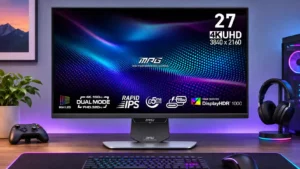
Full pivot lets the screen rotate for code or documents, supported by broad stand adjustments.
Pros: Dual-mode versatility, refresh rate
Cons: black levels, contrast
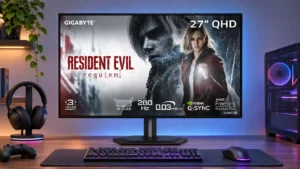
The stand pivots into portrait orientation, adding ergonomic flexibility for longer documents and vertical layouts.
Pros: brightness, contrast
Cons: Text fringing, speaker quality
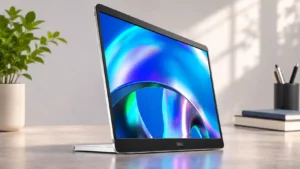
The portrait orientation earns praise for making the compact portable display easier to work with in everyday laptop setups.
Pros: brightness, portability and weight
Cons: value for money, port selection
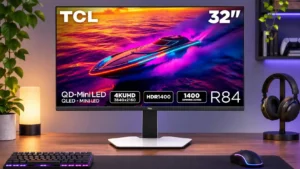
The full 90-degree pivot makes long pages, documents and code easier to display vertically.
Pros: brightness, HDR performance
Cons: speaker quality, built-in speakers
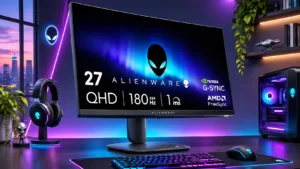
The stand can rotate to portrait, a useful option for alternate layouts, though screen clearance needs attention.
Pros: overall satisfaction, refresh rate
Cons: HDR performance, HDMI 2.1 support