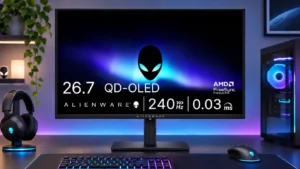
The broad color gamut makes games and compatible HDR material vivid and saturated, a major visual benefit at this price.
Pros: value for money, panel type
Cons: brightness, port selection

The broad color gamut makes games and compatible HDR material vivid and saturated, a major visual benefit at this price.
Pros: value for money, panel type
Cons: brightness, port selection
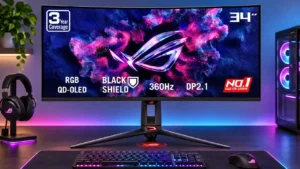
Exceptionally broad DCI-P3 coverage and vivid QD-OLED color volume give games and HDR media rich, saturated tones.
Pros: color gamut, contrast
Cons: value for money, Resolution
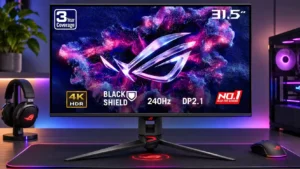
Wide QD-OLED color coverage creates richly saturated game worlds and HDR highlights. It also supplies flexible color-space options for work where faithful colors matter.
Pros: overall satisfaction, black levels
Cons: value for money, stand adjustability
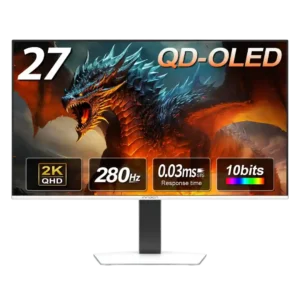
Color coverage is consistently excellent, with vibrant reds and greens and measured gamut results that meet or beat the advertised claims.
Pros: color gamut, overall picture quality
Cons: brightness, HDR performance
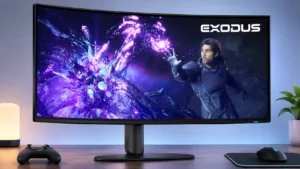
Wide DCI-P3 coverage and much stronger colored-light output than older white-subpixel WOLED designs make images vivid and saturated. Adobe RGB coverage is less exceptional than some competing professional-oriented screens.
Pros: overall satisfaction, Text fringing
Cons: brightness, Edge dimming behavior
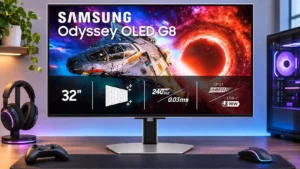
Rich, vibrant QD-OLED color is a major strength, with broad coverage for games and creative work. The lack of a dedicated sRGB clamp may make standard content too saturated.
Pros: PC gaming compatibility, reflection handling
Cons: color accuracy, VRR flicker
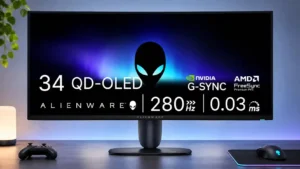
Wide DCI-P3 coverage delivers brilliant, saturated game and film color, and well-chosen presets can keep standard content natural.
Pros: brightness, value for money
Cons: port selection, built-in speakers
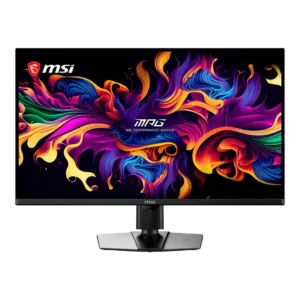
QD-OLED delivers near-complete DCI-P3 coverage and strong HDR color volume. The wide gamut is excellent for games, movies, and some creative work, especially when the correct color-space mode is selected.
Pros: brightness, reflection handling
Cons: cable management
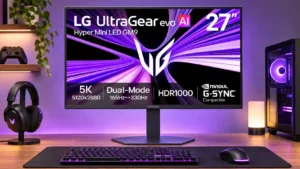
The exceptionally broad gamut produces rich, vivid HDR colors and appeals to photographers. SDR content needs proper gamut control to avoid oversaturation.
Pros: Resolution, Dual-mode versatility
Cons: value for money, GPU demands
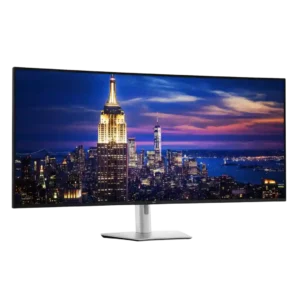
The display covers essentially all sRGB and nearly all DCI-P3, producing vivid color suitable for editing, design, and mixed professional use. Adobe RGB coverage is broad but not class-leading for...
Pros: productivity versatility, overall satisfaction
Cons: value for money, response time
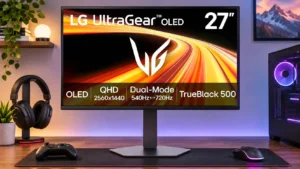
The wide color gamut gives games vivid, rich color; color purity is a frequent highlight of the newer Tandem OLED panel.
Pros: competitive gaming suitability, refresh rate
Cons: Dual-mode versatility, GPU demands
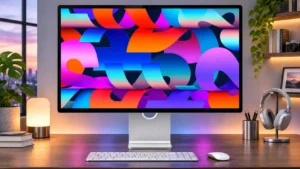
Wide P3 and near-complete sRGB coverage serve everyday creative work well, though some print-oriented Adobe RGB requirements favor specialist alternatives.
Pros: Monitor daisy-chaining, overall picture quality
Cons: value for money, refresh rate
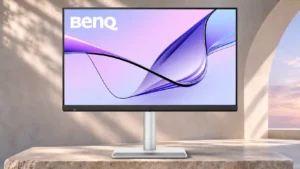
Wide P3 and sRGB coverage supports colorful photos, design projects, and other creative work, with several reviewers praising the results.
Pros: port selection, color accuracy
Cons: built-in speakers, speaker quality
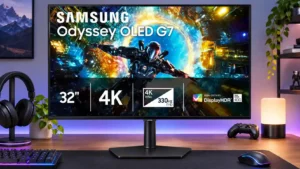
Wide DCI-P3 coverage gives HDR games and movies punchy colors, though color-critical precision is not established.
Pros: overall satisfaction, contrast
Cons: value for money, port selection
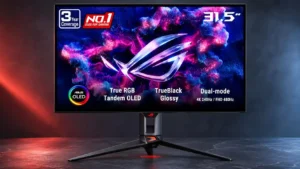
Coverage around the DCI-P3 space is generous and a step above older standard WOLEDs, though it falls slightly short of the widest competing OLED panels.
Pros: black levels, sharpness
Cons: value for money, brightness
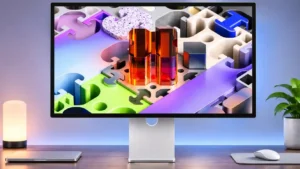
P3 and Adobe RGB support broadens creative options, though measured Adobe RGB coverage was lower than some expected.
Pros: refresh rate, HDR performance
Cons: value for money, Device compatibility
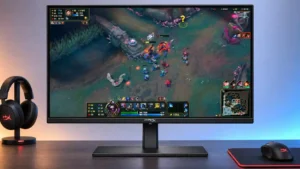
Colors are generally vibrant, with wide gamut coverage useful for gaming and creation. One comparison finds them slightly less vivid than some other QD-OLED rivals.
Pros: black levels, overall picture quality
Cons: brightness, Gaming feature selection
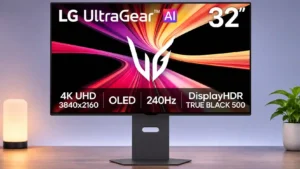
Wide, more vibrant colors mark a meaningful improvement over older WOLED panels for many users. A dissenting owner still found the newest ASUS QD-OLED more colorful.
Pros: brightness, color gamut
Cons: AI scene optimization, value for money
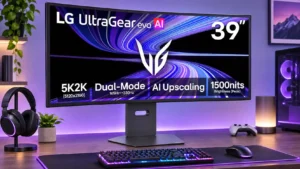
Coverage of modern wide color spaces is extensive, producing vibrant games and HDR imagery even if a few saturated colors remain outside its reach.
Pros: Resolution, overall satisfaction
Cons: value for money, Image scaling
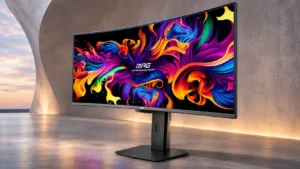
The very wide DCI-P3 and Adobe RGB coverage allows richly saturated games and broad creative color spaces, though unrestricted SDR modes can oversaturate.
Pros: refresh rate, Text fringing
Cons: Resolution, GPU demands
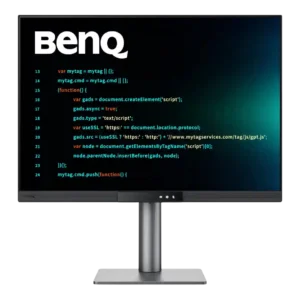
Color is vivid enough for general work, yet measured DCI-P3 coverage repeatedly fell below BenQ’s claim and below stronger rivals. Photos and videos can look less saturated than on wider-gamut...
Pros: productivity versatility, aspect ratio
Cons: value for money, competitive gaming suitability
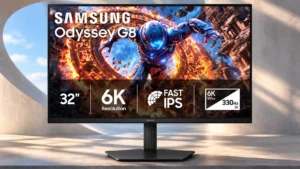
Coverage is broad enough for vivid general use and some creative work, yet falls short of wider-gamut OLED and some competing 5K panels.
Pros: Resolution, sharpness
Cons: value for money, HDR performance
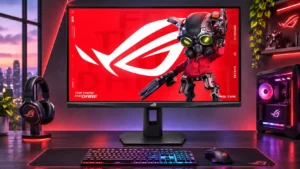
Colors are pleasantly vivid for IPS and suitable for gaming, but P3 coverage and saturation trail several premium OLED and wide-gamut rivals.
Pros: motion clarity, Backlight strobing
Cons: contrast, HDR performance