#1
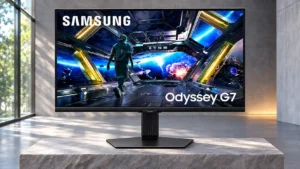
The 4K screen, HDMI 2.1 and 120Hz support make this a particularly strong match for modern Xbox and PlayStation use, with several enthusiastic owner endorsements.
Pros: PC gaming compatibility, overall picture quality
Cons: overall satisfaction, Smart TV platform
#2
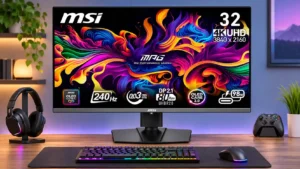
Two HDMI 2.1 connections support current console gaming well, including 4K/120Hz use. At 60Hz, the 240Hz-focused premium is harder to justify.
Pros: overall satisfaction, DisplayPort connectivity
Cons: value for money, reliability over time
#3
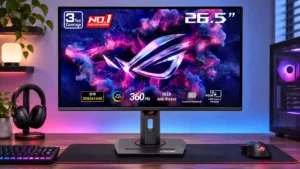
PS5 and Xbox can take advantage of HDMI 2.1, 120Hz and compatible VRR/HDR modes, though accepted 4K signals are displayed at native 1440p.
Pros: color gamut, overall satisfaction
Cons: reflection handling, VRR flicker
#4
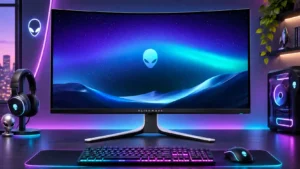
Full-bandwidth HDMI 2.1, VRR, HDR and Dolby Vision offer excellent modern console compatibility. The 16:9 panel avoids ultrawide game-format issues.
Pros: overall satisfaction, brightness
Cons: Dolby Vision support, VRR flicker
#5
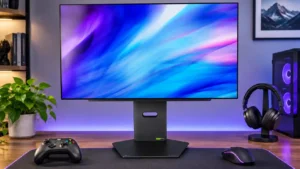
PS5 and Xbox work with modern HDMI signals and enjoy OLED contrast, but they cannot exploit 480Hz and a few lower-refresh quirks remain.
Pros: refresh rate, competitive gaming suitability
Cons: value for money, brightness
#6
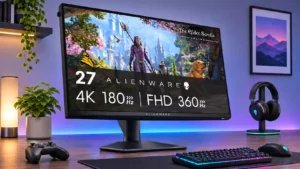
HDMI 2.1, 4K/120Hz and VRR make it a capable match for modern consoles. Its missing onboard audio options are less convenient for certain console setups.
Pros: Resolution, refresh rate
Cons: HDR performance, contrast
#7
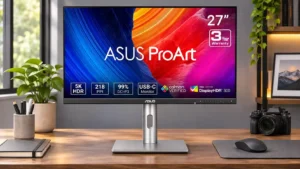
HDMI input allows console use for basic play, but without high-refresh benefits.
Pros: color accuracy, overall picture quality
Cons: HDR performance, refresh rate
#8
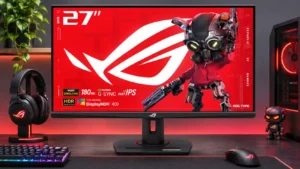
The 1440p image and variable refresh support make it appealing for responsive console play, but HDMI 2.0 and the absence of 4K limit the experience.
Pros: value for money, Resolution
Cons: HDR performance, port selection
#9
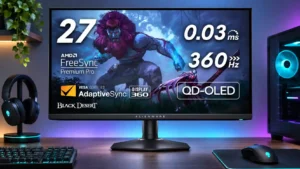
Consoles can use 1440p at 120Hz, but limited HDMI bandwidth restricts higher-bandwidth modes and complicates the ideal 4K HDR/120Hz combination.
Pros: competitive gaming suitability, color gamut
Cons: brightness, HDMI 2.1 support
#10
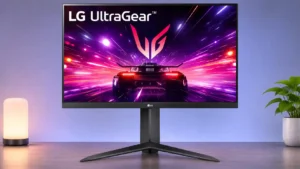
The monitor can accept common 1080p console signals, including 120Hz, but lacks some console-oriented VRR and ALLM behavior. It is a better choice for PC-only than console-only gaming.
Pros: adaptive sync performance, response time
Cons: HDR performance, console gaming compatibility
#11
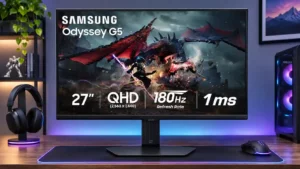
Consoles can use standard high-refresh modes, but missing PS5 VRR and HDMI 2.1 reduce its appeal as a console-first screen.
Pros: stand adjustability, competitive gaming suitability
Cons: value for money, port selection
#12
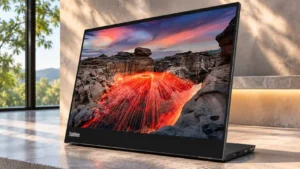
There is no HDMI input, making conventional console hookup a nonstarter without an untested workaround. The monitor is built for compatible USB-C computers instead.
Pros: overall picture quality, Stylus usability
Cons: port selection, refresh rate
