Best for Color brightness
MSI MPG 341CQR QD-OLED X36
5.0 attribute score
Highest scored product for this attribute based on supporting review evidence.

Highest scored product for this attribute based on supporting review evidence.
Balances the attribute score, supporting reviews, and overall product strength.
Has the broadest review evidence for this attribute.
Strongest overall product among items with scored evidence for this attribute.
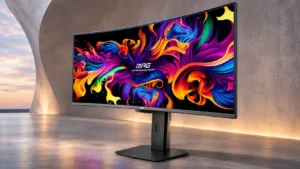
Colors retain vividness as brightness increases, giving QD-OLED images an unusually rich, saturated look.
Pros: refresh rate, Text fringing
Cons: Resolution, GPU demands
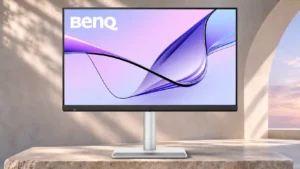
Colors appear lively and saturated without routinely looking artificial, helping both photos and everyday content stand out.
Pros: port selection, color accuracy
Cons: built-in speakers, speaker quality
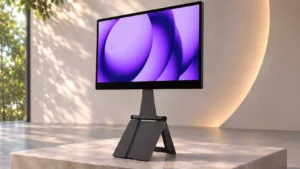
Vivid, punchy colors help photos, graphics, and video feel lively rather than washed out.
Pros: overall satisfaction, stand adjustability
Cons: value for money, reflection handling
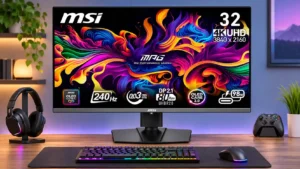
Bright, punchy colors help scenes pop, even where the panel lacks the highest full-screen luminance.
Pros: overall satisfaction, DisplayPort connectivity
Cons: value for money, reliability over time
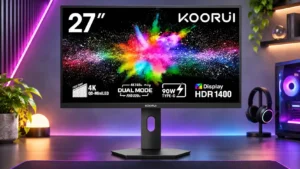
Bright saturated colors have impressive punch in games and HDR scenes, giving even muted scenery surprising vibrancy.
Pros: HDR performance, overall satisfaction
Cons: HDR highlight detail, color accuracy
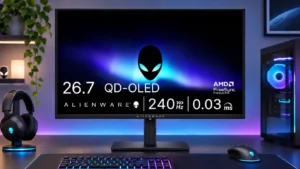
QD-OLED’s saturated colored highlights can appear punchier than brighter-on-paper alternatives.
Pros: value for money, panel type
Cons: brightness, port selection
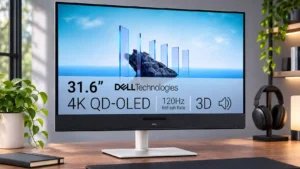
Colors look lively without obvious oversaturation in the cited testing, helping the display retain its vivid appearance.
Pros: overall picture quality, overall satisfaction
Cons: port selection, brightness
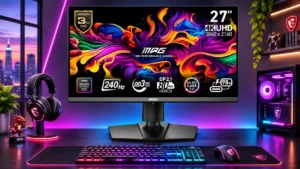
Saturated bright colors hold their impact in HDR, giving glowing objects and natural accents pleasing separation.
Pros: HDR performance, DisplayPort connectivity
Cons: value for money, brightness
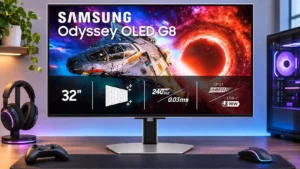
The QD-OLED layer maintains vivid saturation even as bright HDR elements intensify, keeping colorful scenes energetic.
Pros: PC gaming compatibility, reflection handling
Cons: color accuracy, VRR flicker
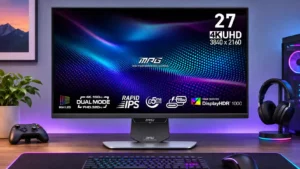
Quantum dots and excellent large-area brightness produce lively HDR colors, with dark-scene color accuracy less assured.
Pros: Dual-mode versatility, refresh rate
Cons: black levels, contrast
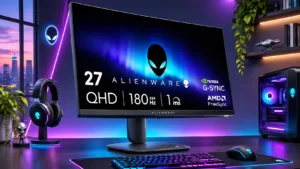
Rich, bright colors make visually driven games attractive in normal use.
Pros: overall satisfaction, refresh rate
Cons: HDR performance, HDMI 2.1 support
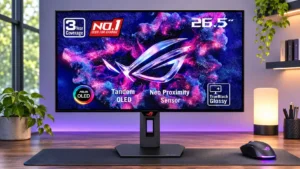
Colors appear more vivid than on older WOLED models, although pure-color brightness still trails top QD-OLED alternatives.
Pros: overall satisfaction, response time
Cons: reflection handling, VRR flicker
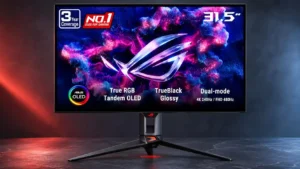
Removing the extra white subpixel improves the vibrancy of bright saturated colors compared with older WOLED designs, although QD-OLED competitors can still have an edge.
Pros: black levels, sharpness
Cons: value for money, brightness
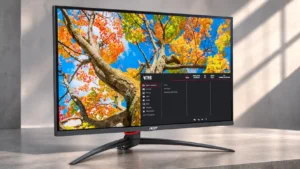
Bright scenes and vibrant colors can impress, although the panel struggles to maintain the same richness in darker shades.
Pros: HDR performance, overall satisfaction
Cons: local dimming performance, Blooming control
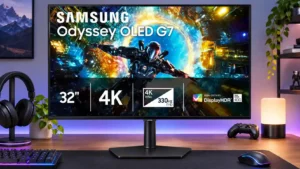
Colors can look strikingly vibrant, though the WOLED panel lacks some of the vivid color purity available from competing QD-OLED models.
Pros: overall satisfaction, contrast
Cons: value for money, port selection
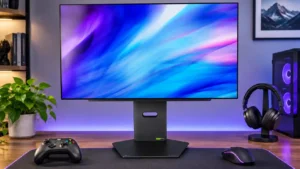
Rich hues stand out beautifully against OLED blacks, although bright saturated colors are not as intense as on some QD-OLED or newer tandem-OLED panels.
Pros: refresh rate, competitive gaming suitability
Cons: value for money, brightness
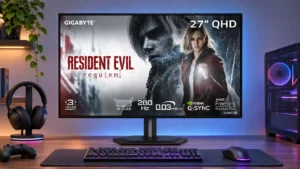
The newer Tandem panel delivers much greater saturation and color purity than earlier WOLEDs. Very bright saturated HDR colors can still trail QD-OLED alternatives.
Pros: brightness, contrast
Cons: Text fringing, speaker quality
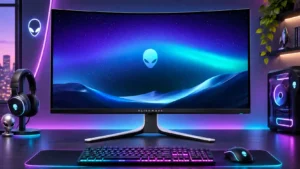
The QD-OLED panel keeps saturated colors impressively bright, making highlights vivid without relying entirely on white brightness.
Pros: overall satisfaction, brightness
Cons: Dolby Vision support, VRR flicker
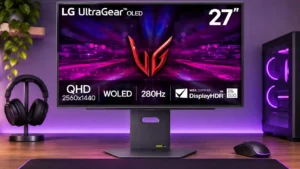
Tandem OLED makes bright, saturated colors more convincing than older WOLEDs, but QD-OLED alternatives can still deliver stronger color luminance.
Pros: reflection handling, HDR performance
Cons: screen uniformity, Screen coating clarity
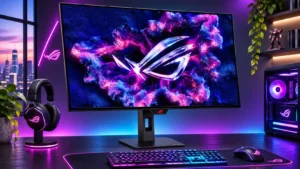
Colors can look vibrant and rich, but several testers found bright saturated tones less punchy than on comparable QD-OLED models.
Pros: overall satisfaction, black levels
Cons: reflection handling, Color brightness
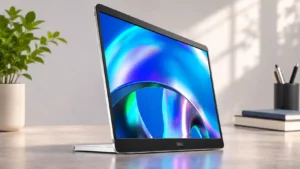
Some find its colors satisfyingly saturated; others see muted tones compared with richer display technologies.
Pros: brightness, portability and weight
Cons: value for money, port selection
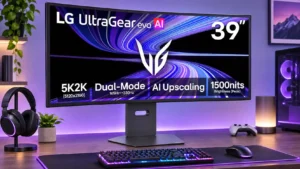
Colors are impressive overall, but the white-subpixel design cannot match the brightest saturated colors available from some QD-OLED competitors.
Pros: Resolution, overall satisfaction
Cons: value for money, Image scaling
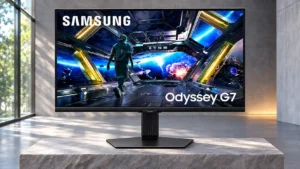
Bright and very dark saturated colors are difficult for the panel to reproduce vividly in HDR.
Pros: PC gaming compatibility, overall picture quality
Cons: overall satisfaction, Smart TV platform