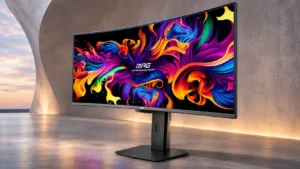
Colors retain vividness as brightness increases, giving QD-OLED images an unusually rich, saturated look.
Pros: refresh rate, Text fringing
Cons: Resolution, GPU demands

Colors retain vividness as brightness increases, giving QD-OLED images an unusually rich, saturated look.
Pros: refresh rate, Text fringing
Cons: Resolution, GPU demands
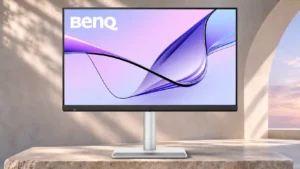
Colors appear lively and saturated without routinely looking artificial, helping both photos and everyday content stand out.
Pros: port selection, color accuracy
Cons: built-in speakers, speaker quality
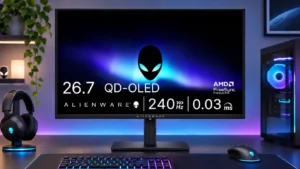
QD-OLED’s saturated colored highlights can appear punchier than brighter-on-paper alternatives.
Pros: value for money, panel type
Cons: brightness, port selection
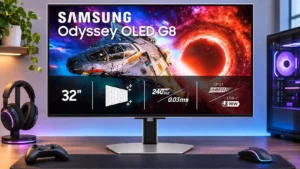
The QD-OLED layer maintains vivid saturation even as bright HDR elements intensify, keeping colorful scenes energetic.
Pros: PC gaming compatibility, reflection handling
Cons: color accuracy, VRR flicker
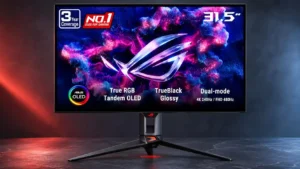
Removing the extra white subpixel improves the vibrancy of bright saturated colors compared with older WOLED designs, although QD-OLED competitors can still have an edge.
Pros: black levels, sharpness
Cons: value for money, brightness
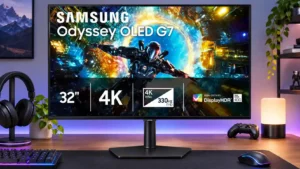
Colors can look strikingly vibrant, though the WOLED panel lacks some of the vivid color purity available from competing QD-OLED models.
Pros: overall satisfaction, contrast
Cons: value for money, port selection
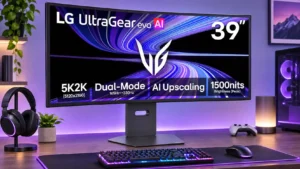
Colors are impressive overall, but the white-subpixel design cannot match the brightest saturated colors available from some QD-OLED competitors.
Pros: Resolution, overall satisfaction
Cons: value for money, Image scaling