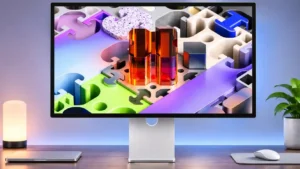
Exceptional calibration, reference modes, and wide gamut support suit professional precision work, with minor gamut and gamma limitations.
Pros: refresh rate, HDR performance
Cons: value for money, Device compatibility

Exceptional calibration, reference modes, and wide gamut support suit professional precision work, with minor gamut and gamma limitations.
Pros: refresh rate, HDR performance
Cons: value for money, Device compatibility
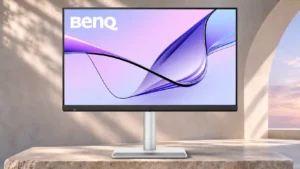
MacBook-like consistency and favorable accuracy make color-sensitive work a strength, though specialist calibration documentation may still be preferable.
Pros: port selection, color accuracy
Cons: built-in speakers, speaker quality

Accurate SDR modes and successful calibration make creative color work practical, but Adobe RGB users need profiling and should account for HDR brightness and tone-mapping limits.
Pros: black levels, sharpness
Cons: value for money, brightness
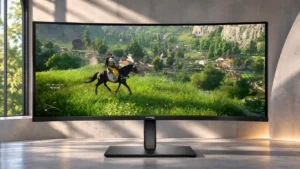
An accurate sRGB mode and broad workspace make the monitor credible for color-conscious editing, although static-interface OLED considerations still apply.
Pros: refresh rate, color accuracy
Cons: console gaming compatibility, DisplayPort connectivity
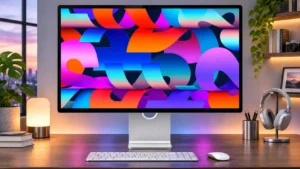
Excellent sRGB accuracy and P3 color help many designers and editors, but the absence of advanced HDR and full Adobe RGB modes limits specialist work.
Pros: Monitor daisy-chaining, overall picture quality
Cons: value for money, refresh rate

Precise factory and calibrated colors make the display viable for color-sensitive tasks, though the correct mode is important and OLED burn-in limits static-heavy work.
Pros: color gamut, contrast
Cons: value for money, Resolution
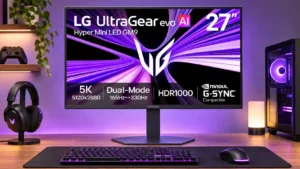
The wide gamut and fine 5K detail benefit image and design work, particularly with calibrated profiles. Its default color and white-point tuning do not replace a proper reference calibration.
Pros: Resolution, Dual-mode versatility
Cons: value for money, GPU demands
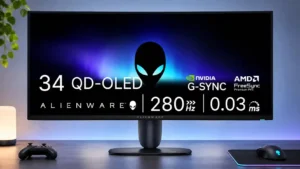
Accurate sRGB and DCI-P3 modes make the screen workable for many creative tasks, although specialized color spaces and fine controls can require external calibration.
Pros: brightness, value for money
Cons: port selection, built-in speakers
Accurate factory colors and strong gamut coverage make it a credible creative companion, though calibration controls are limited.
Pros: black levels, overall picture quality
Cons: brightness, Gaming feature selection
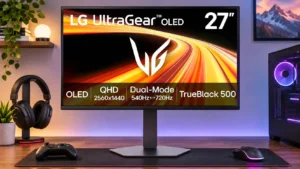
Its more accurate sRGB option makes light creation work possible, though overly vivid gaming modes are not ideal for precision color.
Pros: competitive gaming suitability, refresh rate
Cons: Dual-mode versatility, GPU demands
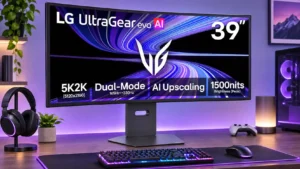
Color work benefits from calibration tools and competent sRGB/DCI-P3 presets, but default oversaturation and HDR mode tradeoffs require attention.
Pros: Resolution, overall satisfaction
Cons: value for money, Image scaling

Strong gamut coverage and calibration support make it workable for accurate color jobs, with better results after using the proper profile.
Pros: refresh rate, Text fringing
Cons: Resolution, GPU demands
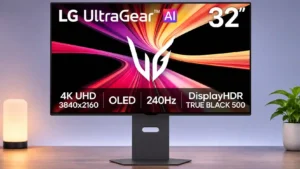
Its wide gamut and capable calibration make creative work possible, but professional color-critical use requires careful setup and consistency checks.
Pros: brightness, color gamut
Cons: AI scene optimization, value for money
Factory accuracy and the wide gamut make the display credible for many creative projects. Variable luminance uniformity and no hardware calibration make the most exacting color work less ideal.
Pros: overall satisfaction, Text fringing
Cons: brightness, Edge dimming behavior