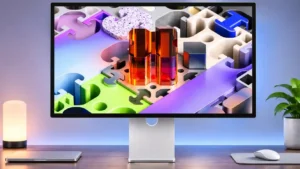
Very high brightness and the optional nano-texture surface make sunlit desks and studio lighting much easier to manage.
Pros: refresh rate, HDR performance
Cons: value for money, Device compatibility

Very high brightness and the optional nano-texture surface make sunlit desks and studio lighting much easier to manage.
Pros: refresh rate, HDR performance
Cons: value for money, Device compatibility

High brightness, even with Pulsar operating, makes it a particularly strong choice for sunny or brightly lit gaming spaces.
Pros: motion clarity, Backlight strobing
Cons: contrast, HDR performance
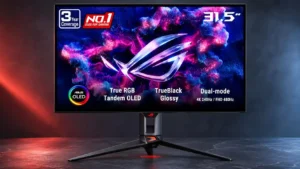
The panel keeps blacks impressively dark under ambient light, but windows or lamps directly facing its glossy surface can create intrusive reflections.
Pros: black levels, sharpness
Cons: value for money, brightness
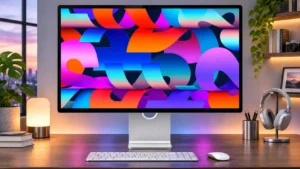
The display is plenty bright for daytime offices; nano-texture glass is especially effective against windows and studio lighting, with a tradeoff in glossy clarity.
Pros: Monitor daisy-chaining, overall picture quality
Cons: value for money, refresh rate
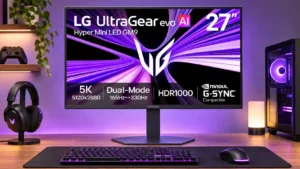
The unusually bright panel and anti-glare coating make the screen practical in daylight. One test found its image a little washed out under exceptionally intense lighting.
Pros: Resolution, Dual-mode versatility
Cons: value for money, GPU demands
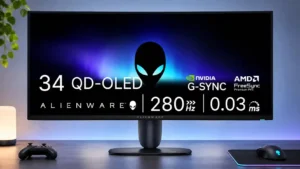
Improved surface treatment and higher brightness make daytime use far more practical than older QD-OLED ultrawides. Reflections and some black-level lift remain possible opposite bright windows.
Pros: brightness, value for money
Cons: port selection, built-in speakers
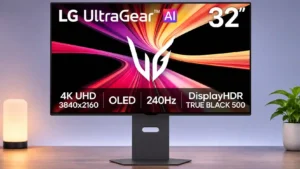
The matte finish usually controls overhead lights and ambient reflections well, though a sunny window directly opposite the screen can still overpower it.
Pros: brightness, color gamut
Cons: AI scene optimization, value for money
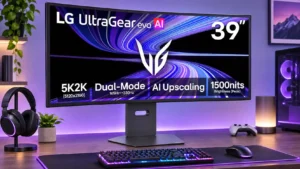
The matte coating and strong OLED brightness help with bright rooms; a sunny window directly on the panel remains a challenge.
Pros: Resolution, overall satisfaction
Cons: value for money, Image scaling
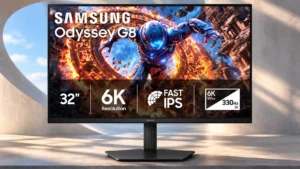
The reasonably bright IPS panel is comfortable in ordinary indoor light and holds an advantage over some dimmer OLED alternatives; dedicated productivity displays can still get brighter.
Pros: Resolution, sharpness
Cons: value for money, HDR performance
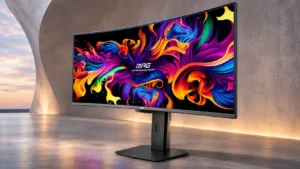
The improved finish makes everyday bright-room use more viable, but glare and raised blacks remain possible in strong direct lighting.
Pros: refresh rate, Text fringing
Cons: Resolution, GPU demands
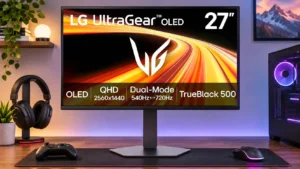
Some praise the matte coating and adequate brightness in a sunny study; others found direct glare overpowering its SDR output.
Pros: competitive gaming suitability, refresh rate
Cons: Dual-mode versatility, GPU demands
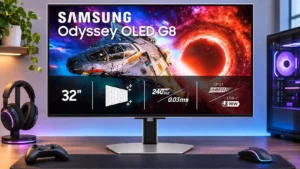
Glare is handled exceptionally well, but raised purple-looking blacks in strong ambient light prevent a uniformly excellent daylight image.
Pros: PC gaming compatibility, reflection handling
Cons: color accuracy, VRR flicker
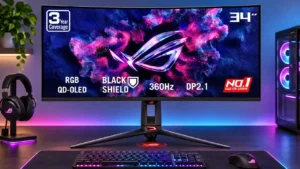
BlackShield offers a welcome improvement over earlier QD-OLEDs, with less purple tint and subdued reflections. WOLED alternatives still keep darker blacks in well-lit spaces.
Pros: color gamut, contrast
Cons: value for money, Resolution