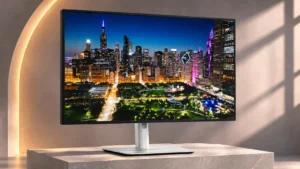
Overall: 4.2/5
Mac-style 3008-by-1962 scaling can create a practical single-screen workspace on the large panel without sacrificing legibility.
Pros: port selection, overall satisfaction
Cons: value for money, competitive gaming suitability

Overall: 4.2/5
Mac-style 3008-by-1962 scaling can create a practical single-screen workspace on the large panel without sacrificing legibility.
Pros: port selection, overall satisfaction
Cons: value for money, competitive gaming suitability
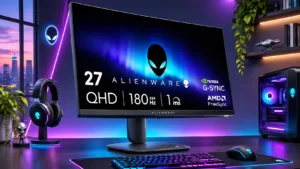
Overall: 4.0/5
It can accept a 4K/60Hz console feed and display it on the native QHD panel, which adds flexibility but not true 4K resolution.
Pros: overall satisfaction, refresh rate
Cons: HDR performance, HDMI 2.1 support
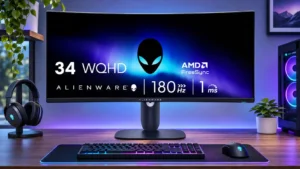
Overall: 3.7/5
Console 4K signals can be downscaled for more detail at 60Hz, but the panel does not provide native ultrawide console output.
Pros: ultrawide gaming experience, black levels
Cons: HDR performance, viewing angles
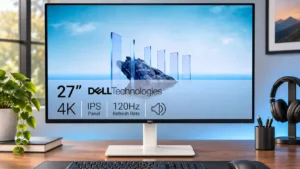
Overall: 3.8/5
Lower-than-native resolutions remain usable and can be sharpened, although QHD monitor-side scaling is limited to 60Hz and looks softer than 4K.
Pros: value for money, Resolution
Cons: port selection, HDR performance
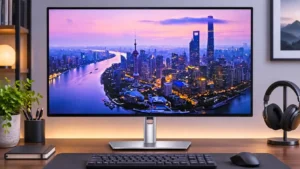
Overall: 4.2/5
Mac users can find 4K scaling slightly less crisp than native 5K. Third-party scaling controls help tailor interface sizes, but do not eliminate the underlying tradeoff.
Pros: port selection, USB hub functionality
Cons: competitive gaming suitability, motion clarity
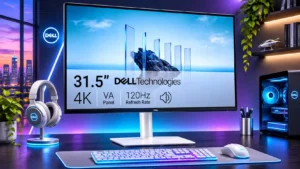
Overall: 3.7/5
Windows scaling can make small 4K text comfortable; one dissatisfied user found some scaled resolutions noticeably blurry.
Pros: value for money, Resolution
Cons: stand adjustability, viewing angles
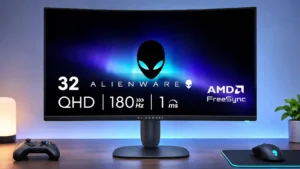
Overall: 4.1/5
Custom scaled resolutions above 60Hz reportedly trigger frame skipping, limiting flexibility for unusual display modes.
Pros: value for money, overall satisfaction
Cons: HDR performance, Headphone output quality