#1
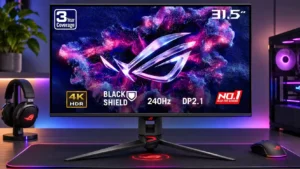
Overall: 4.2/5
Large, detailed worlds look magnificent thanks to rich QD-OLED colors, deep blacks, HDR highlights, and the immersive 32-inch canvas. This is where the monitor attracts its strongest recommendations.
Pros: overall satisfaction, black levels
Cons: value for money, stand adjustability
#2
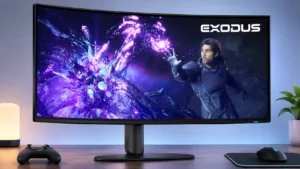
Overall: 4.3/5
Large-scale RPGs and cinematic titles benefit from the wide field of view, vivid HDR color and fine detail. The 165Hz native mode is sufficient for many demanding single-player games.
Pros: overall satisfaction, Text fringing
Cons: brightness, Edge dimming behavior
#3
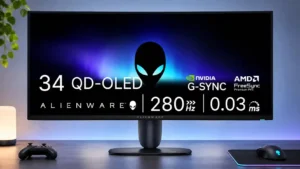
Overall: 4.4/5
Deep blacks, striking highlights and a wraparound field of view make story-driven and atmospheric games a particular strength.
Pros: brightness, value for money
Cons: port selection, built-in speakers
#4
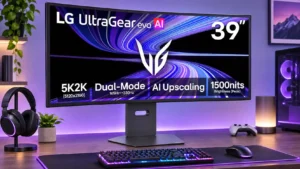
Overall: 4.1/5
Atmospheric and cinematic games flourish on the large, sharp OLED, with high contrast and impressive HDR lighting.
Pros: Resolution, overall satisfaction
Cons: value for money, Image scaling
#5
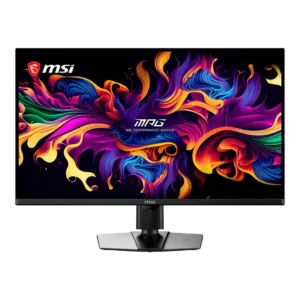
Overall: 4.4/5
The large 4K OLED panel excels in atmospheric, colorful, and story-driven games, where its deep blacks and HDR highlights create a highly cinematic image. Reviewers repeatedly preferred it for RPGs...
Pros: brightness, reflection handling
Cons: cable management
#6
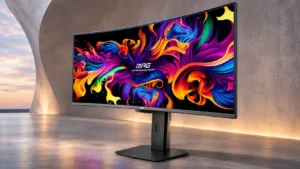
Overall: 4.4/5
Expansive worlds, dramatic lighting, and rich colors make story-driven and cinematic games feel especially immersive.
Pros: refresh rate, Text fringing
Cons: Resolution, GPU demands
#7
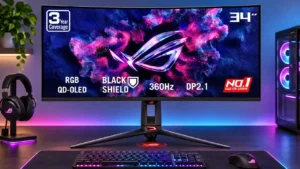
Overall: 4.5/5
Detailed scenes, immersive 21:9 framing and vivid HDR make cinematic single-player games look superb.
Pros: color gamut, contrast
Cons: value for money, Resolution
#8
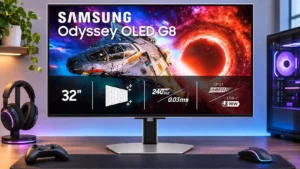
Overall: 4.1/5
Deep shadows, vibrant HDR lighting and detailed 4K scenes make cinematic games exceptionally immersive. Some HDR modes need care to avoid crushed blacks.
Pros: PC gaming compatibility, reflection handling
Cons: color accuracy, VRR flicker
#9
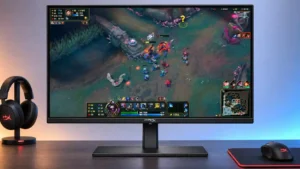
Overall: 4.1/5
Deep shadows, vivid scenery, and smooth camera motion suit atmospheric adventures, racing, and RPGs very well.
Pros: black levels, overall picture quality
Cons: brightness, Gaming feature selection
#10
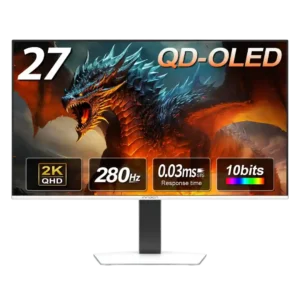
Overall: 4.3/5
Single-player games benefit from the deep blacks, vivid color, and strong contrast, giving cinematic scenes far more impact than conventional panels.
Pros: color gamut, overall picture quality
Cons: brightness, HDR performance
#11
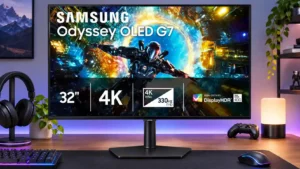
Overall: 3.8/5
Story-driven and visually rich games are a great match for the large 4K OLED panel’s striking blacks, contrast, and detail.
Pros: overall satisfaction, contrast
Cons: value for money, port selection
#12
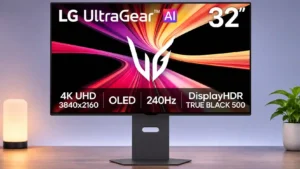
Overall: 3.9/5
Native 4K at 240Hz and OLED HDR are especially well suited to richly detailed story games and atmospheric scenes.
Pros: brightness, color gamut
Cons: AI scene optimization, value for money
#13
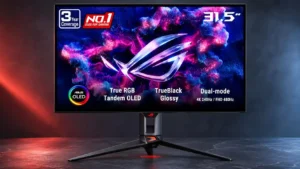
Overall: 4.3/5
Perfect blacks, vivid color and sharp environmental details are especially attractive for cinematic titles, though bright HDR scenes may look restrained.
Pros: black levels, sharpness
Cons: value for money, brightness
#14
Overall: 4.4/5
The detailed, colorful panel is fine for occasional single-player titles, but motion remains slower than dedicated gaming displays.
Pros: port selection, color accuracy
Cons: built-in speakers, speaker quality
#15
Overall: 4.4/5
Story-driven and vertically oriented games can look unusually immersive, with more scenery visible above and ahead. The presentation is vibrant and enjoyable, though not every game handles 3:2 equally well.
Pros: productivity versatility, aspect ratio
Cons: value for money, competitive gaming suitability
#16
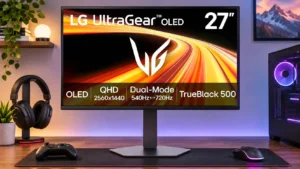
Overall: 4.1/5
Deep blacks, vivid colors, and bright HDR make cinematic games attractive, though glossy or higher-resolution alternatives may be more immersive for solo play.
Pros: competitive gaming suitability, refresh rate
Cons: Dual-mode versatility, GPU demands
#17
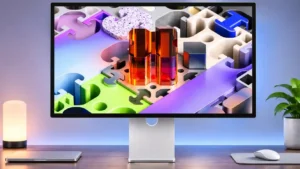
Overall: 4.2/5
Vivid HDR scenery looks compelling for slower-paced action and exploration, although LCD response times limit fast movement.
Pros: refresh rate, HDR performance
Cons: value for money, Device compatibility
#18
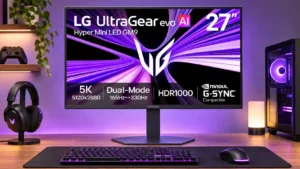
Overall: 4.0/5
Native 5K detail and vivid HDR can flatter richly rendered campaigns. Some dark scenes are over-dimmed, making OLED alternatives more dependable for cinematic HDR perfectionists.
Pros: Resolution, Dual-mode versatility
Cons: value for money, GPU demands
#19
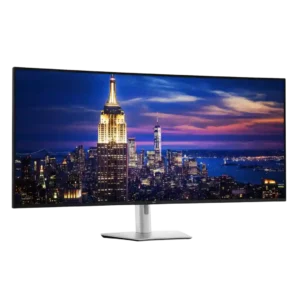
Overall: 4.3/5
Large-scale strategy, simulation, and cinematic games can be deeply enjoyable on the 52-inch canvas. Dark-room contrast and slower motion keep it behind OLED alternatives for movie-like gaming.
Pros: productivity versatility, overall satisfaction
Cons: value for money, response time
#20
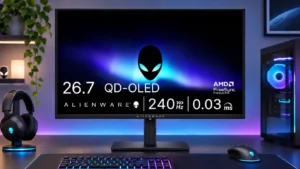
Overall: 3.8/5
Dark, cinematic games gain rich blacks and color, but limited HDR highlight brightness can reduce their intended impact.
Pros: value for money, panel type
Cons: brightness, port selection
#21
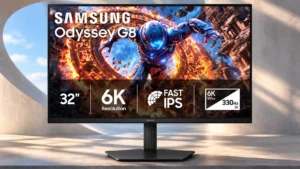
Overall: 3.5/5
Cinematic games look extremely detailed at native 6K when hardware can cope, but modest HDR and lower performance detract from the spectacle.
Pros: Resolution, sharpness
Cons: value for money, HDR performance
#22
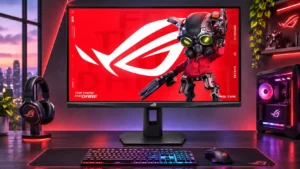
Overall: 3.9/5
Vibrant worlds and sharp motion work well for immersive single-player games, but some prefer OLED for darker scenes, richer HDR, and cinematic contrast.
Pros: motion clarity, Backlight strobing
Cons: contrast, HDR performance
#23
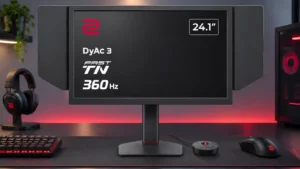
Overall: 3.8/5
The focus on pure motion rather than HDR contrast or immersion leaves narrative-heavy, cinematic games better served by OLED.
Pros: competitive gaming suitability, motion clarity
Cons: contrast, overall picture quality
