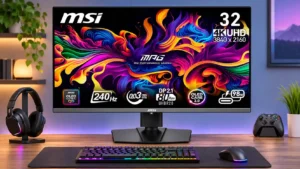
Overall: 4.0/5
The larger panel, striking blacks and vibrant highlights transform cinematic and open-world games into especially immersive experiences.
Pros: overall satisfaction, DisplayPort connectivity
Cons: value for money, reliability over time

Overall: 4.0/5
The larger panel, striking blacks and vibrant highlights transform cinematic and open-world games into especially immersive experiences.
Pros: overall satisfaction, DisplayPort connectivity
Cons: value for money, reliability over time
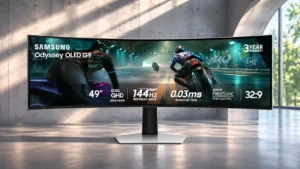
Overall: 3.7/5
Immersive panoramic scenes, deep blacks and responsive 144Hz motion make story-driven games a natural fit.
Pros: value for money, black levels
Cons: refresh rate, portability and weight
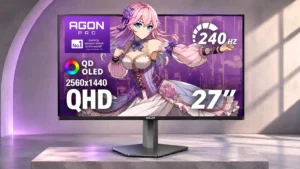
Overall: 4.0/5
Dark, atmospheric environments and colorful open worlds benefit from the panel's rich contrast and immersive image.
Pros: value for money, overall satisfaction
Cons: HDR performance, HDMI 2.1 support
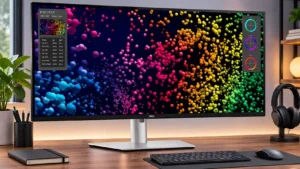
Overall: 4.4/5
The large curved image and smooth 120Hz feel especially satisfying for slower cinematic games rather than competitive play.
Pros: overall picture quality, color accuracy
Cons: value for money, built-in speakers
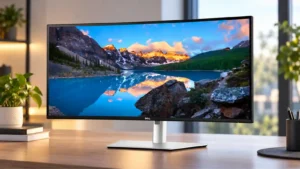
Overall: 4.0/5
For slower single-player and story-driven games, the ultrawide image can look gorgeous. One owner specifically praises RPG and story-game visuals despite the monitor’s broader gaming limitations.
Pros: overall satisfaction, productivity versatility
Cons: value for money, reliability over time
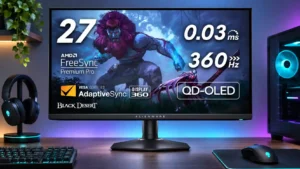
Overall: 4.2/5
Atmospheric, narrative-driven games benefit enormously from saturated color, precise highlights and black scenes, even when they do not approach 360fps.
Pros: competitive gaming suitability, color gamut
Cons: brightness, HDMI 2.1 support
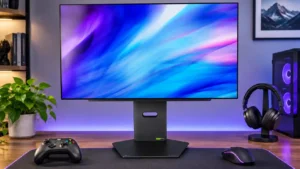
Overall: 4.0/5
Deep OLED blacks, rich colors and vivid effects make immersive games a pleasure, though full-screen brightness trails newer panels.
Pros: refresh rate, competitive gaming suitability
Cons: value for money, brightness
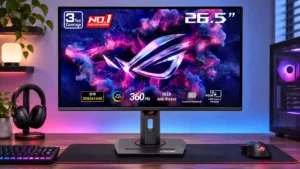
Overall: 4.4/5
OLED contrast and color make story-driven games striking, but 360Hz is often unnecessary and bright-scene HDR can be less compelling than higher-resolution alternatives.
Pros: color gamut, overall satisfaction
Cons: reflection handling, VRR flicker
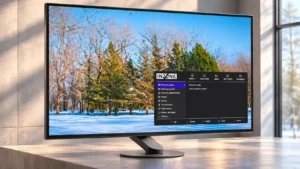
Overall: 4.2/5
Cinematic and single-player games look vibrant and immersive thanks to OLED contrast and HDR. Players prioritizing maximum 4K detail over frame rate have more compelling alternatives.
Pros: refresh rate, overall satisfaction
Cons: value for money, port selection
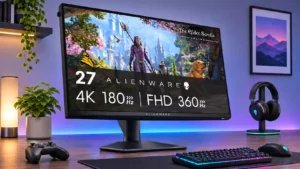
Overall: 3.9/5
Detailed 4K visuals and vivid color suit expansive single-player games, but flat blacks and modest HDR reduce their cinematic impact in dark scenes.
Pros: Resolution, refresh rate
Cons: HDR performance, contrast
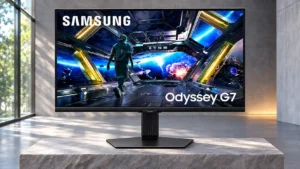
Overall: 3.1/5
The fine 4K detail helps visually rich games, even though weak contrast limits the dramatic impact of dark scenes.
Pros: PC gaming compatibility, overall picture quality
Cons: overall satisfaction, Smart TV platform
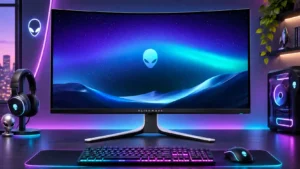
Overall: 3.6/5
Rich HDR scenes, deep blacks, sharp 4K assets and the gently curved 32-inch screen make story-driven games particularly immersive.
Pros: overall satisfaction, brightness
Cons: Dolby Vision support, VRR flicker
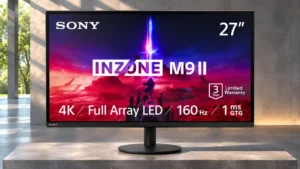
Overall: 3.9/5
Large, richly detailed game worlds can look captivating, but blooming and clouding in slow, dark scenes may break immersion.
Pros: color gamut, stand adjustability
Cons: value for money, Bass reproduction
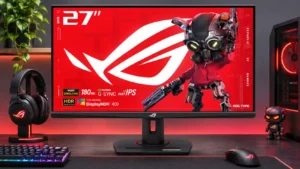
Overall: 3.8/5
Colorful adventures look impressive, but dark cinematic scenes suffer from gray blacks and modest HDR. Better-contrast rivals suit this style more.
Pros: value for money, Resolution
Cons: HDR performance, port selection
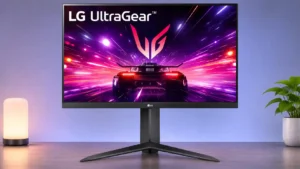
Overall: 3.3/5
Single-player games are playable, but dark or cinematic scenes lack the deep blacks and contrast needed for dramatic atmosphere.
Pros: adaptive sync performance, response time
Cons: HDR performance, console gaming compatibility