Best for single-player cinematic gaming suitability
MSI MPG 322URX QD-OLED
5.0 attribute score
Highest scored product for this attribute based on supporting review evidence.

Highest scored product for this attribute based on supporting review evidence.
Balances the attribute score, supporting reviews, and overall product strength.
Has the broadest review evidence for this attribute.
Strongest overall product among items with scored evidence for this attribute.
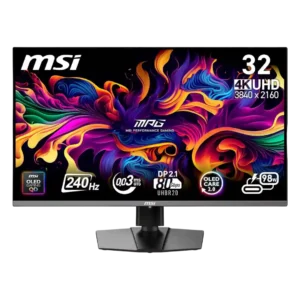
The large OLED panel excels in cinematic, horror, open-world, and HDR-heavy games. Deep blacks, vivid color, and scale make visually rich titles especially immersive.
Pros: color accuracy, value for money
Cons: reliability over time, brightness
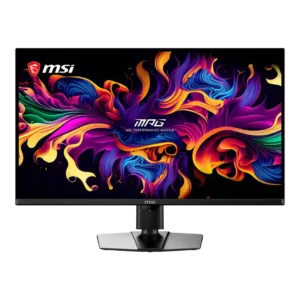
The large 4K OLED panel excels in atmospheric, colorful, and story-driven games, where its deep blacks and HDR highlights create a highly cinematic image. Reviewers repeatedly preferred it for RPGs...
Pros: brightness, reflection handling
Cons: cable management
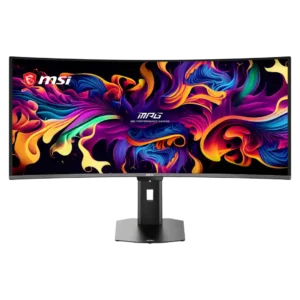
The wide 21:9 canvas, perfect blacks, vivid HDR, and rich color make story-driven, racing, and open-world games especially cinematic.
Pros: overall satisfaction, sharpness
Cons: Resolution, cable management
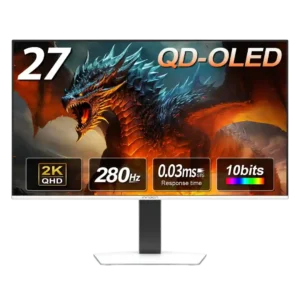
Single-player games benefit from the deep blacks, vivid color, and strong contrast, giving cinematic scenes far more impact than conventional panels.
Pros: color gamut, overall picture quality
Cons: brightness, HDR performance
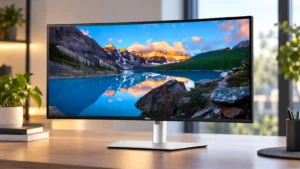
For slower single-player and story-driven games, the ultrawide image can look gorgeous. One owner specifically praises RPG and story-game visuals despite the monitor’s broader gaming limitations.
Pros: overall satisfaction, productivity versatility
Cons: value for money, reliability over time
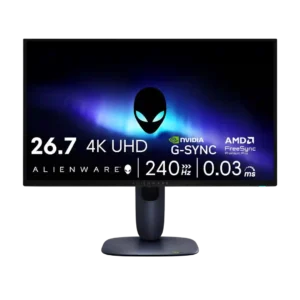
Single-player cinematic gaming was a clear strength because the monitor combines high resolution, HDR, deep blacks, and fast response.
Pros: value for money, sharpness
Cons: brightness, USB hub functionality
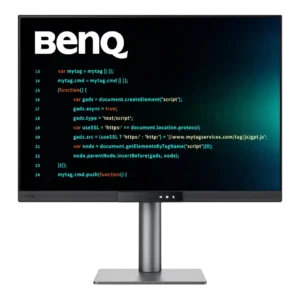
Story-driven and vertically oriented games can look unusually immersive, with more scenery visible above and ahead. The presentation is vibrant and enjoyable, though not every game handles 3:2 equally well.
Pros: productivity versatility, aspect ratio
Cons: value for money, competitive gaming suitability
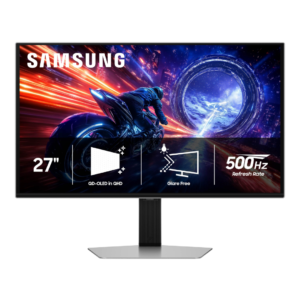
Single-player games still benefit from OLED blacks, color, HDR, and fluid motion, and several testers loved the cinematic image. The small flat 27-inch format and 500Hz price premium make it...
Pros: overall satisfaction, competitive gaming suitability
Cons: value for money, screen size
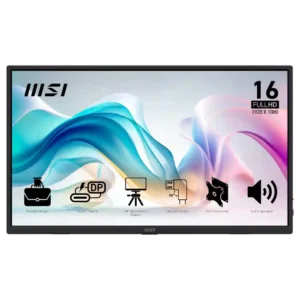
Single-player and slower-paced games are acceptable on the 60Hz panel, but cinematic quality is held back by muted color and limited contrast.
Pros: value for money, portability and weight
Cons: built-in speakers, color gamut
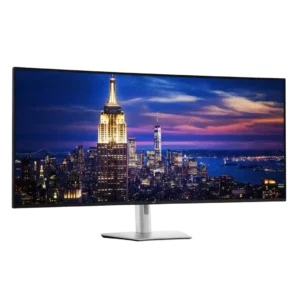
Large-scale strategy, simulation, and cinematic games can be deeply enjoyable on the 52-inch canvas. Dark-room contrast and slower motion keep it behind OLED alternatives for movie-like gaming.
Pros: productivity versatility, overall satisfaction
Cons: value for money, response time
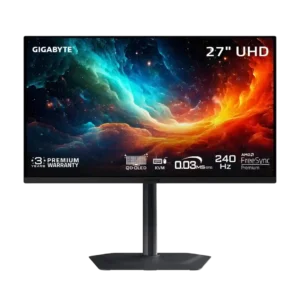
Deep blacks, vivid color, and precise highlights make darker cinematic games look excellent. Bright daytime HDR scenes lack the punch of stronger televisions and some LCD monitors.
Pros: motion clarity, PC gaming compatibility
Cons: color accuracy, software support
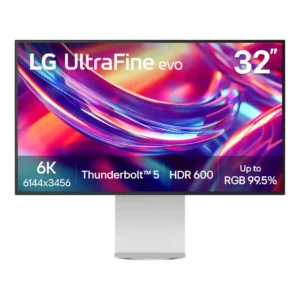
Dark, cinematic games expose IPS glow and weak black depth, and HDR contrast is not strong enough to compensate. The display can play games, but it is a poor fit...
Pros: port selection, overall satisfaction
Cons: value for money, cable management