Best for size options
TCL QM7L
5.0 attribute score
Highest scored product for this attribute based on supporting review evidence.

Highest scored product for this attribute based on supporting review evidence.
Balances the attribute score, supporting reviews, and overall product strength.
Has the broadest review evidence for this attribute.
Strongest overall product among items with scored evidence for this attribute.
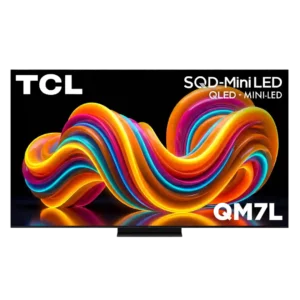
Overall: 3.9/5
Five mainstream sizes from 55 to 98 inches make the QM7L unusually flexible for bedrooms, living rooms, and large home theaters.
Pros: peak brightness, picture quality
Cons: color accuracy, viewing angles
Overall: 4.0/5
The range spans manageable 55-inch screens through a giant 98-inch version, giving buyers considerable freedom to fit their room.
Pros: picture quality, black levels
Cons: HDR brightness, value for money

Overall: 4.2/5
A broad selection from compact screens to very large sizes helps fit different rooms and budgets.
Pros: value for money, color accuracy
Cons: HDR brightness, reflection handling
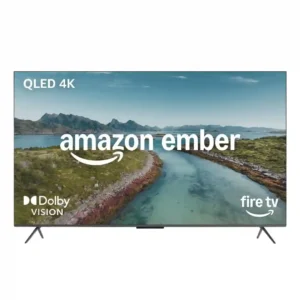
Overall: 3.3/5
The available screen sizes give buyers practical room-fit choices, and the 65-inch model suited one owner's space especially well.
Pros: picture quality, overall satisfaction
Cons: value for money, reliability

Overall: 4.0/5
At least one owner found the chosen screen size a perfect fit for a bedroom, reinforcing the lineup’s usefulness across different room sizes.
Pros: overall satisfaction, picture quality
Cons: reliability, build quality
Overall: 3.8/5
The 83-inch option is especially appealing for viewers who value size and immersion over the brighter premium models.
Pros: value for money, peak brightness
Cons: color accuracy, stand quality

Overall: 3.8/5
A wide choice of mainstream and oversized screen sizes helps this range fit different rooms, with notably large options available.
Pros: picture quality, contrast ratio
Cons: blooming control, glare resistance
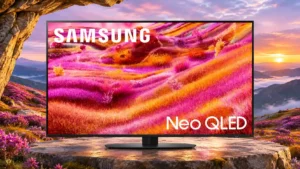
Overall: 4.2/5
A wide spread of diagonals—from compact sizes to very large panels—helps buyers match the TV to their room.
Pros: picture quality, glare resistance
Cons: value for money, bass performance

Overall: 4.5/5
A broad 42- to 83-inch range gives the series options for desks, bedrooms and large living rooms, though panel behavior can differ by size.
Pros: glare resistance, black levels
Cons: Dolby Vision support, color gamut
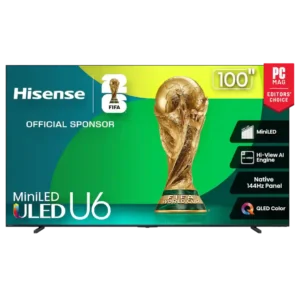
Overall: 4.2/5
Size choice is a major strength, with the lineup spanning mainstream screens through very large 85- and 100-inch options. Reviewers especially like the ability to buy a huge screen without...
Pros: overall satisfaction, value for money
Cons: smart TV platform, blooming control

Overall: 4.0/5
Sizes from 48 to 83 inches cover everything from smaller rooms to large living rooms, adding flexibility within the entry-level OLED range.
Pros: black levels, picture quality
Cons: glare resistance, reflection handling
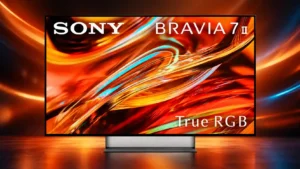
Overall: 4.2/5
The unusually broad 50- to 98-inch range is a major advantage, especially for buyers who want premium RGB performance in smaller rooms.
Pros: overall satisfaction, picture quality
Cons: HDMI 2.1 port count, reflection handling

Overall: 4.2/5
A broad selection extends well beyond 85 inches, but brightness, coating and stand designs are not identical across sizes.
Pros: overall satisfaction, glare resistance
Cons: motion handling, viewing angles

Overall: 4.0/5
The broad range from compact to 98-inch sizes makes the line adaptable to many rooms, with meaningful finish differences at the top sizes.
Pros: color accuracy, picture quality
Cons: HDR brightness, peak brightness
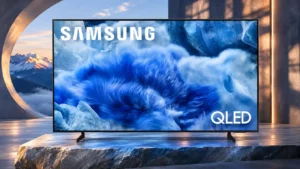
Overall: 3.3/5
The lineup spans compact rooms to very large screens, which is useful for varied spaces. Smaller versions lack some of the larger models’ gaming and HDMI capabilities.
Pros: overall satisfaction, picture quality
Cons: reliability, remote control quality
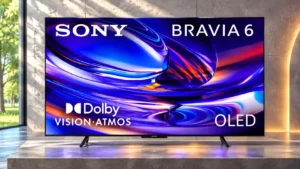
Overall: 3.8/5
The 48-, 55-, 65-, 77-, and 83-inch range covers compact setups and expansive theaters. Some rivals additionally offer 42-inch models.
Pros: HDMI 2.1 port count, Video input versatility
Cons: value for money, overall satisfaction
Overall: 3.0/5
The unusually broad selection of screen sizes makes the model easy to fit into bedrooms, living rooms and secondary spaces.
Pros: picture quality, smart TV platform
Cons: value for money, refresh rate
Overall: 4.3/5
Sizes from compact living-room models to very large screens offer flexibility across furniture and budgets.
Pros: picture quality, black levels
Cons: bass performance, HDR brightness
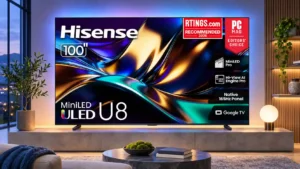
Overall: 4.1/5
A 55-to-100-inch range covers many spaces, but performance changes across those sizes mean choosing by diagonal alone is unwise.
Pros: peak brightness, HDR brightness
Cons: sound quality, viewing angles
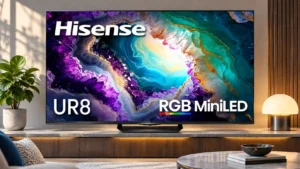
Overall: 4.0/5
A broad size lineup allows large-screen viewing at different price points, with smaller versions sometimes a more economical fit.
Pros: gaming performance, color volume
Cons: blooming control, dark-room performance
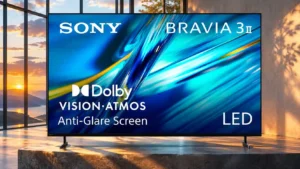
Overall: 3.8/5
Screen sizes from 43 to 100 inches cover small rooms through giant living-room installations. Coating and panel variations make size selection more consequential than usual.
Pros: HDMI 2.1 port count, overall satisfaction
Cons: HDR performance, bass performance

Overall: 3.9/5
A broad range of screen sizes makes it possible to scale the experience from ordinary living rooms to theater-sized walls.
Pros: peak brightness, value for money
Cons: reflection handling, glare resistance

Overall: 3.8/5
A broad 50-to-85-inch range gives flexibility for different rooms, but performance features may vary with size.
Pros: picture quality, color accuracy
Cons: HDR performance, sound quality

Overall: 4.4/5
The tandem panel reaches up to 83 inches, giving big-screen buyers access to the flagship picture technology.
Pros: picture quality, peak brightness
Cons: value for money, sound quality
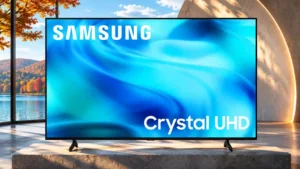
Overall: 2.7/5
There is a broad range of screen sizes from compact to very large, with gaming-mode capabilities varying by size.
Pros: white balance accuracy, design and appearance
Cons: overall satisfaction, value for money
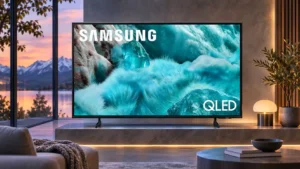
Overall: 3.0/5
The line offers many screen sizes to suit common rooms, although separate regional variants need careful model checking.
Pros: color gamut, smart TV platform
Cons: value for money, overall satisfaction

Overall: 4.0/5
The four available sizes cover common premium-screen needs, with an important WOLED change at 83 inches.
Pros: reflection handling, overall satisfaction
Cons: Dolby Vision support, bass performance
Overall: 3.6/5
The 43-to-75-inch range gives households flexibility, with several buyers especially pleased by how their chosen size fits a bedroom or office.
Pros: picture quality, overall satisfaction
Cons: sound quality, reliability

Overall: 3.6/5
There is a useful range of screen sizes, but the 50-inch version lacks Game Accelerator and larger sizes may add audio advantages.
Pros: black levels, picture quality
Cons: HDR performance, blooming control

Overall: 4.1/5
The lineup spans 55 to 100 inches, accommodating big rooms, but buyers wanting a compact TV have no smaller choice.
Pros: overall satisfaction, value for money
Cons: Smart TV platform, advertising intrusiveness

Overall: 3.1/5
Four sizes from 55 to 85 inches cover common living rooms, but smaller rooms miss 43- and 50-inch options.
Pros: gaming performance, color accuracy
Cons: value for money, overall satisfaction
Overall: 2.6/5
Sizes from 43 to 85 inches provide choices for small rooms and larger walls, although game features vary by size.
Pros: sound quality, picture quality
Cons: value for money, local dimming performance
Overall: 3.1/5
Six screen sizes offer flexibility from compact rooms to large spaces, but the 43- and 50-inch variants lack the higher-refresh DLG option.
Pros: picture quality, overall satisfaction
Cons: sound quality, black levels

Overall: 3.3/5
Screen sizes run from compact bedrooms to very large living-room options, giving buyers considerable size flexibility.
Pros: color accuracy, upscaling quality
Cons: picture quality, sound quality
Overall: 3.0/5
The wide range of sizes, including a useful 43-inch model, gives buyers flexibility; the 100-inch model is distinct.
Pros: color accuracy, Picture detail
Cons: HDR performance, motion clarity
Overall: 3.4/5
The many available sizes make it easier to fit the TV into a bedroom, living room, or secondary space.
Pros: picture quality, color accuracy
Cons: remote control quality, black levels
Overall: 3.9/5
The US range offers several large-screen sizes, letting buyers match the screen to the room and seating distance.
Pros: gaming performance, overall satisfaction
Cons: sound quality, value for money

Overall: 3.8/5
A broad choice of screen sizes helps match the TV to a room, but the 100-inch set needs much more space and delivers different picture results.
Pros: overall satisfaction, picture quality
Cons: value for money, local dimming performance

Overall: 3.8/5
Sizes from 55 to 85 inches cover many rooms, though there is no compact sub-55-inch option.
Pros: picture quality, 4K at 144 Hz support
Cons: sound quality, value for money
Overall: 4.0/5
Only very large screens are offered, which suits big-screen shoppers but leaves no compact option.
Pros: peak brightness, picture quality
Cons: value for money, viewing angles
Overall: 4.3/5
The new 77-inch choice is welcome, but buyers seeking 83 inches or larger remain without an option.
Pros: picture quality, color accuracy
Cons: bass performance, HDMI 2.1 port count
Overall: 4.1/5
The tandem-equipped C6H comes only in 77- and 83-inch formats, so buyers seeking a smaller TV need a different panel.
Pros: gaming performance, HDR brightness
Cons: reflection handling, glare resistance
Overall: 3.9/5
The range extends from modest 50-inch screens to a giant 100-inch version, but the specifications change too drastically to treat the whole series alike.
Pros: picture quality, contrast ratio
Cons: HDR performance, motion handling

Overall: 3.4/5
Only 55- and 65-inch sizes are offered, a good fit for many rooms but limiting if you need a smaller or oversized screen.
Pros: art display mode, picture quality
Cons: contrast ratio, high-refresh-rate gaming

Overall: 4.1/5
The lineup covers compact 42-inch through large 83-inch screens, but panel technology and performance differ significantly by size.
Pros: picture quality, gaming performance
Cons: value for money, sound quality
Overall: 4.1/5
The range of larger panels offers room-matching flexibility, but bigger is not automatically better if it strains furniture placement or budget.
Pros: picture quality, black levels
Cons: viewing angles, motion clarity
Overall: 3.9/5
The four offered sizes cover large living rooms well, but the absence of smaller options limits installation flexibility.
Pros: peak brightness, overall satisfaction
Cons: value for money, shadow detail
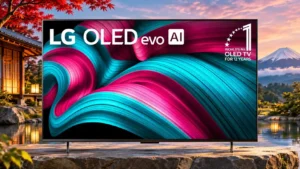
Overall: 4.0/5
The 42-to-83-inch range offers options from compact desks to larger home theaters, though picture brightness varies with size.
Pros: value for money, overall satisfaction
Cons: Remote control usability, sound quality
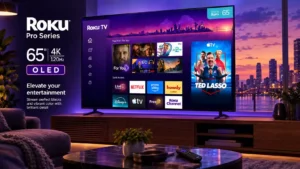
Overall: 4.1/5
The choice of only 55- and 65-inch versions restricts buyers who need a smaller or larger screen.
Pros: contrast ratio, value for money
Cons: peak brightness, HDR brightness

Overall: 3.9/5
The 55- and 65-inch-only range is one of the TV’s clearest limitations, especially for buyers wanting a 77-inch or larger flagship OLED.
Pros: gaming performance, peak brightness
Cons: HDMI 2.1 support, HDMI 2.1 port count