If you want better response time
Choose LG G6. It scores 5.0 vs 1.0 for response time, with a 4.4 overall score.

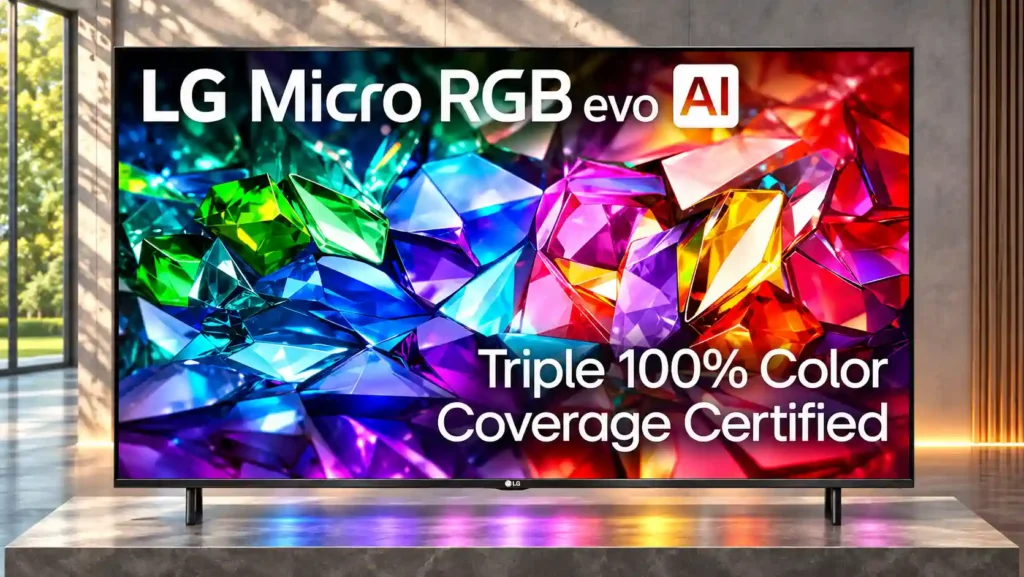
Its huge, intensely bright picture makes HDR and daytime viewing spectacular, but inconsistent factory accuracy, narrow viewing angles and a high price make this flagship hard to recommend without comparing rivals.
Best for bright living rooms, large-screen HDR movie spectacle and console gaming where punchy color and low input lag matter most.
Not ideal for wide shared seating, precision-minded movie viewing or PC gamers who need the cleanest fast motion. Buyers who want effortless accuracy or the strongest value should look elsewhere.
The LG MRGB95B can look dazzling. Its RGB backlight delivers extraordinarily bright HDR highlights, richly saturated colors and big-screen spectacle, while four high-bandwidth HDMI inputs and low input lag suit modern consoles. Daytime viewing is a particular strength. But the praise is not unanimous: detailed testing exposes poor factory accuracy, shifting color temperature and exceptionally slow pixel transitions, while some hands-on testing reports far cleaner motion. Blooming, weak off-axis color and a reflective glossy screen also keep it from delivering OLED-like consistency. webOS is quick, yet the remote hides basic functions, and getting the best picture often requires substantial tuning. At its premium price, more accurate rival RGB sets and LG’s own OLEDs deserve serious consideration. The MRGB95B makes the most sense for someone prioritizing an enormous, intensely bright image over reference accuracy or effortless setup.
Compared with other TVs, this product is above average in HDR highlight detail, privacy controls, stand width, near average in Large-screen immersion, gaming mode quality, below average in AirPlay support, viewing angles, white balance accuracy.
| Attribute | This product | Category average | Difference |
|---|---|---|---|
| AirPlay support | 1.0 | 4.4 | -3.4 |
| viewing angles | 1.0 | 3.7 | -2.7 |
| white balance accuracy | 1.0 | 3.7 | -2.7 |
| response time | 1.0 | 3.5 | -2.5 |
| app selection | 2.0 | 4.4 | -2.4 |
| remote layout | 1.0 | 3.3 | -2.3 |
| DTS support | 1.0 | 3.3 | -2.3 |
| HDR highlight detail | 5.0 | 2.7 | +2.3 |
Choose LG G6. It scores 5.0 vs 1.0 for response time, with a 4.4 overall score.
Choose TCL QM7L. It scores 5.0 vs 1.0 for AirPlay support, with a 3.9 overall score.
Choose Sony Bravia 9 II. It scores 5.0 vs 1.0 for DTS support, with a 4.3 overall score.
Choose Samsung S85H OLED. It scores 4.8 vs 1.0 for viewing angles, with a 4.0 overall score.
Products reviewers directly compared with this model, grouped into quick takeaways.
Yes. Its exceptional brightness keeps HDR highlights, sports and colorful scenes vivid with substantial ambient light, though the glossy finish can still reflect nearby windows and lamps.
It supports 4K at 120Hz, variable refresh rate and automatic game mode, with low input lag and four high-bandwidth HDMI 2.1 inputs. Some testing found significant motion blur, however.
It can be brighter and particularly vibrant, but it cannot match the pixel-level black control and viewing consistency of OLED. Blooming and less precise dark detail are visible in difficult scenes.
Results vary by picture mode and viewing material. Some scenes look very natural, but detailed measurements found poor factory color and white-balance accuracy; tuning can greatly improve SDR results.
Brightness and colorful uniforms look impressive, but motion is contentious. One hands-on test saw little blur while a laboratory test found fast sports action noticeably smeared.
webOS 26 loads apps quickly but comes with clutter and promotions. Basic mute and input commands are harder to find than they should be, and ads cannot be removed from every page.
It is most appealing if extreme brightness and a very large screen matter most. Competing RGB Mini LED televisions and OLED models may offer stronger accuracy, contrast or overall value.
These are a few of the reviews included in our analysis.


The LG MRGB95B is a new TV in LG's 2026 TV lineup, sitting above the LG MRGB85B. It features a new RGB Mini LED backlight that's designed to...
The LG Micro RGB evo TV is an impressive showcase for LG’s Micro RGB technology. Its greatest strengths are easy to see right away—my review.
In testing, LG's 95B Micro RGB TV offered one of the widest color gamuts we've seen, but its backlight control can't match the brand's top OLEDs.
It’s hard to say if the pricey LG Micro RGB Evo television is worth shelling out for compared to its cheaper competitors, but you’ll probably...
Brighter and more refined, with markedly reduced banding
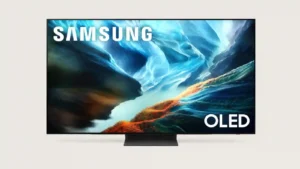
Choose the S90H for bright-room OLED viewing, deep blacks and top-tier gaming without flagship pricing. Skip it if you want Dolby Vision, a glossy screen or the simplest smart-TV software.
Pros: glare resistance, black levels
Cons: Dolby Vision support, color gamut
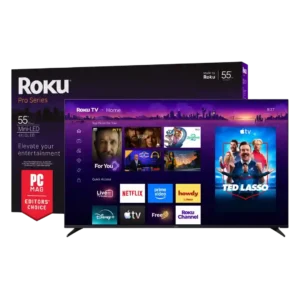
Best for bright Mini-LED picture, excellent built-in audio, easy Roku navigation, and responsive 4K/120 gaming. Skip it if you want ad-free menus, premium motion consistency, or stronger confidence in long-term...
Pros: overall satisfaction, picture quality
Cons: reliability, portability and versatility
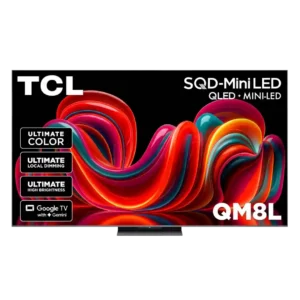
Choose the QM8L for a big, brilliantly bright TV with vivid HDR, deep mini-LED blacks, low input lag, and four HDMI 2.1 ports. Skip it if you need OLED-clean motion,...
Pros: picture quality, value for money
Cons: stand quality, judder handling
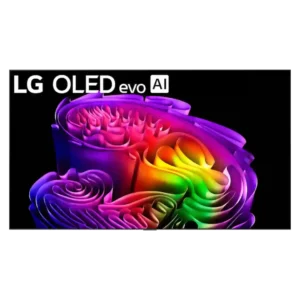
Choose the G6 for class-leading bright-room OLED picture, rich color, deep blacks and elite gaming. Skip it if you want strong built-in audio, polished launch firmware, no account sign-in, or...
Pros: picture quality, peak brightness
Cons: value for money, sound quality