Best for color gamut
Sony Bravia 7 II
4.8 attribute score
Highest scored product for this attribute based on supporting review evidence.

Highest scored product for this attribute based on supporting review evidence.
Balances the attribute score, supporting reviews, and overall product strength.
Has the broadest review evidence for this attribute.
Strongest overall product among items with scored evidence for this attribute.
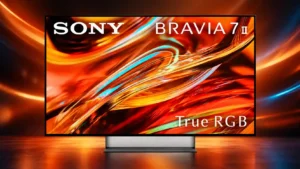
The TV reaches an unusually wide gamut for an LCD and keeps saturated colors strong in HDR. Its measured coverage is repeatedly competitive with premium OLED and RGB rivals.
Pros: overall satisfaction, picture quality
Cons: HDMI 2.1 port count, reflection handling

Colors are repeatedly described as vibrant, rich, and lively, with strong measured gamut coverage. The set does not fully cover DCI-P3, but real-world color is a major strength.
Pros: overall satisfaction, picture quality
Cons: reliability, portability and versatility
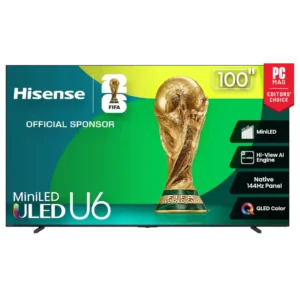
Wide-gamut performance is generally strong for the price, with near-full cinema-gamut coverage reported in some measurements. It is not uniformly flagship-level, but the consensus is positive.
Pros: overall satisfaction, value for money
Cons: smart TV platform, blooming control
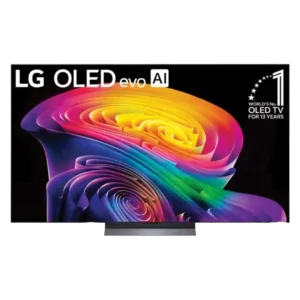
DCI-P3 coverage is essentially complete, and tandem-panel versions expand wider-gamut performance further. HDR colors look rich and varied without usually appearing overdone.
Pros: picture quality, gaming performance
Cons: value for money, sound quality

The panel covers virtually all DCI-P3 and a strong portion of Rec.2020, producing broad HDR color. A few comparisons found slightly less high-brightness coverage than rival QD-OLEDs.
Pros: picture quality, peak brightness
Cons: value for money, sound quality

Wide-gamut coverage approaches premium RGB LED and OLED competitors, with especially strong P3 performance. Claims of complete BT.2020 coverage were not consistently matched in measurements.
Pros: picture quality, value for money
Cons: stand quality, judder handling
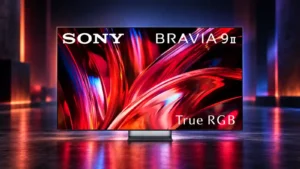
The True RGB backlight delivers an exceptionally wide color gamut, with BT.2020 coverage and saturated HDR colors among the TV’s standout strengths.
Pros: overall satisfaction, overall image accuracy
Cons: value for money, bass performance
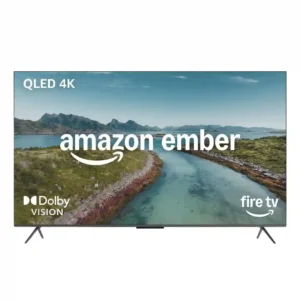
Color coverage is generally a strength for standard content, with vibrant QLED color repeatedly praised. Some measured wide-gamut results still come in slightly below enthusiast targets.
Pros: picture quality, overall satisfaction
Cons: value for money, reliability

The QD-OLED panel delivers exceptionally wide color coverage, with strong BT.2020 performance and vivid colors that stay controlled rather than cartoonish.
Pros: gaming performance, peak brightness
Cons: HDMI 2.1 support, HDMI 2.1 port count
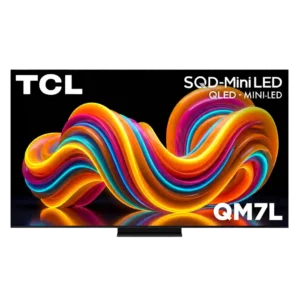
Measured BT.2020 results ranged from about 79% to nearly 98%, which most considered excellent for the class. One critic strongly objected to the gap between measured coverage and TCL's 100%...
Pros: peak brightness, picture quality
Cons: color accuracy, viewing angles
Color coverage is ample for much current content but narrower than brighter, more expensive OLEDs and some mini-LED rivals.
Pros: contrast ratio, value for money
Cons: peak brightness, HDR brightness
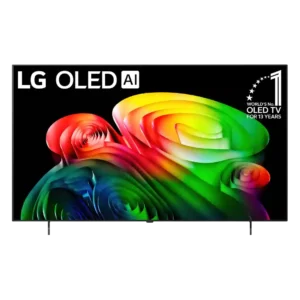
Color gamut coverage is still good, but one measured result was unexpectedly lower than the B5.
Pros: picture quality, value for money
Cons: stand quality, daytime viewing performance
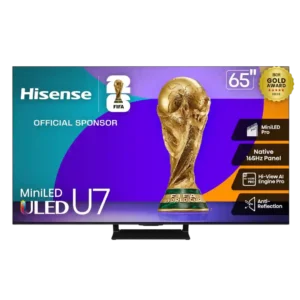
Color gamut is respectable for the price but does not reach the wider coverage of premium OLED and higher-end Mini-LED sets.
Pros: overall satisfaction, picture quality
Cons: reliability, build quality

The S90H covers mainstream DCI-P3 material very well, but WOLED samples show narrower BT.2020 coverage and less extreme color punch than QD-OLED alternatives.
Pros: glare resistance, black levels
Cons: Dolby Vision support, color gamut