If you want better remote layout
Choose Sony BRAVIA 2 II. It scores 5.0 vs 1.8 for remote layout, with a 3.6 overall score.

Vivid color, a slim design and Samsung’s broad smart platform make this a pleasant everyday TV. Weak HDR contrast, motion blur, and uneven software experiences make its price hard to justify against mini-LED rivals.
Everyday SDR television and streaming in moderately lit rooms, especially buyers who value Samsung’s app ecosystem, a compact screen option, or low-lag casual gaming on a larger U.S. model.
Dark-room home-theater viewers, competitive FPS players, wide seating layouts and rooms with unavoidable direct glare. Shoppers seeking powerful built-in sound, rock-solid menus or the best picture for the price should look elsewhere.
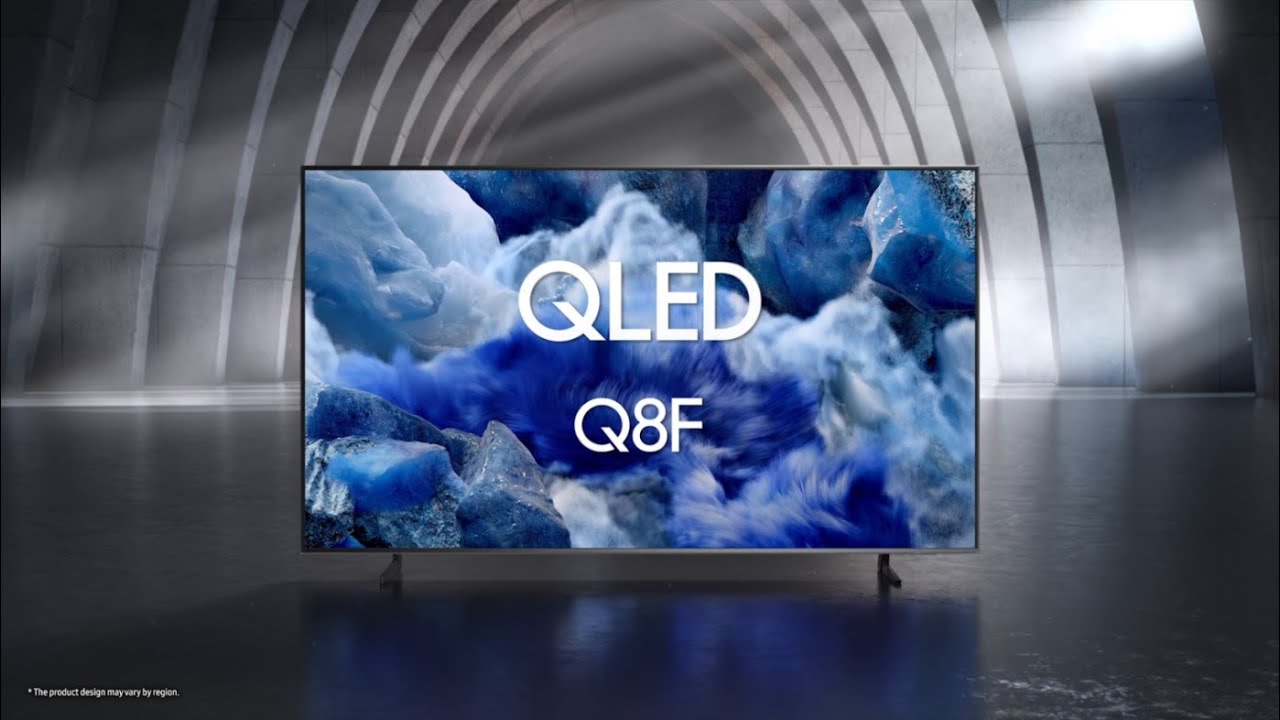
The Samsung Q8F 2025 is most convincing as an everyday SDR television: colorful pictures, a slim profile and extensive Tizen streaming options make it attractive for casual watching. Owners often praise its sharpness and easy setup, but experiences with the remote, menus and reliability vary widely. More demanding viewers will notice raised blacks, reflected room lights and modest HDR highlights, while the built-in speakers lack bass. Gaming specifications require particular care: U.S. models 55 inches and larger accept up to 4K/144Hz across four HDMI inputs, whereas the 32-, 43- and 50-inch U.S. sets stop at 60Hz and have three ports; regional versions may differ. Even the faster models blur rapid motion because their pixel response is slow. At a deep discount, the Q8F can serve a moderately lit room well, but similarly priced mini-LED alternatives usually make more sense for cinematic contrast and competitive gaming.
Compared with other TVs, this product is above average in Ethernet connectivity, Power-on readiness, Chassis thickness, near average in setup ease, picture quality, below average in variable refresh rate, 4K at 120 Hz support, art display mode.
| Attribute | This product | Category average | Difference |
|---|---|---|---|
| variable refresh rate | 1.0 | 4.1 | -3.1 |
| 4K at 120 Hz support | 1.0 | 4.1 | -3.1 |
| art display mode | 1.3 | 4.2 | -3.0 |
| soundstage | 1.0 | 3.7 | -2.7 |
| Ethernet connectivity | 4.8 | 2.3 | +2.6 |
| Power-on readiness | 5.0 | 2.5 | +2.5 |
| warranty | 1.0 | 3.4 | -2.4 |
| Chassis thickness | 4.7 | 2.5 | +2.2 |
Choose Sony BRAVIA 2 II. It scores 5.0 vs 1.8 for remote layout, with a 3.6 overall score.
Choose Samsung QN70F. It scores 4.8 vs 2.6 for ease of use, with a 3.8 overall score.
Choose Hisense 98QD5QG. It scores 4.5 vs 1.4 for viewing angles, with a 3.9 overall score.
Choose Samsung QN80H. It scores 4.9 vs 2.8 for Smart TV platform, with a 3.8 overall score.
Products reviewers directly compared with this model, grouped into quick takeaways.
Its colorful SDR picture looks sharp and appealing for everyday television. Dark scenes, HDR highlights and fast motion are weaker than the best competing mini-LED sets.
No. U.S. 55-, 65-, 75- and 85-inch versions support up to 4K/144Hz and have four HDMI ports, while U.S. 32-, 43- and 50-inch versions top out at 60Hz and have three ports. Specifications may also vary by region.
Larger U.S. models accept modern console signals and deliver low input lag, so casual gaming works well. Their slow response times still create noticeable blur during rapid action, making competitive play a weak fit.
Not particularly. Raised blacks, lack of effective local dimming and limited HDR brightness flatten cinematic scenes, even though movie colors can look pleasant.
The built-in speakers can handle basic television and clear speech, but bass, immersion and maximum volume are limited. A soundbar is worth considering for movies, games or more balanced dialogue.
Tizen offers plenty of apps and useful shortcuts, and some owners love the rechargeable remote. Others describe confusing menus, slow app switching, login hassles and overly sensitive remote buttons.
It becomes more attractive when heavily discounted or when Samsung integration and a smaller screen are priorities. At similar prices, mini-LED competitors can offer better blacks, HDR brightness and motion clarity.
These are a few of the reviews included in our analysis.
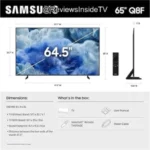

Samsung Q8F 2025 Review: the Q8F is a good SDR and smart-TV choice with accurate color, Tizen, and strong connectivity, but weak contrast...
Full review of the Samsung Q8F – a 2025 QLED TV with VA panel, HDR brightness up to 500 nits, Tizen smart system, and excellent input lag...
The Samsung Q8F has some decent features and fine picture elements, but its higher price and lack of gaming features make it a tough ask...
The Samsung Q8F 2025 is an entry-level 4k TV released in 2025 as part of Samsung's QLED lineup, sitting above the Samsung Q7F 2025. It boasts...
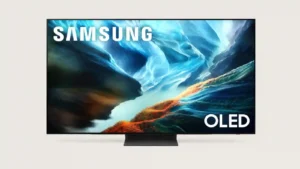
Choose the S90H for bright-room OLED viewing, deep blacks and top-tier gaming without flagship pricing. Skip it if you want Dolby Vision, a glossy screen or the simplest smart-TV software.
Pros: glare resistance, black levels
Cons: Dolby Vision support, color gamut
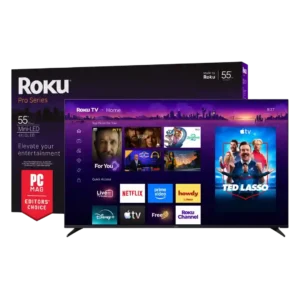
Best for bright Mini-LED picture, excellent built-in audio, easy Roku navigation, and responsive 4K/120 gaming. Skip it if you want ad-free menus, premium motion consistency, or stronger confidence in long-term...
Pros: overall satisfaction, picture quality
Cons: reliability, portability and versatility
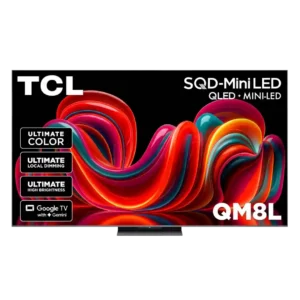
Choose the QM8L for a big, brilliantly bright TV with vivid HDR, deep mini-LED blacks, low input lag, and four HDMI 2.1 ports. Skip it if you need OLED-clean motion,...
Pros: picture quality, value for money
Cons: stand quality, judder handling

Choose the G6 for class-leading bright-room OLED picture, rich color, deep blacks and elite gaming. Skip it if you want strong built-in audio, polished launch firmware, no account sign-in, or...
Pros: picture quality, peak brightness
Cons: value for money, sound quality