Best for upscaling quality
Samsung S90H
5.0 attribute score
Highest scored product for this attribute based on supporting review evidence.

Highest scored product for this attribute based on supporting review evidence.
Balances the attribute score, supporting reviews, and overall product strength.
Has the broadest review evidence for this attribute.
Strongest overall product among items with scored evidence for this attribute.

Upscaling is one of the S90H’s clearest strengths, making HD and even DVD material look cleaner and more detailed without excessive artificial sharpening.
Pros: glare resistance, black levels
Cons: Dolby Vision support, color gamut
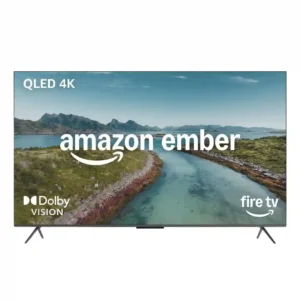
Upscaling impressed in the detailed test, preserving strong sharpness and texture from lower-resolution Blu-ray material. That is particularly useful for a streaming-focused TV.
Pros: picture quality, overall satisfaction
Cons: value for money, reliability
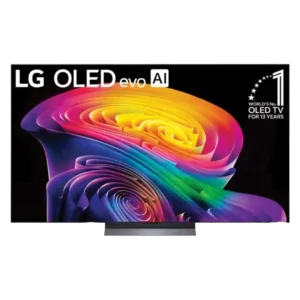
HD, 1080p, and even DVD material look cleaner, sharper, and more dimensional than expected. The new processor improves edges and textures without usually making content look artificial.
Pros: picture quality, gaming performance
Cons: value for money, sound quality

Older HD and cable sources look cleaner, sharper, and more detailed than expected without excessive artificial sharpening. TCL’s processing now approaches the better upscalers in the category.
Pros: picture quality, value for money
Cons: stand quality, judder handling

DVD and HD material often gains crisp texture and careful detail, especially from cleaner sources. The weakest compressed broadcasts can still expose overprocessing.
Pros: picture quality, peak brightness
Cons: value for money, sound quality
Upscaling is among the TV’s strongest processing talents, making SD and HD material look cleaner, sharper and more detailed without excessive artifacts.
Pros: gaming performance, peak brightness
Cons: HDMI 2.1 support, HDMI 2.1 port count
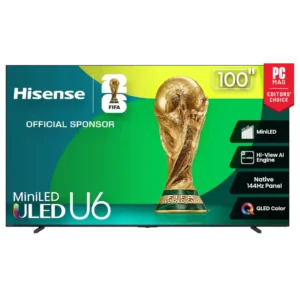
Upscaling is generally good, with 1080p and sub-1080p material gaining useful detail and staying watchable. One test calls it merely decent and notes minor artifacts.
Pros: overall satisfaction, value for money
Cons: smart TV platform, blooming control
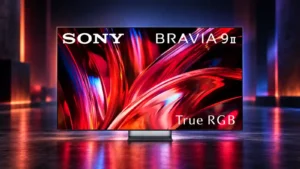
Upscaling is among the TV’s strongest processing tricks, making HD and even DVD material look cleaner without obvious over-sharpening.
Pros: overall satisfaction, overall image accuracy
Cons: value for money, bass performance
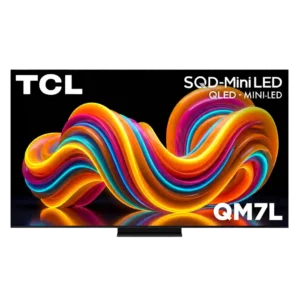
Upscaling has improved into a genuine TCL strength and can look close to higher-tier models. Results still depend heavily on the quality and bitrate of the original signal.
Pros: peak brightness, picture quality
Cons: color accuracy, viewing angles
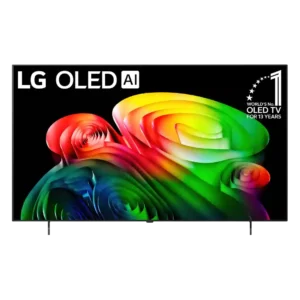
HD and SDR material is sharpened effectively, producing crisper textures and stronger perceived contrast.
Pros: picture quality, value for money
Cons: stand quality, daytime viewing performance
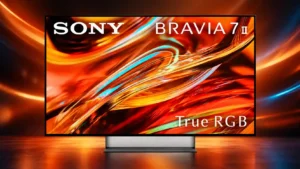
Upscaling is generally a Sony strength and can rescue low-resolution or compressed sources impressively. A few tests found Reality Creation too aggressive on weaker material.
Pros: overall satisfaction, picture quality
Cons: HDMI 2.1 port count, reflection handling

Lower-resolution content can still look respectable on the 27-inch QHD panel. An 800p Steam Deck feed was judged decent rather than obviously poor.
Pros: overall satisfaction, portability and versatility
Cons: value for money, menu responsiveness
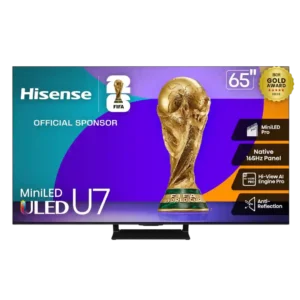
Upscaling is usually good and can make older material look cleaner and sharper, though weak streaming sources still expose processing limits.
Pros: overall satisfaction, picture quality
Cons: reliability, build quality

Upscaling is mixed. One expert liked the restrained, non-oversharpened processing, while an owner found older low-resolution movies noticeably blurry in backgrounds.
Pros: overall satisfaction, picture quality
Cons: reliability, portability and versatility
The lack of exposed upscaling adjustments is a drawback for users who want to tune processing themselves.
Pros: contrast ratio, value for money
Cons: peak brightness, HDR brightness