Best for color volume
LG G6
4.9 attribute score
Highest scored product for this attribute based on supporting review evidence.

Highest scored product for this attribute based on supporting review evidence.
Balances the attribute score, supporting reviews, and overall product strength.
Has the broadest review evidence for this attribute.
Strongest overall product among items with scored evidence for this attribute.

Rich, bright color is one of the G6’s defining strengths, with bold highlights retaining impressive saturation and realism.
Pros: picture quality, peak brightness
Cons: value for money, sound quality
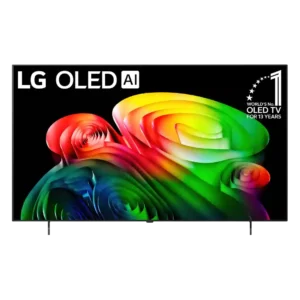
Colors look bold, deep, and highly vibrant, with animation and HDR material producing especially strong pop.
Pros: picture quality, value for money
Cons: stand quality, daytime viewing performance
True RGB delivers exceptional color volume, preserving vivid reds, greens and blues even at high brightness instead of washing them toward white.
Pros: overall satisfaction, picture quality
Cons: HDMI 2.1 port count, reflection handling

SQD color is a major attraction, delivering exceptionally rich, bright hues without usually looking cartoonish. The expanded color remains vivid even as luminance climbs.
Pros: picture quality, value for money
Cons: stand quality, judder handling

Bright saturated colors are a standout, giving HDR highlights and bold hues unusual intensity while retaining Sony’s restrained tuning.
Pros: gaming performance, peak brightness
Cons: HDMI 2.1 support, HDMI 2.1 port count
Color volume is a major strength: bright colors retain richness at luminance levels that conventional LCD and many OLED sets struggle to match.
Pros: overall satisfaction, overall image accuracy
Cons: value for money, bass performance
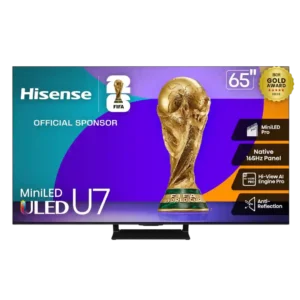
Colors are usually described as vivid, punchy, and lively, with brightness helping saturated scenes stand out.
Pros: overall satisfaction, picture quality
Cons: reliability, build quality
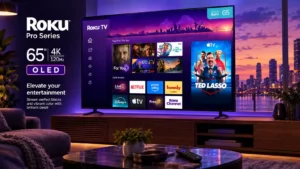
Colors remain rich across viewing positions, but limited color brightness restricts the range and intensity available from premium OLED panels.
Pros: contrast ratio, value for money
Cons: peak brightness, HDR brightness
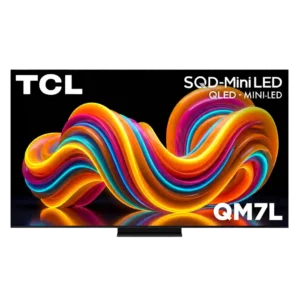
SQD color delivers strong saturation and separation without routinely looking overdone. A minority view found the improvement familiar rather than revolutionary and criticized the claimed advantage.
Pros: peak brightness, picture quality
Cons: color accuracy, viewing angles
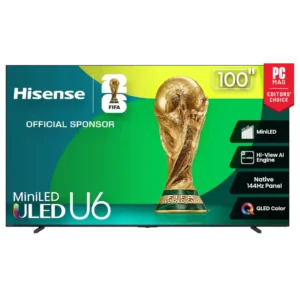
Color volume gets sharply different reactions. Two hands-on reviewers praise vivid, rich color, while a buyer's guide warns that the wider color coverage is relatively weak compared with higher-end sets.
Pros: overall satisfaction, value for money
Cons: smart TV platform, blooming control
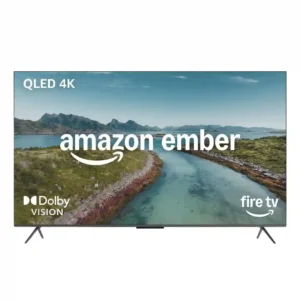
Color volume is described as decent rather than exceptional. It produces a satisfying amount of color, but the reviewer wanted a little more richness.
Pros: picture quality, overall satisfaction
Cons: value for money, reliability
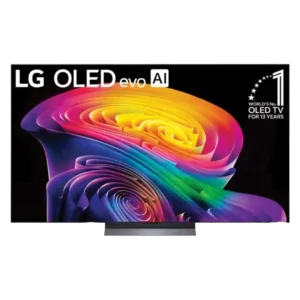
The standard WOLED panel covers a broad HDR range, but very bright saturated colors can look slightly washed because of the white subpixel.
Pros: picture quality, gaming performance
Cons: value for money, sound quality
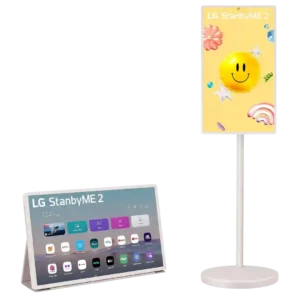
Color is lively overall, but very bright saturated tones can look paler than they do on higher-contrast TVs. The limitation is most obvious in intense HDR effects.
Pros: overall satisfaction, portability and versatility
Cons: value for money, menu responsiveness

WOLED versions lose some high-brightness color intensity compared with QD-OLED, most noticeably in demanding wide-gamut HDR material.
Pros: glare resistance, black levels
Cons: Dolby Vision support, color gamut