
Overall: 4.0/5
The range spans manageable 55-inch screens through a giant 98-inch version, giving buyers considerable freedom to fit their room.
Pros: picture quality, black levels
Cons: HDR brightness, value for money

Overall: 4.0/5
The range spans manageable 55-inch screens through a giant 98-inch version, giving buyers considerable freedom to fit their room.
Pros: picture quality, black levels
Cons: HDR brightness, value for money

Overall: 4.2/5
A broad selection from compact screens to very large sizes helps fit different rooms and budgets.
Pros: value for money, color accuracy
Cons: HDR brightness, reflection handling

Overall: 4.0/5
At least one owner found the chosen screen size a perfect fit for a bedroom, reinforcing the lineup’s usefulness across different room sizes.
Pros: overall satisfaction, picture quality
Cons: reliability, build quality

Overall: 4.2/5
A wide spread of diagonals—from compact sizes to very large panels—helps buyers match the TV to their room.
Pros: picture quality, glare resistance
Cons: value for money, bass performance

Overall: 4.2/5
Size choice is a major strength, with the lineup spanning mainstream screens through very large 85- and 100-inch options. Reviewers especially like the ability to buy a huge screen without...
Pros: overall satisfaction, value for money
Cons: smart TV platform, blooming control

Overall: 4.0/5
The broad range from compact to 98-inch sizes makes the line adaptable to many rooms, with meaningful finish differences at the top sizes.
Pros: color accuracy, picture quality
Cons: HDR brightness, peak brightness

Overall: 3.0/5
The unusually broad selection of screen sizes makes the model easy to fit into bedrooms, living rooms and secondary spaces.
Pros: picture quality, smart TV platform
Cons: value for money, refresh rate
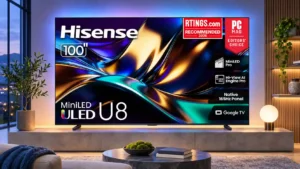
Overall: 4.1/5
A 55-to-100-inch range covers many spaces, but performance changes across those sizes mean choosing by diagonal alone is unwise.
Pros: peak brightness, HDR brightness
Cons: sound quality, viewing angles

Overall: 3.9/5
A broad range of screen sizes makes it possible to scale the experience from ordinary living rooms to theater-sized walls.
Pros: peak brightness, value for money
Cons: reflection handling, glare resistance
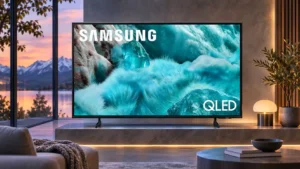
Overall: 3.0/5
The line offers many screen sizes to suit common rooms, although separate regional variants need careful model checking.
Pros: color gamut, smart TV platform
Cons: value for money, overall satisfaction

Overall: 4.0/5
The four available sizes cover common premium-screen needs, with an important WOLED change at 83 inches.
Pros: reflection handling, overall satisfaction
Cons: Dolby Vision support, bass performance
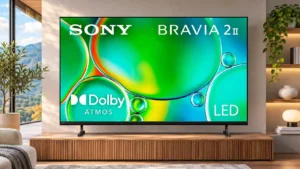
Overall: 3.6/5
The 43-to-75-inch range gives households flexibility, with several buyers especially pleased by how their chosen size fits a bedroom or office.
Pros: picture quality, overall satisfaction
Cons: sound quality, reliability

Overall: 3.6/5
There is a useful range of screen sizes, but the 50-inch version lacks Game Accelerator and larger sizes may add audio advantages.
Pros: black levels, picture quality
Cons: HDR performance, blooming control
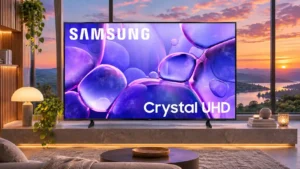
Overall: 3.3/5
Screen sizes run from compact bedrooms to very large living-room options, giving buyers considerable size flexibility.
Pros: color accuracy, upscaling quality
Cons: picture quality, sound quality

Overall: 3.0/5
The wide range of sizes, including a useful 43-inch model, gives buyers flexibility; the 100-inch model is distinct.
Pros: color accuracy, Picture detail
Cons: HDR performance, motion clarity
Overall: 3.9/5
The US range offers several large-screen sizes, letting buyers match the screen to the room and seating distance.
Pros: gaming performance, overall satisfaction
Cons: sound quality, value for money

Overall: 3.8/5
A broad choice of screen sizes helps match the TV to a room, but the 100-inch set needs much more space and delivers different picture results.
Pros: overall satisfaction, picture quality
Cons: value for money, local dimming performance
Overall: 3.8/5
Sizes from 55 to 85 inches cover many rooms, though there is no compact sub-55-inch option.
Pros: picture quality, 4K at 144 Hz support
Cons: sound quality, value for money
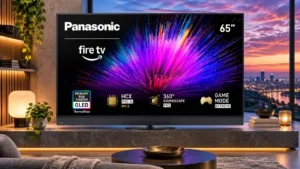
Overall: 4.3/5
The new 77-inch choice is welcome, but buyers seeking 83 inches or larger remain without an option.
Pros: picture quality, color accuracy
Cons: bass performance, HDMI 2.1 port count

Overall: 3.9/5
The range extends from modest 50-inch screens to a giant 100-inch version, but the specifications change too drastically to treat the whole series alike.
Pros: picture quality, contrast ratio
Cons: HDR performance, motion handling
Overall: 3.9/5
The four offered sizes cover large living rooms well, but the absence of smaller options limits installation flexibility.
Pros: peak brightness, overall satisfaction
Cons: value for money, shadow detail

Overall: 4.0/5
The 42-to-83-inch range offers options from compact desks to larger home theaters, though picture brightness varies with size.
Pros: value for money, overall satisfaction
Cons: Remote control usability, sound quality

Overall: 3.9/5
The 55- and 65-inch-only range is one of the TV’s clearest limitations, especially for buyers wanting a 77-inch or larger flagship OLED.
Pros: gaming performance, peak brightness
Cons: HDMI 2.1 support, HDMI 2.1 port count
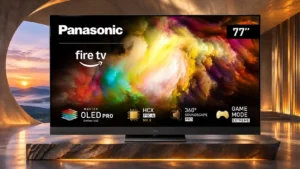
Overall: 4.0/5
The sole 77-inch version is immersive but excludes anyone needing a smaller or larger television.
Pros: overall satisfaction, picture quality
Cons: size options, value for money
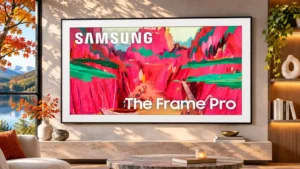
Overall: 3.8/5
Three large formats cover statement installations, but no Pro option smaller than 65 inches limits compact rooms.
Pros: Wireless One Connect compatibility, art display mode
Cons: value for money, input lag