Best for response time
LG G6
5.0 attribute score
Highest scored product for this attribute based on supporting review evidence.

Highest scored product for this attribute based on supporting review evidence.
Balances the attribute score, supporting reviews, and overall product strength.
Has the broadest review evidence for this attribute.
Strongest overall product among items with scored evidence for this attribute.

Overall: 4.4/5
OLED pixel response is nearly instantaneous, producing crisp motion and exceptionally responsive gaming.
Pros: picture quality, peak brightness
Cons: value for money, sound quality
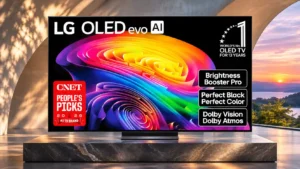
Overall: 4.1/5
Nearly instantaneous pixel transitions minimize trailing and keep fast games remarkably clear.
Pros: gaming performance, HDR brightness
Cons: reflection handling, glare resistance
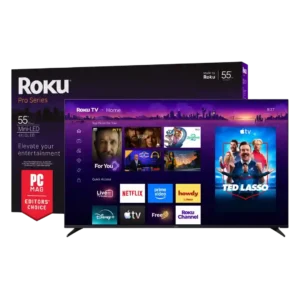
Overall: 4.4/5
Response is excellent for gaming, with measured behavior under a frame and customers also describing the TV as exceptionally quick.
Pros: overall satisfaction, picture quality
Cons: reliability, portability and versatility

Overall: 4.0/5
OLED pixel transitions are almost instantaneous, keeping game motion exceptionally clean and free of most smearing.
Pros: value for money, overall satisfaction
Cons: Remote control usability, sound quality
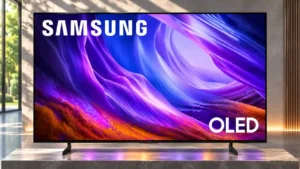
Overall: 4.0/5
OLED pixels transition almost instantly, leaving fast objects with very little trailing blur. Minor overshoot is generally hard to see.
Pros: black levels, picture quality
Cons: glare resistance, reflection handling
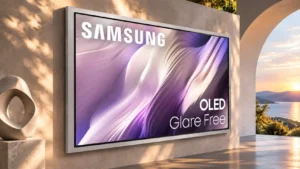
Overall: 4.2/5
Nearly instantaneous pixel response keeps fast-moving game objects sharp with minimal trailing.
Pros: picture quality, overall satisfaction
Cons: design and appearance, Dolby Vision support

Overall: 4.2/5
Near-instantaneous OLED transitions help preserve crisp motion and make button inputs feel direct.
Pros: value for money, color accuracy
Cons: HDR brightness, reflection handling
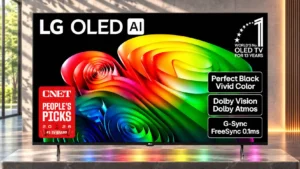
Overall: 3.8/5
Fast OLED pixel transitions keep rapid movements crisp, giving games an immediate, blur-free feel.
Pros: value for money, peak brightness
Cons: color accuracy, stand quality
Overall: 4.0/5
OLED pixel transitions are nearly instantaneous, keeping fast game movement exceptionally crisp.
Pros: contrast ratio, black levels
Cons: reflection handling, color accuracy
Overall: 4.1/5
Near-instant OLED response keeps gaming motion exceptionally clean and responsive, though it can make low-frame-rate stutter more visible.
Pros: picture quality, gaming performance
Cons: value for money, sound quality
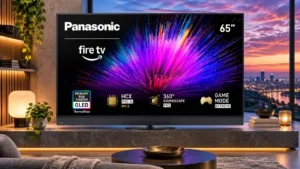
Overall: 4.3/5
Nearly instantaneous transitions deliver crisp high-refresh gaming motion, with some inherent 60Hz sample-and-hold softness.
Pros: picture quality, color accuracy
Cons: bass performance, HDMI 2.1 port count

Overall: 3.9/5
Near-instant OLED pixel transitions keep fast movement sharp and mostly free of ghosting.
Pros: color volume, black levels
Cons: Inconsistent panel and coating by size, sound quality
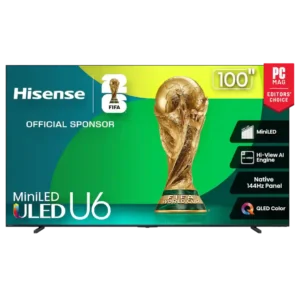
Overall: 4.2/5
Gaming response feels fast and fluid in the source that evaluates response time directly.
Pros: overall satisfaction, value for money
Cons: smart TV platform, blooming control
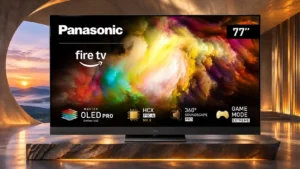
Overall: 4.0/5
Almost immediate pixel changes give games and video very little motion smearing.
Pros: overall satisfaction, picture quality
Cons: size options, value for money
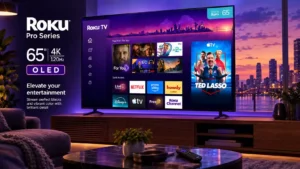
Overall: 4.1/5
Fast OLED response makes moving targets easier to follow than on the mini-LED alternatives discussed in testing.
Pros: contrast ratio, value for money
Cons: peak brightness, HDR brightness
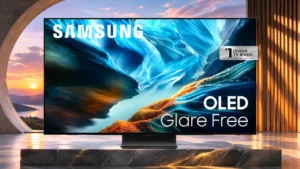
Overall: 4.1/5
Almost instantaneous pixel changes sharply reduce the blur behind moving objects.
Pros: black levels, contrast ratio
Cons: Dolby Vision support, stutter handling
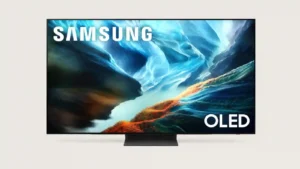
Overall: 4.5/5
Pixel response is extremely fast, giving fast-paced games an immediate, clean feel with little blur.
Pros: glare resistance, black levels
Cons: Dolby Vision support, color gamut
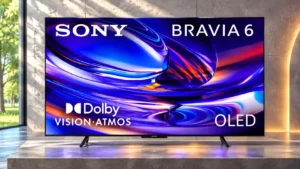
Overall: 3.8/5
OLED pixels change almost instantly, preventing noticeable trails behind fast-moving objects. This helps both games and sports.
Pros: HDMI 2.1 port count, Video input versatility
Cons: value for money, overall satisfaction
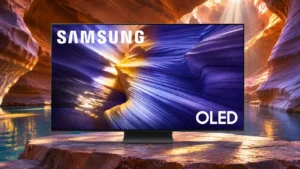
Overall: 3.9/5
Near-instant OLED pixel transitions make fast-moving objects exceptionally sharp and minimize ghosting.
Pros: value for money, overall satisfaction
Cons: Dolby Vision support, sound quality

Overall: 4.2/5
Near-instant pixel response produces sharp motion with very little ghosting, though it can make low-frame-rate panning appear stuttery.
Pros: overall satisfaction, picture quality
Cons: banding control, remote control quality

Overall: 3.9/5
OLED pixel response is effectively instantaneous, keeping motion clean and ghosting minimal for games and video.
Pros: gaming performance, peak brightness
Cons: HDMI 2.1 support, HDMI 2.1 port count
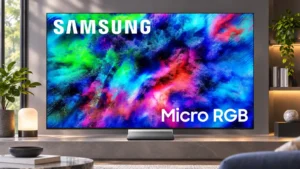
Overall: 3.7/5
The screen responds quickly enough for enjoyable gaming, with clear improvements after firmware changes. Dark transitions still show more trailing than bright ones.
Pros: color volume, overall satisfaction
Cons: value for money, color accuracy

Overall: 4.0/5
Almost instantaneous pixel transitions produce highly defined action with minimal overshoot.
Pros: reflection handling, overall satisfaction
Cons: Dolby Vision support, bass performance

Overall: 4.0/5
Pixel transitions are adequate on smaller sets rather than truly fast, while the 98-inch panel makes visible gains in gaming clarity.
Pros: picture quality, black levels
Cons: HDR brightness, value for money
Overall: 3.9/5
Pixel transitions are quick for an LCD overall, but overshoot and dark-level changes can produce inverse ghosting.
Pros: peak brightness, value for money
Cons: reflection handling, glare resistance
Overall: 4.0/5
Pixel transitions are quick enough for most gaming, but technical measurements find overshoot and slower transitions in some tones.
Pros: color accuracy, picture quality
Cons: HDR brightness, peak brightness
Overall: 3.8/5
Motion response is generally respectable, but transitions between dark and bright shades can be slow enough to create light trails.
Pros: picture quality, overall satisfaction
Cons: color crosstalk, value for money
Overall: 4.0/5
Pixel response is a split point: some gaming tests call it excellent, while others see slower transitions and visible trailing at high refresh rates.
Pros: overall satisfaction, picture quality
Cons: reliability, build quality
Overall: 3.8/5
120Hz motion is usable but shows some pixel-transition overshoot; at 60Hz motion is substantially blurrier. Other evaluations of gaming response are more upbeat.
Pros: HDMI 2.1 port count, overall satisfaction
Cons: HDR performance, bass performance

Overall: 4.2/5
Response times are respectable for a premium LCD at high refresh rates, though dark transitions and 60Hz motion are slower than OLED.
Pros: high-refresh-rate gaming, gaming performance
Cons: value for money, bass performance

Overall: 3.7/5
Some pixel transitions are quick while others lag badly, giving inconsistent motion clarity.
Pros: value for money, HDR brightness
Cons: color accuracy, shadow detail
Overall: 3.8/5
Results vary by model and content; some gaming impressions report smooth action, while laboratory tests reveal slow dark-to-light pixel transitions, especially at 100 inches.
Pros: overall satisfaction, picture quality
Cons: value for money, local dimming performance
Overall: 3.9/5
Pixel response ranges from very good for Mini-LED to extremely slow in fast games. Buyers sensitive to trailing or smearing should treat this as a major concern.
Pros: peak brightness, picture quality
Cons: color accuracy, viewing angles
Overall: 4.3/5
Pixel-response assessments conflict: some measured transitions appear adequate, while others show long smearing trails that reduce clarity during fast action.
Pros: picture quality, black levels
Cons: bass performance, HDR brightness

Overall: 3.4/5
Pixel response is mixed: high-refresh gaming feels responsive, but dark transitions and 60Hz scenes can be noticeably blurry.
Pros: picture quality, value for money
Cons: viewing angles, HDR performance
Overall: 4.0/5
Response times are not uniformly fast; some extreme shade changes leave visible trails during rapid movement.
Pros: peak brightness, picture quality
Cons: HDMI 2.1 port count, reflection handling
Overall: 3.9/5
Response times vary by transition, with slow movement between very dark and bright shades. Gaming remains responsive overall, but the panel is not an OLED-speed performer.
Pros: peak brightness, overall satisfaction
Cons: value for money, shadow detail
Overall: 3.9/5
Response is quick in brighter transitions but noticeably slow in dark ones, causing visible blur in 120Hz and especially 60Hz gaming.
Pros: gaming performance, overall satisfaction
Cons: sound quality, value for money
Overall: 3.8/5
Fast-moving objects can leave long blur trails, particularly at 60Hz; 120Hz helps somewhat without entirely fixing it.
Pros: overall satisfaction, color gamut
Cons: value for money, local dimming performance
Overall: 3.9/5
Slow pixel transitions contribute to blur and color artifacts in motion, despite otherwise responsive game controls.
Pros: picture quality, contrast ratio
Cons: HDR performance, motion handling
Overall: 4.2/5
Pixel transitions are slower than the refresh-rate label suggests, leaving dark smearing and blur in fast scenes.
Pros: overall satisfaction, glare resistance
Cons: motion handling, viewing angles
Overall: 3.6/5
Dark-to-bright pixel transitions are sluggish enough to create trails, especially in shadowy games.
Pros: black levels, picture quality
Cons: HDR performance, blooming control
Overall: 4.1/5
The pixel response is uneven, causing blur in dark moving objects and occasional VRR overshoot despite low input lag.
Pros: peak brightness, HDR brightness
Cons: sound quality, viewing angles

Overall: 4.2/5
Pixel response is much slower than the gaming specifications suggest, resulting in visible dark trails in demanding motion.
Pros: picture quality, glare resistance
Cons: value for money, bass performance
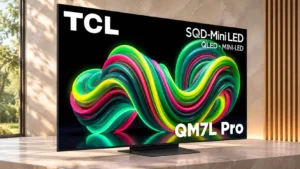
Overall: 4.1/5
Slow pixel changes smear action even at 120Hz and 144Hz, undermining motion clarity despite the low input lag.
Pros: picture quality, black levels
Cons: viewing angles, motion clarity
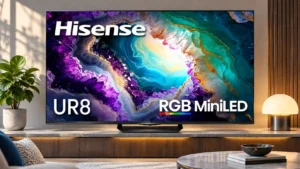
Overall: 4.0/5
Slow pixel transitions, especially at 60Hz and in dark scenes, create unwanted blur and occasional bright trails.
Pros: gaming performance, color volume
Cons: blooming control, dark-room performance
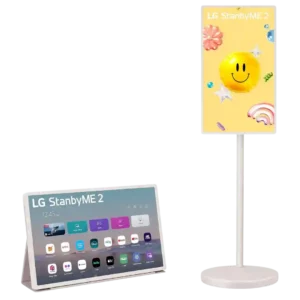
Overall: 3.8/5
Pixel response is slower than a regular gaming monitor according to one expert. It is acceptable for casual play but not a strength for fast competitive gaming.
Pros: overall satisfaction, portability and versatility
Cons: value for money, menu responsiveness
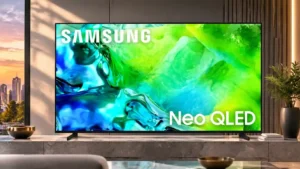
Overall: 3.8/5
Pixel transitions are slow in darker scenes, leaving blurred trails especially around 60Hz motion.
Pros: picture quality, contrast ratio
Cons: blooming control, glare resistance
Overall: 3.8/5
Many transitions take multiple frames to complete, so fast movement can leave blur and temporary color doubling.
Pros: glare resistance, overall satisfaction
Cons: input lag, value for money
Overall: 4.2/5
Pixel transitions in Game Mode can be slow enough to create visible motion blur in fast titles, despite otherwise low input lag.
Pros: overall satisfaction, picture quality
Cons: HDMI 2.1 port count, reflection handling