If you want better Game Mode interpolation
Choose Hisense UR8SG. It scores 5.0 vs 1.0 for Game Mode interpolation, with a 4.0 overall score.

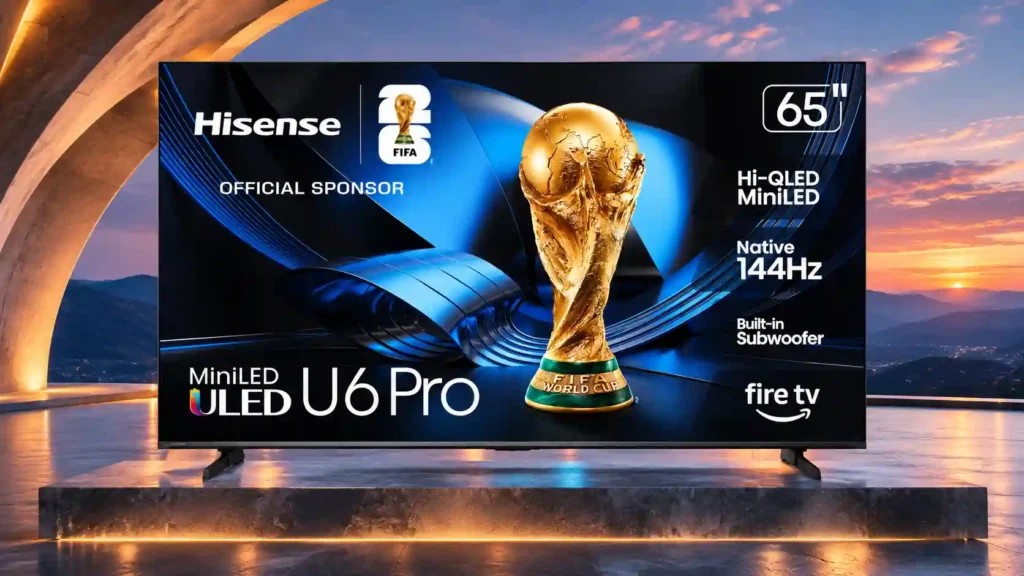
A bright, glare-resistant Mini-LED with vivid colors, low-lag 144Hz gaming and surprisingly useful built-in bass, especially appealing on sale. Severe measured motion blur and uneven screen uniformity make it a risk for sports and fast games.
Budget-minded viewers seeking a bright-room TV for streaming, movies and casual console gaming, especially at sale prices. The built-in subwoofer is also useful for everyday viewing without a separate soundbar.
Competitive FPS players and sports enthusiasts who need consistently sharp movement, or groups seated widely off-axis. Dark-scene gamers and households connecting several high-refresh sources should also weigh the shadow and two-port limits.
The Hisense U6SF Pro offers much of what makes a more expensive Mini-LED attractive: vivid, accurate color, strong HDR brightness, deep local-dimming blacks and an unusually effective matte screen for daytime viewing. Low gaming input lag, 4K/144Hz support and an integrated subwoofer add substantial value, particularly at discounted prices. The important catch is motion clarity. While many hands-on impressions describe smooth gaming and sports, detailed testing found very slow pixel transitions, long blur trails and patchy screen uniformity, especially troublesome for fast action. Off-axis viewing can also suffer, and Fire TV brings intrusive promotions. Built-in sound earns praise from several listeners but underwhelmed one lab. It is a compelling bright-room all-rounder at a good sale price, not an automatic pick for competitive gaming, sports purists or large groups seated far from center.
Compared with other TVs, this product is above average in bass performance, glare resistance, value for money, near average in overall satisfaction, high-refresh-rate gaming, below average in screen mirroring, dirty screen effect, Game Mode interpolation.
| Attribute | This product | Category average | Difference |
|---|---|---|---|
| screen mirroring | 2.0 | 4.8 | -2.8 |
| dirty screen effect | 1.0 | 3.5 | -2.5 |
| Game Mode interpolation | 1.0 | 3.4 | -2.4 |
| AirPlay support | 2.0 | 4.1 | -2.1 |
| local dimming zone transitions | 2.0 | 3.9 | -1.9 |
| bass performance | 4.5 | 2.9 | +1.6 |
| Soundbar clearance | 2.5 | 4.3 | -1.8 |
| glare resistance | 4.7 | 3.2 | +1.6 |
Choose Hisense UR8SG. It scores 5.0 vs 1.0 for Game Mode interpolation, with a 4.0 overall score.
Choose TCL RM9L. It scores 4.0 vs 1.0 for dirty screen effect, with a 3.8 overall score.
Choose Hisense U6SF. It scores 4.4 vs 3.1 for Smart TV platform, with a 4.3 overall score.
Choose LG MRGB95B. It scores 5.0 vs 2.8 for HDMI 2.1 port count, with a 4.0 overall score.
Products reviewers directly compared with this model, grouped into quick takeaways.
Yes. High peak brightness and a matte anti-reflection coating make daytime viewing a major strength, although direct sunlight can still affect the picture and the 100-inch coating may differ.
It supports 4K up to 144Hz, VRR and low input lag, so controls respond quickly. However, measured slow pixel response causes substantial motion blur that may bother competitive gamers.
The Pro offers a brighter, better glare-controlled picture and a built-in subwoofer, with stronger gaming capabilities. It costs more, so the extra features matter most for daytime use and gaming.
For moderate-volume casual viewing, many testers appreciate the subwoofer and clearer dialogue. A separate soundbar still improves immersion and loudness, and one lab was dissatisfied with the built-in speakers.
Its brightness, glare coating and sports picture mode help, but fast-action blur and dirty-screen patches can be distracting during camera pans. Sports-focused buyers should compare motion clarity carefully.
Major apps and voice commands are convenient, but the home screen shows many promotions. Some settings are buried, and Alexa voice control requires pressing the microphone button.
Two of the four HDMI inputs support the high-bandwidth gaming modes. This is enough for many setups but restrictive if you want a PS5, Xbox and high-refresh gaming PC connected simultaneously.
These are a few of the reviews included in our analysis.



A 144 Hz panel and low input delay sound like a promising combination for sport and console gaming.
A bright, low-lag Mini-LED that punches well above mainstream budget pricing.
The Hisense U6SF Pro is a solid TV that gets you most of the way there for a good price.
Hisense U6SF Pro review: explore Mini-LED picture quality, glare handling, 144Hz gaming, Fire TV, and built-in sound—plus the motion issue...
The 55-inch Hisense U6SF Pro offers strong brightness, Mini-LED contrast and 144 Hz gaming features, but motion blur and viewing angles...
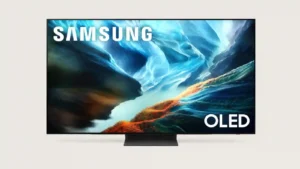
Choose the S90H for bright-room OLED viewing, deep blacks and top-tier gaming without flagship pricing. Skip it if you want Dolby Vision, a glossy screen or the simplest smart-TV software.
Pros: glare resistance, black levels
Cons: Dolby Vision support, color gamut
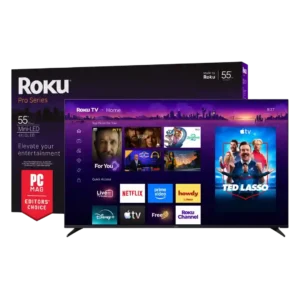
Best for bright Mini-LED picture, excellent built-in audio, easy Roku navigation, and responsive 4K/120 gaming. Skip it if you want ad-free menus, premium motion consistency, or stronger confidence in long-term...
Pros: overall satisfaction, picture quality
Cons: reliability, portability and versatility
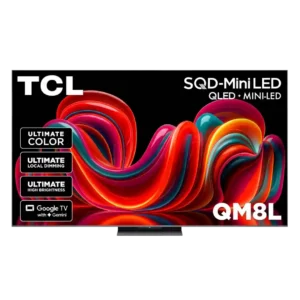
Choose the QM8L for a big, brilliantly bright TV with vivid HDR, deep mini-LED blacks, low input lag, and four HDMI 2.1 ports. Skip it if you need OLED-clean motion,...
Pros: picture quality, value for money
Cons: stand quality, judder handling
Choose the G6 for class-leading bright-room OLED picture, rich color, deep blacks and elite gaming. Skip it if you want strong built-in audio, polished launch firmware, no account sign-in, or...
Pros: picture quality, peak brightness
Cons: value for money, sound quality