Best for input lag
Samsung S90H
5.0 attribute score
Highest scored product for this attribute based on supporting review evidence.

Highest scored product for this attribute based on supporting review evidence.
Balances the attribute score, supporting reviews, and overall product strength.
Has the broadest review evidence for this attribute.
Strongest overall product among items with scored evidence for this attribute.

Input lag around the 9ms range at 4K/60Hz is repeatedly described as exceptionally responsive for gaming.
Pros: glare resistance, black levels
Cons: Dolby Vision support, color gamut

Measured input lag is consistently excellent, landing below 10ms in several tests and producing highly responsive gameplay.
Pros: overall satisfaction, picture quality
Cons: reliability, portability and versatility
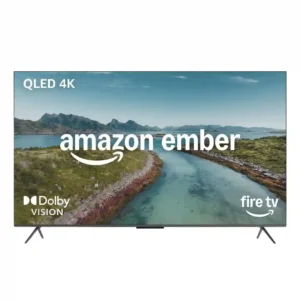
Console gaming feels responsive, with low input lag helping controls react quickly during play.
Pros: picture quality, overall satisfaction
Cons: value for money, reliability
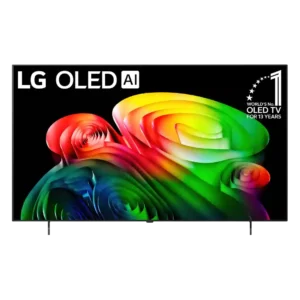
Input lag is superb, measured around 8.9ms at 4K 60Hz in boost mode, with no noticeable delay during play.
Pros: picture quality, value for money
Cons: stand quality, daytime viewing performance

Measured latency is consistently extremely low, often below one frame and dropping further at 120Hz or 165Hz.
Pros: picture quality, peak brightness
Cons: value for money, sound quality

Input lag is consistently very low, typically around one frame or less. Controls feel immediate on consoles and PCs.
Pros: picture quality, value for money
Cons: stand quality, judder handling

Measured input lag is excellent, dropping to roughly 7 ms at 4K/120Hz and making controls feel immediate.
Pros: peak brightness, picture quality
Cons: color accuracy, viewing angles
Input response is consistently fast, with measured lag around the low-10ms range at 60Hz and an even snappier feel at 120Hz.
Pros: overall satisfaction, picture quality
Cons: HDMI 2.1 port count, reflection handling
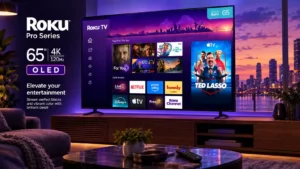
Input lag earns unusually strong praise, including record-setting 4K60 measurements in the PCMag tests. Other gaming assessments also find the TV snappy and responsive.
Pros: contrast ratio, value for money
Cons: peak brightness, HDR brightness

Game Optimizer and Boost mode deliver exceptionally low latency, with 4K/60 results around 9ms and 120Hz results near 5ms in several tests.
Pros: picture quality, gaming performance
Cons: value for money, sound quality
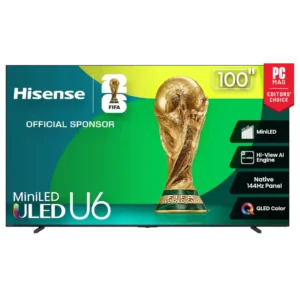
Input lag is consistently low, commonly around 13 ms at 4K/60 and lower at faster modes. Reviewers generally describe the delay as barely perceptible or comfortably within good-gaming territory.
Pros: overall satisfaction, value for money
Cons: smart TV platform, blooming control
Input lag is generally low and responsive in the proper game mode, making controller response suitable for mainstream gaming.
Pros: overall satisfaction, overall image accuracy
Cons: value for money, bass performance

Input lag is usually excellent in Game Mode, with several measurements around 10ms and many gamers reporting a responsive feel.
Pros: overall satisfaction, picture quality
Cons: reliability, build quality

Input lag is good enough for most console players, with sub-frame results at 60Hz and 120Hz, though some comparisons find Sony slower than rivals.
Pros: gaming performance, peak brightness
Cons: HDMI 2.1 support, HDMI 2.1 port count

The only direct input-lag complaint was severe, with one customer calling HDMI responsiveness awful for gaming. Buyers focused on low-latency play should be cautious.
Pros: overall satisfaction, portability and versatility
Cons: value for money, menu responsiveness