Best for contrast ratio
Samsung S90H
5.0 attribute score
Highest scored product for this attribute based on supporting review evidence.

Highest scored product for this attribute based on supporting review evidence.
Balances the attribute score, supporting reviews, and overall product strength.
Has the broadest review evidence for this attribute.
Strongest overall product among items with scored evidence for this attribute.

OLED contrast is a standout, pairing near-perfect blacks with bright highlights for a deep, dimensional image in movies and games.
Pros: glare resistance, black levels
Cons: Dolby Vision support, color gamut
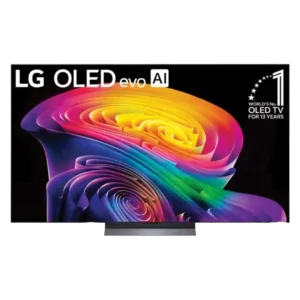
Pixel-level lighting produces superb contrast, with bright highlights standing cleanly against dark backgrounds and plenty of depth in cinematic scenes.
Pros: picture quality, gaming performance
Cons: value for money, sound quality

Perfect OLED blacks beside intense highlights create exceptional depth and punch. This remains a standout advantage in both dark and bright rooms.
Pros: picture quality, peak brightness
Cons: value for money, sound quality
Precise OLED contrast gives dark scenes depth and keeps small highlights distinct. This strength remains compelling even without high peak brightness.
Pros: contrast ratio, value for money
Cons: peak brightness, HDR brightness

Contrast is widely praised for combining bright highlights with convincing dark areas, giving movies and games strong depth without sacrificing shadow detail.
Pros: overall satisfaction, picture quality
Cons: reliability, portability and versatility
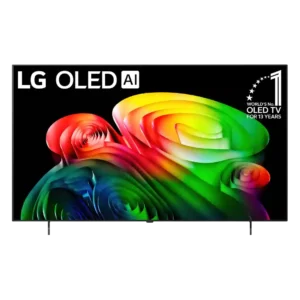
OLED contrast is a standout, with bright highlights and dark tones balancing cleanly in demanding scenes.
Pros: picture quality, value for money
Cons: stand quality, daytime viewing performance

Powerful light output and precise dimming create striking contrast, giving HDR scenes strong depth and punch without routinely washing out surrounding shadows.
Pros: picture quality, value for money
Cons: stand quality, judder handling
Contrast is excellent for an LCD, producing deep blacks and strong image depth. It still cannot equal OLED’s per-pixel contrast in every dark-room scene.
Pros: overall satisfaction, overall image accuracy
Cons: value for money, bass performance
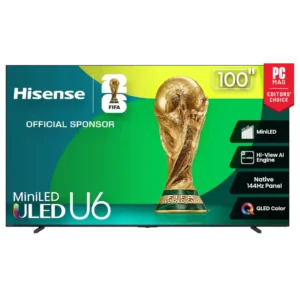
Contrast is a major strength, helped by mini-LED local dimming and bright highlights. Dark-versus-bright scenes often look punchy and dimensional for the price.
Pros: overall satisfaction, value for money
Cons: smart TV platform, blooming control
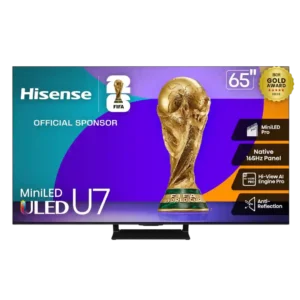
Contrast is a standout strength once local dimming is active, giving bright highlights strong separation from dark backgrounds.
Pros: overall satisfaction, picture quality
Cons: reliability, build quality
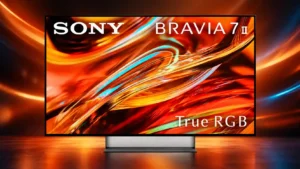
Contrast is generally strong, with bright highlights set against deep blacks, but OLED still produces cleaner absolute blacks and stronger pinpoint contrast in the toughest scenes.
Pros: overall satisfaction, picture quality
Cons: HDMI 2.1 port count, reflection handling

Contrast is excellent in favorable lighting, combining deep blacks with bright highlights, though the screen coating can reduce perceived contrast in bright rooms.
Pros: gaming performance, peak brightness
Cons: HDMI 2.1 support, HDMI 2.1 port count
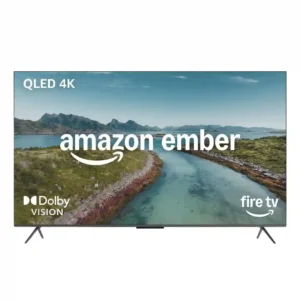
Local dimming gives the Ember useful contrast and dimensionality, and several reviews call it solid or strong. Dark-scene control still falls short of better Mini-LED or OLED displays.
Pros: picture quality, overall satisfaction
Cons: value for money, reliability
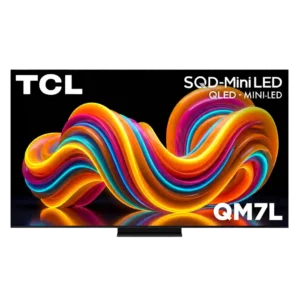
Contrast is generally strong for a midrange Mini-LED, creating punchy images and convincing depth. It still trails OLED and premium Mini-LED sets, and can look merely average in difficult scenes.
Pros: peak brightness, picture quality
Cons: color accuracy, viewing angles
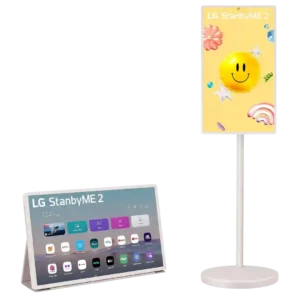
The edge-lit LCD struggles with precise contrast, especially when bright and dark areas share the frame. This is one reason reviewers do not see it as a substitute for a...
Pros: overall satisfaction, portability and versatility
Cons: value for money, menu responsiveness