Best for HDR brightness
LG C6
5.0 attribute score
Highest scored product for this attribute based on supporting review evidence.

Highest scored product for this attribute based on supporting review evidence.
Balances the attribute score, supporting reviews, and overall product strength.
Has the broadest review evidence for this attribute.
Strongest overall product among items with scored evidence for this attribute.
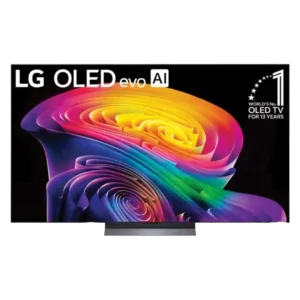
The C6 makes a clear brightness jump over the C5, creating more impactful sunlight, clouds, reflections, and specular highlights. Full-screen brightness remains more limited than small-window peaks.
Pros: picture quality, gaming performance
Cons: value for money, sound quality

HDR highlights reach extraordinary levels, producing brilliant sparks, sunlight, reflections, and explosions. The panel has enough headroom to make premium HDR content look genuinely dramatic.
Pros: picture quality, value for money
Cons: stand quality, judder handling

HDR brightness is strong enough to make highlights pop and materially improve viewing in bright rooms.
Pros: overall satisfaction, picture quality
Cons: reliability, portability and versatility
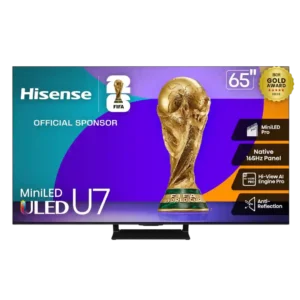
HDR brightness is one of the TV’s defining strengths, with measured peaks above 3,000 nits in several tests and very punchy highlights.
Pros: overall satisfaction, picture quality
Cons: reliability, build quality
HDR brightness is extraordinary, reaching several thousand nits while preserving impactful highlights and strong full-screen output.
Pros: overall satisfaction, overall image accuracy
Cons: value for money, bass performance

Small highlights are intensely bright and full-screen HDR output is substantially stronger than before. Some firmware versions undertracked real scenes despite excellent test-pattern results.
Pros: picture quality, peak brightness
Cons: value for money, sound quality

HDR highlights are vivid, controlled and often spectacular, but the Sony is not the brightest flagship and some modes can push highlights away from reference.
Pros: gaming performance, peak brightness
Cons: HDMI 2.1 support, HDMI 2.1 port count
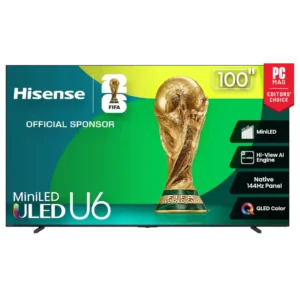
HDR brightness is broadly praised and often measured near or above 1,000 nits, giving highlights real impact. A minority view is less enthusiastic, especially for smaller sizes or when comparing...
Pros: overall satisfaction, value for money
Cons: smart TV platform, blooming control
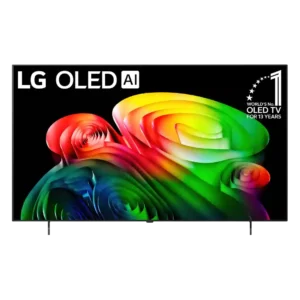
HDR brightness rises meaningfully over the B5 and reaches roughly 695–895 nits depending on mode and test method. Premium competitors remain much brighter.
Pros: picture quality, value for money
Cons: stand quality, daytime viewing performance
HDR is bright and impactful enough to make highlights pop and colors stay vivid. Measurements vary by mode and source, and several rivals can go brighter.
Pros: overall satisfaction, picture quality
Cons: HDMI 2.1 port count, reflection handling

HDR brightness is strong enough to make highlights pop and handle lit rooms well, though it trails the S95H and can vary by screen size.
Pros: glare resistance, black levels
Cons: Dolby Vision support, color gamut
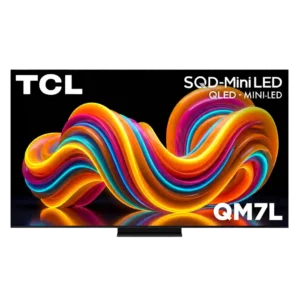
Highlights have plenty of intensity and often preserve detail rather than clipping. The QM8L is visibly brighter side by side, while the QM7L's highest output may not remain stable.
Pros: peak brightness, picture quality
Cons: color accuracy, viewing angles
HDR highlights can look striking against perfect blacks, but tested output is modest beside brighter OLED rivals. The earliest hands-on impression is much more enthusiastic than later measurements.
Pros: contrast ratio, value for money
Cons: peak brightness, HDR brightness
HDR brightness is one of the clearer limitations in lab-focused reviews. Highlights can still look good, but the TV lacks the punch and brilliance of stronger competitors.
Pros: picture quality, overall satisfaction
Cons: value for money, reliability